

 英语
 西班牙语
 阿拉伯语


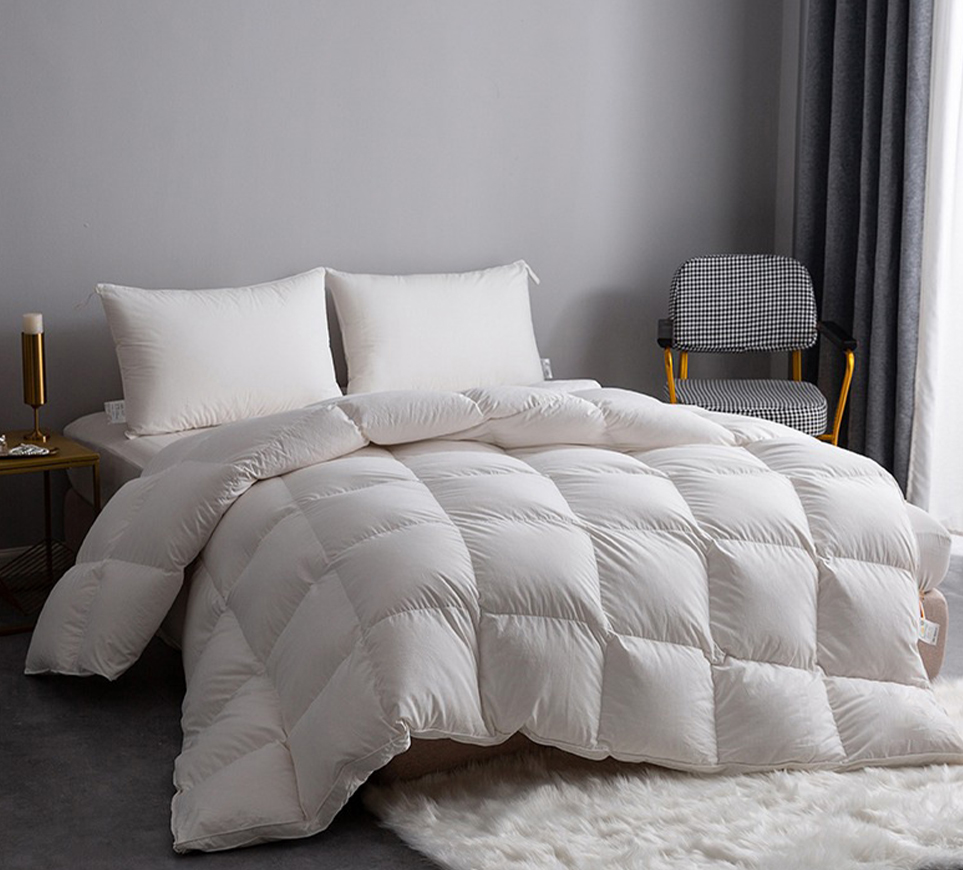



Embárcate en un viaje de descanso de calidad, Donde cada sueño está meticulosamente tejido.



Nantong Noble International Trade Co., Ltd. es una empresa integral de textiles para el hogar especializada en el diseño, la producción, el procesamiento y el empaquetado de textiles para el hogar. Con más de 18 años de experiencia en comercio internacional y fabricación de textiles para el hogar, nos comprometemos a ofrecer a nuestros clientes soluciones profesionales en textiles para el hogar. Como


La compañía integra el diseño, la producción, el procesamiento y el empaque en uno, proporcionando a los clientes soluciones de textiles para el hogar.

Con más de 18 años de experiencia en el comercio internacional y la producción de textiles en el hogar, estamos familiarizados con las demandas del mercado global.

Nuestros principales productos incluyen juegos de cama, cubiertas de cama, colchas, ropa de hotel, mantas y cubiertas de sofá, que ofrecen una amplia variedad de opciones.

Ofrecemos materiales, tamaños y colores personalizables para satisfacer las diversas necesidades de nuestros clientes.
Two duvet cover samples arrive in the same carton, both described as soft printed cotton in queen size. One comes out of the wash crisp and still square at the corners; the other pills along the closure line and shrinks nearly three centimetres across the width. The difference is almost never the description on the label. It sits in yarn count, fabric weight, shrinkage allowance, the quality of the zipper tape and whether anyone checked the cut panels against a shrinkage test before bulk production started. For a buyer, the duvet cover is the largest single fabric surface in a bedding set, the most visible printed area in a retail display, and the piece that takes the hardest handling in laundering. It deserves its own specification sheet rather than one line inside a set list. This guide walks through what to confirm before placing a duvet cover order: fabric weight, sizing tolerances, closure choices, hotel requirements, sampling, cost structure and the practical questions that separate a smooth programme from a costly rework. What a Duvet Cover Does Before You Talk About Fabric A duvet cover is a removable fabric shell. It holds a filled insert, protects that insert from skin oils, sweat and dust, and gives the bed its visible surface. Structurally it is simple: a front panel, a back panel, an opening along one edge, and usually four internal corner ties that anchor the insert so it does not slide down inside the shell overnight. That simplicity is misleading, because the cover is a two-panel construction, which means it consumes roughly twice the fabric of a flat sheet of the same width. Terminology also causes confusion in cross-border orders. North American buyers say duvet cover; UK, Australian and much of the European trade say quilt cover. Some catalogues use the two terms for the same item, while others reserve quilt cover for a lighter, decorative shell. In our own product structure, covers sit alongside comforter sets and quilted bedcover sets, and the difference matters at the point of quotation because a quilted or tufted cover carries an extra layer and a bonding or stitching operation that a plain printed cover does not. Functionally, a cover also decides how the whole bed reads. The front panel is what a customer sees in a photograph. The back panel is often a cheaper solid fabric, which is why the same print can be quoted at two very different prices depending on whether the back is matched to the front or substituted with a plain 90 gsm polyester. Neither choice is wrong, but the buyer needs to know which one is being quoted. Because a duvet cover is cut from two panels plus an opening and ties, fabric weight and print placement affect its cost far more than they affect a flat sheet. Fabric Options That Decide the Rest of the Specification Once the size is fixed, fabric decides everything downstream: hand feel, drape, print method, wash behaviour, packing volume and price. Most sourcing conversations move faster when the buyer starts from four questions. Is the market buying on price or on touch? Will the cover be washed weekly in a hotel or fortnightly at home? Does the print need to be photographic, or is a woven or stitched texture acceptable? And what climate is the product selling into? The table below sets out the constructions we most often quote, with the details that actually change a decision. Typical duvet cover fabric specifications held on file; final weight, composition and finish should always be confirmed against your own buyer's brief before bulk cutting begins. Fabric Typical spec Hand feel and drape Care reality Where it fits Polyester microfiber 90 gsm, 235 cm or 250 cm width Light, smooth, sharp print detail Low shrinkage, quick dry, prints stay bright Promotional sets, high-volume entry price points Polyester microfiber 130 gsm More body, softer fall over the mattress edge Low shrinkage, resistant to creasing Mid-tier retail and online private label Polyester, heavier base 160 gsm, 250 cm width Denser and more substantial in the hand Better resistance to pilling and deformation Rental apartments, serviced accommodation, heavy domestic use Pure cotton plain weave 12868 construction Dry, breathable, classic crispness Shrinks without allowance; softens with washing Everyday domestic programmes in warm markets Pure cotton denser weave 13372 construction Smoother surface, better print definition Needs a 3 to 5 percent shrinkage allowance Mid to upper retail, better hotel room stock Cotton sateen Hotel grade sateen weave Soft lustre, heavier drape Holds colour well when dyed to standard Hotel and hospitality specification Tencel 50s or 60s yarn count Cool, fluid, silky against skin Gentle wash cycle advised; lower heat drying Premium domestic, humid climates, gifting Milk velvet or brushed fleece Brushed pile face Warm, dense, cosy in the hand Pile needs brushing care; heavier packing volume Winter programmes and cold-climate retail Tencel deserves a separate note because it behaves differently from cotton in the sample room. A 60s tencel yarn is finer than a 50s yarn, so the fabric feels silkier and drapes more, but a very fine yarn in a light construction is less forgiving in industrial laundry. For domestic retail, that trade is usually worth making. For contract work, it is usually not. Where a buyer wants a version that sits between a plain printed shell and a decorative top of bed, our Cozy Soft Elegance Quilt Cover SetA decorative protective quilt cover set with durable, breathable fabric and secure closures, useful when comparing construction and finish.View Product → is a useful starting reference for construction and finish. Choose the fabric weight first and the print second; a heavy print on a 90 gsm base is still a 90 gsm product in the customer's hands. Where the Money Goes in a Duvet Cover Quote Two suppliers can quote the same size and the same print with a gap of fifteen percent, and the explanation is usually visible once the cost is broken down by operation rather than by product. The chart below shows an indicative split for a printed polyester duvet cover programme in the mid-weight range. Indicative cost split, printed duvet cover order Base fabric 40-45% Printing and dyeing 15-18% Cut and sew 18-20% Trims and closure 5-6% Packaging 6-8% Sampling and QC 5-7% The pattern explains most price arguments. Fabric is the largest line, so a move from 90 gsm to 160 gsm changes the total more than any negotiation over sewing. Printing is the second lever, and it scales with the number of colours, the width of the repeat and whether the mill runs a reactive process on cotton or a disperse process on polyester. Cut and sew looks small per unit but punishes small orders, because the table time to set up a cover line is the same whether the run is 300 pieces or 3,000. Trims are where buyers often save a few cents and later pay for it. A hidden nylon coil zipper with a folded tape costs more than a narrow envelope flap, but it reduces the risk of an opening that gapes after ten washes. Packaging is a real cost in covers because a queen cover with ties folds to a bulky bundle unless it is compressed or vacuum packed. Sampling and QC are small percentages of the whole and the easiest line to cut, which is precisely why it is the line most often cut by suppliers who then ship the consequences to the buyer. When a quote looks unusually low, ask which of these six blocks has been reduced. The answer is normally fabric weight, print method or inspection time, and all three appear in the customer's first wash rather than in the invoice. A price difference between two duvet cover quotes is almost always a specification difference, so compare the cost blocks rather than the totals. Reading GSM, Thread Count and Yarn Count Without Being Misled Three numbers appear on almost every duvet cover specification sheet, and each one measures something different. Understanding them separately prevents most of the confusion in sampling. GSM measures weight per square metre GSM tells you how much fabric mass sits in a square metre. In polyester bedding, 90 gsm and 130 gsm are the two workhorses, with 160 gsm used where a denser, more substantial hand is wanted. Heavier does not automatically mean better, because a dense fabric can feel stiff on a summer bed, but it does usually mean better resistance to pilling and deformation over repeated washing. A 160 gsm polyester at 250 cm width behaves noticeably differently from a 90 gsm base at 235 cm, and the difference shows up in how the cover falls over the sides of the mattress. Thread count is a density figure, not a quality guarantee Constructions such as 12868 and 13372 describe warp and weft density per inch on a woven cotton. They are useful shorthand inside the trade, but they are not the same as the inflated thread counts printed on some retail packaging, which are sometimes calculated by counting plies rather than threads. Two covers labelled 300 thread count can feel completely different if one uses finer yarn at lower density and the other uses coarser yarn packed tightly. Yarn count runs in the opposite direction For tencel and cotton, 50s and 60s refer to yarn fineness: a 60s yarn is finer than a 50s yarn. Finer yarn gives a smoother, silkier surface and better drape, but it also needs a sounder weave to hold up. A 60s tencel cover is a premium domestic product; a 50s version is more forgiving and travels better through commercial laundry. The practical rule is to pair a weight figure with a yarn figure before judging a sample. A 130 gsm polyester with a fine filament yarn feels very different from a 130 gsm polyester built on a coarser base, even though the spec sheet reads the same. GSM, thread count and yarn count answer three different questions, so read them together and never treat any single number as a quality verdict. Closures, Corner Ties and Stitching: The Details That Decide Returns Most duvet covers that come back to a retailer are not returned because of the print. They come back because the opening gapes, the zipper pull detaches, the corner ties tear out of the seam, or the cover no longer fits the insert after three washes. These are small component decisions with a large effect on return rates. Opening types Hidden zipper: the most popular option for retail because the bed looks clean and the insert stays enclosed. A nylon coil zipper in a folded tape, with the slider tucked into a small guard, is the version that survives domestic washing best. Button placket: traditional, easy to repair, but slower to sew and prone to a missing button after repeated use. Envelope flap: the cheapest option and the most common on entry-price sets. It is acceptable for lightweight inserts, but a heavy winter duvet will push the flap open. Corner ties and internal anchors Four ties of 15 to 20 cm, sewn into the seam allowance rather than surface-stitched onto the finished panel, are the minimum for a cover that will be used with a heavy insert. A tie attached with a few bartacks on the face of the fabric is a common cost shortcut and a common failure point. Seam and stitch quality Look for a consistent 10 to 12 stitches per inch on main seams, overlocked or French-finished edges inside the cover, and reinforced bartacks at the top of the opening. On printed covers, check that the seam allowance has not been trimmed so tightly that the print sits on the very edge of the join, which frays faster in washing. None of these points adds much to a unit cost, and together they account for a large share of the difference between a cover that survives twenty washes and one that survives six. Specify the closure, the tie attachment method and the seam finish in writing; these three details drive more returns than print quality does. Sizing: Confirm the Market's Dimensions Before Cutting Duvet cover sizing is not standardised across markets, and the gap between a US queen and a European 200 by 200 cm is enough to make an insert bunch at one end. Confirm the target dimensions in writing, including whether the figure refers to the finished sewn size or the flat cut size, because the two differ after washing. United States: twin, full, queen and king, with queen commonly quoted near 224 by 234 cm including a small allowance United Kingdom: single, double, king and super king, with double often specified at 200 by 200 cm Europe: 135 by 200 cm, 155 by 220 cm, 200 by 200 cm and 220 by 240 cm as the common retail set Australia and New Zealand: queen and king formats that differ from both the US and the UK Hospitality: often a house size set by the bed specification rather than a retail standard Two allowances sit behind every reliable size. The first is shrinkage: cotton plain weave can move 3 to 5 percent in length after the first industrial wash, while polyester typically stays under 2 percent. The second is sewing tolerance: plus or minus 2 cm on a finished cover is a workable commercial figure, provided the pre-shrunk cut size was calculated to land inside that band after washing. A supplier who quotes a flat cut size without stating the shrinkage allowance is handing the risk to the buyer. Print placement carries its own tolerance. On a large floral repeat, a 3 percent shift across a queen panel is visible when two covers are folded side by side on a shelf, which matters in retail even if it does not matter on a bed. Always state finished size after wash plus the shrinkage allowance; a cut size without a shrinkage figure is not a specification. Printing, Jacquard, Tufting and Quilting: Choosing the Decoration Route Decoration changes both the look and the production route, and each option carries its own constraints on repeat size, minimum order and hand feel. Digital printing Digital print suits photographic florals, gradient patterns and short-run design changes, and it is the route behind most of the printed covers in our own range at 90 gsm and 130 gsm. It handles many colours without a screen setup cost, which makes it practical for buyers testing four or five designs in one season. The limitation is that very dark, saturated grounds can feel stiffer and may show a slight difference in hand compared with a light print on the same base. Reactive printing on cotton Reactive dye bonds to cotton rather than sitting on the surface, which gives better colour retention through washing. It costs more per metre and requires longer runs to be economic, so it normally appears in cotton programmes rather than polyester ones. Jacquard Jacquard weaves the pattern into the cloth instead of printing it. The result is a textured surface that reads as more premium and does not crack or fade in the way a surface print can. Minimums are higher and design changes are slower, so jacquard suits a buyer committing to a design for a full season or more. Where a buyer wants a cover with more surface interest than a flat print, a Soft Cozy Touch Quilt Cover SetA soft-touch protective quilt cover set with breathable fabric and secure closures, offering added surface interest beyond a flat print.View Product → shows how a soft touch finish changes the perceived value without changing the base size. Tufting, quilting and ultrasonic bonding These routes add a third layer or a stitched surface. Quilting gives a classic hand and good structure but adds weight and packing volume. Ultrasonic bonding creates a quilted look without thread, which speeds production and removes the risk of thread breaks, though the bonded pattern is less reversible than a stitched one. Tufting sits at the decorative end and is best treated as a fashion item rather than a high-turnover basic. Match the decoration route to the order size and the season length, because jacquard and tufting reward commitment and punish late design changes. Hotel Duvet Covers Ask Different Questions A hotel duvet cover is not a domestic cover with a higher price. It is a product designed around commercial laundering, colour consistency across hundreds of rooms, and a bed that has to look identical on the first and the four hundredth night. The first difference is wash temperature. Hotel linen is routinely washed at 60 degrees Celsius and often with stronger chemistry than a household machine uses. That pushes the specification towards cotton sateen or a dense plain weave, or towards a polycotton blend where faster drying and lower shrinkage matter more than the feel of pure cotton. Colourfastness becomes a hard requirement rather than a preference: a rating that holds a shade across repeated washes is worth more than a slightly softer hand. The second difference is size consistency. Hotel beds are made to a house specification, and covers are ordered in the hundreds with the expectation that any cover fits any bed in that room class. That makes tolerance control more important than design variation. It also means the closure choice usually leans towards a durable hidden zipper or a generous envelope with reinforced stitching rather than decorative buttons that slow housekeeping. The third difference is appearance at scale. Stripes and embroidery must align to the same position on every cover, because two adjacent rooms with mismatched stripe placement are immediately noticeable to a guest. This is a cutting and panel matching discipline, not a fabric one. For buyers assembling a hotel package, the cover normally sits alongside a matching bed sheet set and pillowcase in the same construction, so the most efficient approach is to specify the whole room set at once and keep the fabric batch consistent. In hospitality work, colourfastness and size consistency outrank hand feel, because a room set has to stay uniform across hundreds of covers. Matching Cover Weight to Climate and Insert A duvet cover only works when it matches the insert inside it. A lightweight summer shell over a heavy winter duvet feels tight across the bed and puts strain on the corner ties; a dense brushed cover over a light insert feels baggy and slides. Buyers selling into seasonal markets usually plan two shells against one insert, which lets the same duvet serve a warm and a cool season. For cold-climate retail, brushed fabrics carry the message clearly. A velvet duvet cover set delivers warmth through pile rather than through weight alone, and the pile also changes the care story: gentler washing, lower drying heat, and more packing volume per unit. The comparison against plain woven covers is worth understanding before committing to a winter line, and the practical differences in warmth, care and durability are set out in this comparison of velvet duvet covers with other materials. Where the programme runs across both seasons, the insert range matters as much as the shell. Our winter comforter range is specified to pair with the cover sizes we cut most often, which keeps corner ties and insert dimensions aligned without a separate sampling round. Seasonal reference: velvet duvet cover comparison and the winter insert range paired with these shells. Both are useful when a buyer is building a two-season plan rather than a single shell. A velvet cover reference from our own line shows the construction in practice. Velvet Duvet Cover Set with Matching PillowsA warm suede-touch duvet cover set with matching pillows, suited to autumn and winter bedding and customizable for bulk buyers.View Product → Plan the shell and the insert together; a well-made cover on the wrong insert still produces a poor bed and a complaint. Ordering from a Duvet Cover Manufacturer: Sampling, MOQ and Lead Time The gap between a good sample and a good shipment is process, not luck. Four checkpoints prevent most problems. Confirm the specification sheet in writing, including fabric weight, composition, width, finished size, closure type, tie length, stitch density, packing method and carton markings. Ask for a pre-production sample made from the actual bulk fabric, not a stock sample from a previous run. Colour and hand can shift between dye lots. Request a wash test on the sample: shrinkage, colour retention and pilling after five cycles. This is the single most useful test for a duvet cover. Agree the inspection standard before production, including AQL level, measurement points and how print placement is judged. Minimum order quantities follow from the fabric route. Digital printing on polyester allows relatively low minimums because there is no screen setup, which suits buyers testing several designs. Jacquard, reactive printing and tufted constructions need longer runs to be economic. Lead time is driven by fabric availability first and sewing capacity second; a cover programme that needs a new print in a peak season should be booked earlier than the same programme in a quiet month. As a duvet cover manufacturer working from our own 3,000 square metre facility with an annual capacity of around three million sets, we can hold design, cutting, sewing, packing and inspection in one workflow, which shortens the loop between a sample approval and a production start. That structure also makes custom requirements such as specific sizes, colours, labels and packaging more practical, because the changes happen inside one production plan rather than across several contractors. Approve a sample made from bulk fabric and test it through five washes; a stock sample proves the factory can sew, not that the order will match. Care Labelling and the Wash Test That Protects the Programme Care instructions are part of the product, not an afterthought on the insert card. A cotton cover that carries a 40 degree recommendation and a low-heat dry instruction will behave very differently from the same cover washed at 60 and tumble dried hot, and the customer will judge the product by the second scenario if the label is vague. For polyester and polyester blends, the risks are low shrinkage and print stability, so a warm wash and line dry instruction is usually safe. For cotton, a 3 to 5 percent shrinkage allowance should be built into the cut size, with a note that the fabric softens after the first wash. For tencel, a gentle cycle and lower drying temperature protect the drape that made the fabric worth choosing. For brushed and velvet covers, the pile needs a cool wash and air drying to avoid matting. Pilling is the test most often skipped and most often noticed. A pilling rating after five washes tells a buyer more about a 90 gsm polyester than any laboratory tensile result, because pilling is what the customer actually sees on the pillow end of the cover. Colourfastness to washing and to rubbing matters for dark grounds and saturated prints, especially where the cover may be washed with lighter items. Ask for the test report with the shipment, not after the complaint. A supplier confident in the fabric will normally have the results on file already. Pilling and colourfastness results after five washes tell you more about a duvet cover than any single figure on the specification sheet. Frequently Asked Questions About Duvet Covers What is the difference between a duvet cover and a comforter? A duvet cover is a removable shell; a comforter is a filled, finished bed covering used on its own. Many buyers sell both, and the cover is the easier product to change seasonally because only the shell is replaced. Which fabric weight should I choose for a wholesale duvet cover programme? For volume retail at a competitive price, 90 gsm and 130 gsm polyester are the standard choices, with 130 gsm giving better drape for a small cost difference. For heavier domestic use or serviced accommodation, 160 gsm at 250 cm width resists pilling and deformation better. What are the standard queen size duvet cover dimensions? US queen covers are commonly quoted near 224 by 234 cm including allowance, while European sizes follow 200 by 200 cm or 220 by 240 cm and UK double is often 200 by 200 cm. Always confirm whether the figure is the cut size or the finished size after wash. Is a zipper or an envelope closure better? A hidden nylon coil zipper keeps the insert enclosed and looks cleaner on the bed, which suits retail. An envelope flap costs less and is acceptable for lightweight inserts, but a heavy winter duvet can push it open. How much shrinkage should I allow on a cotton duvet cover? Allow 3 to 5 percent on cotton plain weave and under 2 percent on polyester, measured after the first wash at the temperature stated on the care label. Can a supplier handle custom sizes, colours and packaging? Yes, provided the requirements are confirmed before bulk cutting. Custom sizes, label placement, carton markings and polybag specifications are all normal requests for an experienced duvet cover supplier, but each one needs to appear on the approved specification sheet. What is a realistic minimum order for a printed duvet cover? Digital printing on polyester supports lower minimums because there is no screen setup, while jacquard, reactive printing and tufted constructions need longer runs. Ask for the minimum per design and per colourway rather than a single overall figure. How do I compare quotes from two duvet cover wholesalers fairly? Compare fabric weight and composition, print method, closure type, tie construction, finished size with shrinkage allowance, packing and inspection standard. A single total price hides all six. Every question above resolves to the same document: a written specification that both sides have signed before the fabric is cut. A duvet cover programme rarely fails on design. It fails on the details that were never written down: a weight that was assumed rather than specified, a closure chosen for cost rather than for wash life, a cut size that ignored shrinkage, or a sample approved from stock fabric. Get those four right and the rest of the order becomes routine. Start with the size and the fabric weight, test a bulk-fabric sample through five washes, agree the closure and tie construction in writing, and keep the inspection standard attached to the purchase order. Buyers who work this way tend to reorder the same construction season after season, which is the only real measure of whether a duvet cover specification was built properly in the first place. A duvet cover specification is only complete when size, weight, closure and wash behaviour are all fixed in writing before production starts. .article-section{font-family:Arial,Helvetica,sans-serif;color:#333333;line-height:1.7;} .article-section h2{font-size:22px;font-weight:bold;text-align:left;margin-bottom:12px!important;color:#0b3d6b;} .article-section h3{font-size:16px;font-weight:bold;text-align:left;margin-bottom:12px;color:#0b3d6b;} .article-section p{font-size:16px!important;margin-bottom:12px;} .article-section ul{margin-bottom:12px;list-style-type:disc;list-style-position:inside;} .article-section ol{margin-bottom:12px;list-style-type:decimal;list-style-position:inside;padding-left:0;} .article-section li{list-style:inherit;font-size:16px;margin-bottom:6px;} .article-section table{display:table!important;width:100%;border-collapse:collapse;margin-bottom:18px;} .article-section thead{display:table-header-group!important;} .article-section tbody{display:table-row-group!important;} .article-section tr{display:table-row!important;} .article-section th{display:table-cell!important;font-weight:bold;border:1px solid #cccccc;padding:8px;} .article-section td{display:table-cell!important;border:1px solid #cccccc;padding:8px;} .article-section caption{caption-side:bottom;font-size:16px;margin-bottom:12px;font-style:italic;color:#808080;} .article-section a{color:#0b3d6b;} .article-section .link-block{background-color:#f6f9fc;border-radius:6px;padding:12px 16px;margin-bottom:15px;border:1px solid #dbe7f2;} .article-section .link-block p{font-size:16px!important;margin-bottom:6px;color:#0b3d6b;} .article-section .chart{background-color:#f6f9fc;border-radius:8px;padding:16px;margin:0 auto 18px auto;max-width:680px;} .article-section .chart-heading{font-size:15px;font-weight:bold;color:#0b3d6b;text-align:center;margin-bottom:14px;line-height:1.5;} .article-section .chart-row{display:flex;align-items:center;margin-bottom:10px;flex-wrap:nowrap;} .article-section .chart-label{width:150px;flex:0 0 150px;font-size:14px;color:#0b3d6b;line-height:1.35;padding-right:8px;} .article-section .chart-track{flex:1 1 auto;background-color:#e3edf7;border-radius:4px;height:20px;min-width:80px;} .article-section .chart-bar{height:20px;background-color:#4d84b8;border-radius:4px;} .article-section .chart-value{width:72px;flex:0 0 72px;font-size:14px;color:#0b3d6b;text-align:right;line-height:1.35;} .article-section .bar-43{width:43%;} .article-section .bar-17{width:17%;} .article-section .bar-19{width:19%;} .article-section .bar-6{width:6%;} .article-section .bar-8{width:8%;} .article-section .bar-7{width:7%;} .product-card{display:block;margin:20px 0;border:1px solid #e5e7eb;border-radius:10px;overflow:hidden;font-style:normal;background:#fff;box-shadow:0 0 5px rgba(31,41,55,.08)} .pc-inner{display:flex;text-decoration:none;color:inherit;align-items:center;min-height:148px} .product-card .pc-img{width:auto!important;min-width:0!important;max-width:min(36%,240px)!important;height:auto!important;min-height:0!important;max-height:148px!important;aspect-ratio:auto!important;object-fit:contain!important;flex:0 0 auto;display:block;align-self:center} .pc-body{padding:12px 16px;flex:1;min-width:0;display:flex;flex-direction:column;align-self:stretch;justify-content:center} .pc-title{display:block;font-size:15px;font-weight:600;color:#111;margin:0 0 6px;line-height:1.4} .pc-desc{display:-webkit-box;font-size:13px;color:#6b7280;margin:0 0 8px;line-height:1.5;overflow:hidden;-webkit-line-clamp:2;line-clamp:2;-webkit-box-orient:vertical} .pc-cta{display:block;font-size:13px;font-weight:600;color:inherit;margin-top:auto} .pc-inner:hover .pc-title{text-decoration:underline} .article-section a:not(.pc-inner),article a:not(.pc-inner){color:inherit}.pc-cta{color:inherit!important}
A carton of queen fitted sheets arrives at a warehouse in Hamburg: 24 sets per carton, 130 gsm microfiber, packed exactly to the approved sample. Six weeks later a photo comes back from the retailer. The sheet is on the bed, but all four corners have climbed halfway up a 14 inch mattress, and the buying team wants to know why the product "does not fit". It fits a 12 inch mattress perfectly. That is the whole problem, and it was decided on a spec sheet months before the first meter of fabric was cut. For buyers, importers and private label teams, a queen fitted sheet is not a flat sheet with elastic sewn on. It is a three dimensional product, and almost every complaint about it - corners popping, seams splitting, sheets that shrink out of range after the first wash - traces back to four numbers: finished size, pocket depth, elastic specification and shrinkage allowance. This guide walks through those numbers the way a factory actually uses them, from pattern room to pre shipment inspection, and explains where the hidden costs sit when a quote looks 25 percent cheaper than the next one. We build queen fitted sheets in polyester microfiber, pure cotton and tencel at our own facility in Nantong, and the points below are the ones that come up in almost every buyer conversation before a first order. A fitted sheet is a three dimensional product. Buyers who specify it like a flat sheet get flat sheet results, and the returns arrive one wash cycle later. Why Queen Fitted Sheet Fit Fails Before the First Cut When a corner lifts, the instinct is to blame the elastic. In practice, elastic is usually the last link in a chain that starts with the mattress height the buyer never wrote down. Four specification gaps cause most of the trouble we see in claims data and sample rejections. Pocket depth measured on the flat pattern. A pattern marked 40 cm depth does not produce a 40 cm corner once the seam allowance, elastic take up and hem fold are absorbed. The sewn depth is always shorter than the drawn depth. Shrinkage treated as a laundry issue instead of a cutting allowance. Untreated cotton can lose several percent in the warp and weft after three domestic washes. If that percentage is not added at the cutting table, the pocket shortens after the first wash, not before. Elastic specified by meters per sheet only. "Four meters of elastic" says nothing about width, elongation ratio, attachment tension or whether the elastic is sewn in flat or stretched. Two factories can both use four meters and deliver completely different hold. "Queen" used as a size instead of a name. Queen means one footprint in the United States and a different one in continental Europe. A purchase order that says queen without centimeters is an instruction to guess. A worked example shows how quickly the numbers move. Take a 35 cm mattress with a 5 cm topper, which is a very ordinary combination in the United States, Canada and Australia. Total height is 40 cm. Add 2 cm for hem fold, elastic channel and seam take up, then add a 2.5 percent shrinkage allowance on the depth, which is about 1 cm. The cut depth is 43 cm, not 40 cm. Round it to 43 cm, then approve a washed sample before bulk. Skipping this step saves nothing at the pattern stage and costs a full container of claims later. Over sizing is a real cost too, and it is the mistake buyers make after their first bad shipment. An extra 4 cm of depth on a queen fitted sheet is roughly 0.2 square meters of extra fabric per piece, plus a looser fit that wrinkles in the middle and looks cheap on a made bed. Deep pocket queen fitted sheets should be a separate SKU with its own pattern, not a single generous pattern stretched across every mattress height in the range. Write the mattress height, the topper thickness and the required sewn pocket depth into the purchase order. If those three numbers are missing, the fit problem has already been ordered. Queen Size Is Not One Size: Market Dimensions That Change the Pattern The word queen sells product. It does not cut fabric. Before a pattern is graded, the buyer and the factory need to agree on a finished measurement in centimeters, the pocket depth at the corner, the tolerance on both, and the size of the pillowcase that ships with the set. The table below shows why the same word produces four different patterns. Queen is a marketing term in most markets. The pattern room works only in centimeters, so confirm the mattress footprint and finished pocket depth in writing before sampling. Market What buyers call it Typical mattress footprint Points to confirm before cutting United States and Canada Queen 60 x 80 in (152 x 203 cm) Pocket depth of 12 to 18 in; separate standard and deep pocket SKUs; pillowcase 20 x 30 in Australia and New Zealand Queen 60 x 80 in (153 x 203 cm) Same footprint as the US queen, but 40 cm depth is common and box springs are thicker Continental Europe Queen (in retail listings) 160 x 200 cm Corner radius, 30 to 35 cm depth, local language labels, fitted sheet often sold without a flat sheet United Kingdom and Ireland Not a standard name; double or king 135 x 190 cm double, 150 x 200 cm king Mattress depth often 25 to 30 cm; confirm whether the buyer means double in the UK sense Japan and parts of Asia Queen 160 x 200 cm Shorter mattress length than the US in some ranges; check 195 to 200 cm before grading Two practical rules come out of this table. First, ask for the mattress dimensions in centimeters even when the buyer works in inches, because a conversion error of half an inch at the pattern stage becomes a visible fit error at retail. Second, set a tolerance and hold both sides to it. A finished width tolerance of plus or minus 2 cm on a sewn queen fitted sheet is common in the trade; anything tighter needs tighter fabric control and a higher price. There is also the question of what ships with the sheet. A queen fitted sheet may be sold alone as an open stock item for replacements, as part of a four piece set with flat sheet and two pillowcases, or as part of a fitted sheet set with two pillowcases only. Each configuration changes the carton ratio, the size label and the packaging cost, and each one has a different ideal buyer. Hotels and rental operators usually buy fitted sheets alone because flat sheets are replaced on a different cycle. Retail buyers usually want the set. Convert every size discussion into centimeters, pocket depth and tolerance before sampling. The word queen should never appear alone on a purchase order. Pocket Depth, Elastic and Corner Construction Once the footprint is fixed, the corner becomes the whole product. It is where fit, fabric consumption and durability meet, and it is where cheap construction shows up first. Working out the sewn pocket depth The formula we use in sampling is simple: cut depth equals mattress height plus topper thickness plus 2 to 3 cm for seam and hem take up, then plus the shrinkage allowance for the fabric in question. Polyester microfiber needs very little, often under 2 percent. Untreated cotton needs more, typically in the 3 to 5 percent range depending on the yarn and the finishing route. Tencel sits in between. The allowance should be calculated on the depth, not on the width, because the depth is the dimension that has to reach around the corner. There is a second number buyers often forget: the corner radius. A mattress corner is never a sharp 90 degrees. If the pattern cuts a square corner and the seam is pulled tight, the fabric tents and the elastic fights the mattress instead of holding it. Rounding the corner by 3 to 5 cm, depending on the mattress, distributes the tension and reduces the pulling that leads to popped corners at the head end. Elastic options and what they actually hold Elastic is priced by meters, but it is judged by how it holds on a 35 cm mattress after twenty washes. Ask for the construction drawing, not just the meterage. Construction How it holds Elastic used on a queen sheet Best for Watch out for All around elastic Continuous tension along the full hem About 4.5 to 5.5 m, stretched during sewing Retail programs, deep mattresses, adjustable beds Uneven sewing tension shows as pulled corners and wavy hems Corner only elastic Four separate elastic pieces at the corners About 1.6 to 2.4 m Entry price points, thin mattresses Lifts on mattresses above roughly 14 in, especially with a topper Corner plus anchor band Corner pieces plus a band at head and foot About 2.4 to 3.2 m Hotel, rental, hospitality and serviced apartments Slightly higher labor cost and a heavier hem feel Elastic width matters as much as length. A 0.5 cm narrow elastic rolls and digs into the fabric, and it loses recovery faster. A 1.0 cm to 1.2 cm woven or knitted elastic spreads the load, holds the hem flat and survives industrial laundry far better. For hotel and rental programs, specify the elastic supplier and the elongation ratio, then test a washed sample by hand: stretch it to the mattress depth and release it five times, and see whether it returns to its original length. The corner seam itself deserves its own line on the spec sheet. A four thread or five thread overlock with a bartack at the elastic junction is standard for retail quality. Single needle stitching without a bartack survives the sample and fails in the field, usually at the point where the elastic meets the corner seam. The chart below is the starting point we use when a buyer has a range of mattress heights and wants to know how many pocket depth SKUs are actually needed. These are sampling starting points, not a finished specification, and every one of them still needs a washed sample and a mattress trial before approval. Starting pocket depth by mattress height (queen fitted sheet, before shrinkage allowance) Mattress 8-10 in 12 in pocket Mattress 10-12 in 14 in pocket Mattress 12-14 in 16 in pocket Mattress 14-18 in 18 in pocket Mattress 18 in and above 21 in pocket Read the chart as a sourcing map rather than a rule book. Most buyers who sell into the United States and Australia can cover the market with two pocket depths, one at 14 to 16 inches and one at 18 inches, plus a separate deep pocket queen fitted sheet for mattress and topper combinations above 18 inches. Carrying three depths instead of five keeps the pattern, label and carton range manageable while still covering the returns risk. Depth also drives fabric consumption directly, and that is where a quote can look attractive without being comparable. Going from a 14 inch to a 20 inch pocket on the same queen footprint adds roughly 15 to 20 percent more fabric per piece. A supplier quoting a deep pocket price against a standard pocket specification is not necessarily cheaper; the specification has simply changed underneath the price. Finally, connect the corner to the fabric. A lightweight 90 gsm microfiber in a 20 inch pocket will hold its shape less confidently than a 160 gsm fabric in the same pocket, because the elastic has less body to work against. When a buyer asks us for deep pockets at an entry price, we usually suggest dropping to a shallower depth range rather than dropping the fabric weight, because the second choice shows up in every wash complaint. Pure Cotton Bed Sheet Set with Deep-Pocket Fitted SheetIncludes a pure cotton fitted sheet with deep pockets and sturdy elastic, relevant when comparing wash durability and fit at this point.View Product → Specify pocket depth as a sewn measurement after wash testing, pair it with 1.0 cm elastic and a bartacked corner, and the majority of fit claims disappear. Fabric Choices for Queen Fitted Sheets: Polyester, Cotton and Tencel Fabric selection for a fitted sheet is not the same decision as fabric selection for a duvet cover. A fitted sheet is stretched, washed more often, and sits directly against the mattress where friction is highest. The right question is not "which fabric feels best" but "which fabric still fits after thirty washes at the price point the buyer can sell". Weights and densities are trade descriptions rather than a finished goods specification. Approve a washed sample against the numbers the buyer has signed, because the same description can behave differently across mills. Fabric and build Typical weight or density Handfeel Shrinkage after repeated washing Good fit for Polyester microfiber, light 90 gsm Light, smooth, cool to the touch Low, generally under 2 percent Promotional sets, warm climates, opening price points Polyester microfiber, mid 130 gsm Soft with a slight brushed surface Low, generally under 2 percent Mainstream retail and printed programs Polyester microfiber, heavy 160 gsm Dense, more body, less see through Low, generally under 2 percent Deep pockets, longer replacement cycles, private label core lines Pure cotton, plain weave 128 x 68 density Crisp, breathable, traditional Higher if untreated, often 3 to 5 percent Value cotton programs and hotel back up stock Pure cotton, denser weave 133 x 72 density Smoother, better cover, softer after wash Moderate, often 2 to 4 percent with pre shrinking Mid and upper retail cotton lines Tencel Ne 50s yarn Silky, fluid drape, cool Moderate, roughly 3 to 4 percent without care Premium retail and gift sets Tencel Ne 60s yarn Finer, cooler, more lustrous surface Moderate, roughly 3 to 4 percent without care High end retail and upgraded hotel suites Polycotton blend 40s blend, poly cotton ratio confirmed per order Crisp, holds shape, dries fast Low to moderate Hotel, rental and industrial laundry programs Polyester microfiber is the workhorse of the category, and the weight choice matters more than most buyers expect. A 90 gsm sheet is economical and packs small, which suits promotional programs and warm markets, but it is thin enough that a deep pocket shows the strain at the corner. A 130 gsm fabric is the mainstream compromise and the volume seller for printed programs. A 160 gsm fabric carries noticeably more body, holds a deep pocket better and reads as a heavier, more expensive product on the shelf, which is why it is our default recommendation for any buyer whose range includes 18 inch and 20 inch pockets. Pure cotton remains the reference point for breathability and the feel most consumers associate with quality bedding. Density codes such as 128 x 68 and 133 x 72 describe the warp and weft yarn count in the weave and tell a buyer more about cover and durability than an inflated thread count number. The trade off is shrinkage. Cotton moves after washing unless it is pre shrunk, and pre shrinking costs money at the finishing stage. Buyers who skip the allowance and skip the finishing step usually meet their margin target on the first order and lose it on the second. Tencel, sold in 50s and 60s yarn counts, is the premium option for buyers whose customers care about drape and coolness. It is softer and more fluid than cotton in the same pocket depth, which is visually attractive on a made bed, but it needs care guidance on the label and a realistic shrinkage allowance in the pattern. We usually recommend tencel for the top of a range rather than for a high volume core line, because the fabric cost per set is harder to absorb at promotional price points. Polycotton blends are the practical answer for hotel and rental buyers. They hold their shape, dry quickly and survive industrial washing better than untreated cotton, and the crisp finish photographs well for hospitality listings. The blend ratio should be written into the specification, because 50/50 and 60/40 behave differently in both shrinkage and handfeel. 160gsm 250cm Polyester Bed Sheet SetA thick 160 gsm polyester set at 250 cm width, positioned for buyers comparing durable, crisp bedding specifications against hotel and rental needs.View Product → 60S Tencel Bed Sheet Set for Sensitive SleepersA 60S Tencel set with fine, breathable fabric and natural antibacterial performance, useful when comparing premium bedding specifications alongside hotel and rental options.View Product → Choose the fabric weight after you fix the pocket depth, not before. A deep pocket on a very light fabric is where fit complaints are born. Shrinkage, Color Fastness and Pilling: Numbers to Put in the Spec Sheet Most quality arguments in bedding are not really arguments about quality. They are arguments about a missing number. A buyer says the sheet "shrank too much"; the factory says the sheet "met the standard". Both can be true if no standard was written down. The first number is shrinkage. The test method should be named on the spec sheet, for example a domestic wash test at 40 degrees Celsius repeated three times, measured in both warp and weft after line drying. Polyester microfiber typically stays within 2 percent, untreated cotton often moves 3 to 5 percent, and tencel generally lands in between. Whatever the fabric, the allowance must be added to the cut depth and cut width, not to the finished measurement after the fact. A simple way to check a sample room is to ask for the measured size before wash and after wash on the same piece. If the supplier cannot produce those two numbers, the shrinkage claim is unverified. The second number is color fastness. For a queen fitted sheet that will be washed weekly, three parameters matter: fastness to washing, fastness to rubbing in both dry and wet conditions, and fastness to light for the retail display. A typical retail requirement is grade 4 or above on washing and light, with rubbing at grade 3 to 4 acceptable for darker shades. Dark navy, deep charcoal and saturated prints are the shades that fail first, so approve those in production color rather than in a lab dip. The third number is pilling. Brushed microfiber and low density cotton both pill where the body rubs against the sheet, which is the fitted sheet more than any other item in the set. A pilling grade of 3 to 4 after the standard test is a reasonable retail floor, and heavier fabric weights help. Buyers comparing 90 gsm and 160 gsm polyester at the same price should assume the lighter fabric will show surface change sooner, especially in a deep pocket where the fabric is under continuous tension. There is also the question of how the fabric behaves at the seam. A fabric that shrinks unevenly in warp and weft will pull the corner seam out of alignment even if the overall dimensions pass. That is why we test a sewn sample rather than a flat swatch, and why the approval form should carry both the flat measurements and the post wash measurements. Name the test method and the tolerance on the spec sheet. A shrinkage or pilling complaint without a stated standard costs more to argue about than to prevent. Stitching and Seam Quality: A Corner Level Checklist Fitted sheet construction is judged at the hem and at the corner, because those are the two places that take load. The rest of the sheet can look flawless on a table and still fail on a mattress. The checklist below is the one we run on the line and again at pre shipment inspection. Elastic casing width. A folded casing of 1.2 to 1.5 cm keeps the elastic flat and prevents rolling inside the hem. Stitch density. Around 10 to 12 stitches per inch on the overlock, consistent across the corner curve and the straight hem. Bartack at each corner. Two or three passes where the elastic meets the corner seam, because this is the single highest stress point on the product. Thread tension and skipped stitches. Check both sides of the seam under light, not just the top side on the machine. Needle damage. Microfiber shows needle cuts and grin through marks clearly; the needle size should match the fabric weight, and the needle should be changed on schedule. Raw edge coverage. The overlock should fully enclose the raw edge at the corner gusset, where three edges meet and the machine tension is hardest to control. Thread color match. Matching to the ground shade for solids and to the dominant shade for prints, confirmed under daylight rather than factory lighting. Size label placement. Inside the back corner, sewn into the seam, positioned so it does not scratch and does not show through the fabric on light shades. Oil stains and handling marks. A final inspection point on every piece, because a clean sheet with a machine oil mark is a second quality item. The corner gusset is where most sewing defects concentrate, and it is also where cheap labor shows up first. When a factory speeds up the corner operation, the first thing to go is the bartack, and the second is the tension consistency on the elastic. Both are invisible in a folded polybag and both fail within the first month of use. If a buyer cannot visit the line, ask for a short video of the corner operation on the actual production floor, and ask for the stitch density in writing. Hem width also affects perceived quality. A narrow 1 cm hem on a deep pocket looks thin and curls after washing, while a 1.5 to 2 cm hem holds its shape and photographs better. The cost difference per piece is small, but it changes the way the product reads on a bed, which is what the end customer sees before they see the price. Ask for the bartack and the stitch density in writing. Those two details separate a fitted sheet that survives a year from one that survives a quarter. Sampling and Approval: The Steps That Prevent Bulk Claims Sampling is not a formality before the order. It is the point where the specification becomes enforceable, and it is the cheapest place to discover that the buyer and the factory were describing different products. A workable approval sequence has five stages. First, a size set sample in the full range the buyer intends to sell, so that a queen fitted sheet is checked next to the full, king and california king patterns rather than in isolation. Second, a wash tested sample from the same fabric lot, measured before and after, with the numbers written on the approval form. Third, a labeling and packaging sample that shows the size label, care label, insert card and polybag exactly as they will ship. Fourth, a pre production sample that confirms the approved corrections were actually applied. Fifth, a pre shipment inspection on the finished cartons, using an agreed sampling plan, with major and minor defects defined in advance. The approval form is the document that matters most, and it should be short enough that someone actually reads it. A useful form carries the finished measurements in centimeters, the sewn pocket depth, the fabric weight, the elastic width and length, the stitch density, the label artwork reference and the packaging reference. Each item gets a tolerance. Anything not on the form cannot become a claim. Timelines are usually the reason buyers skip these steps. In practice, a custom sample takes roughly one to two weeks depending on fabric availability and printing, and bulk production runs on a different clock, often in the range of 25 to 40 days for a container scale order. Cutting the sampling stage to save a week is a poor trade against the cost of reworking or sorting a shipment of several thousand sets. Approve a washed sample with numbers on it, not a photograph. A photo records color; a measurement form records fit. Packaging, Labels and Shipping for Wholesale Queen Fitted Sheets Packaging is where a good fitted sheet either arrives looking like a retail product or arrives looking like a factory bundle. For wholesale and private label buyers, the decisions are usually about how the set is presented, what the label must legally carry, and how many units fit in a carton without crushing the elastic. Common presentation options include a simple polybag with an insert card, a zippered PVC or PE bag with a fabric handle, a belly band around a folded set, and a printed carton for higher price points. The choice affects cost and cubage more than most buyers expect. A hanging bag adds volume and freight, while a compact vacuum assisted fold reduces carton size but can leave fold lines that are slow to recover. For fitted sheets specifically, avoid compressing the elastic hem under heavy weight for long periods, because the recovery loss shows up as a loose corner after the first wash. Labels need to match the destination market. Fiber content, care instructions, size designation, country of origin and the importer or responsible party are the usual minimum fields, and the language requirement differs by country. The care instructions should be consistent with the actual fabric: a tencel fitted sheet labelled for high temperature tumble drying will generate complaints even when the fabric itself is sound. The size label should match the market convention the buyer sells into, because "queen" printed on a sheet cut to a 160 x 200 cm pattern will confuse the end customer who measured their mattress first. Carton configuration is a commercial decision as much as a packing one. A carton of 20 to 30 sets is common for retail packing, with the exact number driven by fabric weight and presentation style. For a 40 foot high cube container, the loadable quantity is usually in the range of several thousand sets depending on the pack, and the shipping mark should carry the size breakdown so that the receiving warehouse does not have to open every carton to find the queen fitted sheets. Mix size cartons reduce freight cost per unit but complicate picking; single size cartons simplify handling but limit flexibility on small orders. Finally, protect the elastic at the bottom of the carton. A corrugated sheet or a polybag layer at the base prevents the compression that quietly damages the hem before the product ever reaches a bed. Match the label, the care instruction and the size name to the market the sheet is sold in. A correct product with the wrong label still becomes a return. Choosing a Queen Fitted Sheet Manufacturer, Supplier or Wholesaler Most buyers start with a price list and end up with a set of questions they wish they had asked first. A supplier that can cut, sew, print and pack under one roof controls more of the variables that affect fit, and it can usually answer a sampling question in days rather than weeks. Our own facility covers roughly 3,000 square meters with a team of more than 50 people and an annual capacity in the region of three million sets, which is the scale where a buyer can move from a trial order to a repeat program without changing the pattern source. The questions below separate a real manufacturer from a trading intermediary quickly, and they apply whether the buyer is sourcing a plain white hotel spec or a printed retail program. Where is the fitted sheet cut and sewn, and can we see the corner operation on video or in person? What is the sewn pocket depth after wash testing, and what tolerance do you hold on width and length? Which fabrics do you hold in stock, and which are made to order for a specific weight or density? What is the minimum order quantity per design, per color and per size, and does printing change it? What are the sample and bulk lead times at the quantity we are discussing, and what is the peak season cut off? Can you provide wash test, color fastness and pilling reports for the exact fabric we approve? How do you handle a claim: rework, credit, replacement in the next shipment, or third party sorting? Who owns the pattern and the print artwork, and how is exclusivity handled for our market? When requesting a quotation, give the supplier enough to quote the same product twice. A useful request includes the mattress footprint in centimeters, the finished pocket depth, the fabric and weight, the elastic construction, the set configuration, the packaging style, the label requirement, the quantity per size and per color, and the destination port. Buyers who send a reference photo plus those numbers usually get an accurate price in one round instead of four. For buyers who want to see the fabric and construction range before narrowing the specification, the pages below are a practical next step, and they show how the same fitted sheet construction scales across different materials and price positions. Related pages on this site Fitted sheet set range: polyester, pure cotton, tencel and digital print programs Why 160 gsm polyester bed sheet sets resist deformation and pilling Ask for sewn measurements after wash, not fabric quality adjectives. A manufacturer that answers with numbers is a manufacturer that controls its process. Cost Drivers: Why Two Queen Fitted Sheet Quotes Differ by 30 Percent When two quotes for the same queen fitted sheet land 30 percent apart, the difference is almost never negotiation room. It is usually four specification choices that were never compared line by line. Fabric weight. Moving from 90 gsm to 160 gsm polyester increases material cost per set meaningfully, and it changes the carton weight and freight calculation as well. Pocket depth. Every extra inch of depth adds fabric around the perimeter. A deep pocket queen fitted sheet and a standard pocket sheet are different products with different costs, even when the size label is identical. Elastic specification. All around elastic uses roughly twice the elastic of a corner only construction, plus more sewing time and more tension control on the line. Packaging and labeling. A printed insert card, a zippered bag, a hanging header and a woven label all add cost, and they also add cubage, which shows up again in the freight line. Order structure. Small quantities per color, many sizes per carton and late specification changes raise the effective unit cost even when the quoted unit price looks competitive. The practical way to compare offers is a specification matched quotation: the same fabric weight, the same sewn pocket depth, the same elastic construction, the same packaging and the same tolerance. Once those are fixed, a price difference is a real difference in cost structure. Before they are fixed, a price comparison is a comparison of two different products that happen to share a name. It also helps to ask what happens at the edges of the order. What is the surcharge for an extra color, what is the cost of a size set sample, and what is the minimum for a custom print repeat? Those line items usually reveal more about a supplier's flexibility than the headline unit price. Compare queen fitted sheet quotes on a matched specification sheet. A cheaper quote is only cheaper if the pocket depth, fabric weight and elastic are the same. Frequently Asked Questions About Queen Fitted Sheets What is the standard size of a queen fitted sheet? In the United States, Canada, Australia and New Zealand, a queen mattress is typically 60 by 80 inches, or roughly 152 by 203 centimeters. The fitted sheet itself is cut larger than the mattress to wrap around the sides and tuck under, so the finished sewn size includes the pocket depth. In continental Europe and Japan, the term queen is often used for a 160 by 200 centimeter mattress. Always confirm the mattress footprint and the pocket depth in centimeters before approving a pattern. What pocket depth should a queen fitted sheet have? Measure the mattress height, add the thickness of any topper, then add 2 to 3 centimeters for seam and hem take up, followed by the shrinkage allowance for the fabric. A 35 centimeter mattress with a 5 centimeter topper usually needs a sewn depth of at least 42 centimeters. A deep pocket queen fitted sheet for mattresses above 18 inches is normally cut with a 20 to 21 inch depth, before shrinkage allowance. How much shrinkage should I allow for cotton queen fitted sheets? Untreated cotton often shrinks in the range of 3 to 5 percent after repeated domestic washing, while pre shrunk cotton may hold within 2 to 4 percent depending on the finishing route. Polyester microfiber is usually under 2 percent, and tencel typically sits in between. The allowance belongs in the cutting pattern, and the number should be confirmed by measuring the same sample before and after the agreed wash test. What is the difference between a queen fitted sheet and a queen flat sheet? A flat sheet is a two dimensional panel sized to drape over the sides and tuck under the foot of the bed. A fitted sheet is a three dimensional product with sewn corners, a pocket depth and elastic at the hem. On the same queen bed, the flat sheet might be 90 by 102 inches while the fitted sheet is built to the 60 by 80 inch mattress footprint with the pocket depth added. Which fabric is better for hotel and rental use? Polycotton blends and heavier pure cotton are the common choices for hotel and rental programs because they hold their shape and tolerate frequent industrial washing. Polyester microfiber at 160 gsm is also used where drying time and replacement cost matter more than the cotton handfeel. Whichever fabric is chosen, the elastic construction and the corner bartack usually determine how long the fitted sheet stays in service. What minimum order quantity do queen fitted sheet manufacturers usually ask for? Minimums vary by fabric, printing method and packaging. Solid color programs often start lower than printed programs, and custom print repeats usually carry the highest minimum because of the setup cost. The practical question is not only the minimum per order but the minimum per color and per size, since a single order split across five colors can be harder to schedule than a larger single color run. How can I check elastic quality before placing a bulk order? Ask for the elastic width, the elongation ratio and the attachment method in writing, then test the approved sample by stretching it to the intended mattress depth and releasing it several times. A sound elastic returns close to its original length. Also wash the sample at the temperature on the planned care label and check whether the hem still sits flat and whether the corner still holds. Can I order custom sizes, pocket depths and printing for queen fitted sheets? Yes, and it is a normal part of the sampling process rather than an exception. Custom work usually requires the mattress footprint in centimeters, the finished pocket depth, the fabric and weight, the elastic specification, the label artwork and a reference image for the print. Buyers should expect a size set sample and a washed sample before bulk production begins. How many queen fitted sheets fit in a 40 foot high cube container? The loadable quantity depends on fabric weight, pocket depth and packaging style, and it typically runs in the range of several thousand sets for a 40 foot high cube. A compact polybag pack loads more units than a hanging bag or a boxed set. Ask the supplier for the carton dimensions, the sets per carton and the loading plan rather than estimating from the unit price, because the freight per set can change the landed cost significantly. Almost every FAQ above comes back to the same three numbers: mattress footprint, sewn pocket depth and shrinkage allowance. Specify It Once, Sell It for Years The fitted sheet is the least glamorous item in a bedding range and the one most likely to generate a complaint. It is stretched every night, washed more often than the duvet cover and judged entirely by whether the corners stay down. That makes it a specification product rather than a design product, and specification products reward buyers who write things down. The pattern that works is not complicated. Fix the mattress footprint in centimeters, set a sewn pocket depth with a shrinkage allowance built in, choose the fabric weight after the depth rather than before, specify 1.0 cm elastic with a bartacked corner, and approve a washed sample with the measurements written on the form. Add a label that matches the destination market and a carton that does not crush the hem, and the product is ready to repeat. Buyers who follow that sequence tend to reorder the same pattern for several seasons with only color and print changes, which is the cheapest possible way to build a bedding range. Buyers who skip it get a container of sheets that fit a mattress nobody owns, and a second order that has to start again from the pattern room. A queen fitted sheet that fits is a specification achievement, not a fabric achievement. Get the numbers right once and the range repeats itself. .article-section{font-size:16px;color:#1f2933;line-height:1.75;} .article-section h2{font-size:22px;font-weight:bold;text-align:left;margin-bottom:12px!important;color:#0b3d6b;} .article-section h3{font-size:16px;font-weight:bold;text-align:left;margin-bottom:12px;color:#0b3d6b;} .article-section p{font-size:16px!important;margin-bottom:12px;} .article-section ul{margin-bottom:12px;list-style-type:disc;list-style-position:inside;} .article-section ol{margin-bottom:12px;list-style-type:decimal;list-style-position:inside;padding-left:0;} .article-section li{list-style:inherit;font-size:16px;margin-bottom:6px;} .article-section table{display: table!important;width:100%;border-collapse:collapse;margin-bottom:16px;} .article-section thead{display: table-header-group!important;} .article-section tbody{display: table-row-group!important;} .article-section tr{display: table-row!important;} .article-section th{display: table-cell!important;font-weight:bold;border:1px solid #cccccc;padding:8px;} .article-section td{display: table-cell!important;border:1px solid #cccccc;padding:8px;} .article-section caption{caption-side:bottom;font-size:16px;margin-bottom:12px;font-style:italic;color:#808080;} .article-section .chart-block{max-width:640px;margin:0 auto 24px;padding:20px;border:1px solid #dbe6f1;border-radius:10px;background-color:#f7fafd;} .article-section .chart-title{font-size:16px;font-weight:bold;color:#0b3d6b;text-align:center;margin-bottom:18px;} .article-section .chart-row{display:flex;align-items:center;margin-bottom:10px;} .article-section .chart-name{flex:0 0 150px;font-size:14px;color:#0b3d6b;padding-right:8px;} .article-section .chart-track{flex:1;height:18px;background-color:#e3ecf5;border-radius:6px;overflow:hidden;} .article-section .chart-bar{height:18px;background-color:#4d84b8;border-radius:6px;} .article-section .chart-val{flex:0 0 82px;font-size:14px;color:#0b3d6b;text-align:right;} .article-section .link-module{max-width:640px;margin:0 auto 20px;padding:16px 18px;border:1px solid #dbe6f1;border-radius:10px;background-color:#f7fafd;} .article-section .link-module-title{font-size:15px;font-weight:bold;color:#0b3d6b;margin-bottom:10px;} .article-section .link-module a{color:#0b3d6b;text-decoration:none;border-bottom:1px solid #4d84b8;} .article-section a[data-product-card]{display:block;min-height:56px;margin:0 0 18px;padding:0;border:1px solid #dbe6f1;border-radius:10px;background-color:#f7fafd;} .product-card{display:block;margin:20px 0;border:1px solid #e5e7eb;border-radius:10px;overflow:hidden;font-style:normal;background:#fff;box-shadow:0 0 5px rgba(31,41,55,.08)} .pc-inner{display:flex;text-decoration:none;color:inherit;align-items:center;min-height:148px} .product-card .pc-img{width:auto!important;min-width:0!important;max-width:min(36%,240px)!important;height:auto!important;min-height:0!important;max-height:148px!important;aspect-ratio:auto!important;object-fit:contain!important;flex:0 0 auto;display:block;align-self:center} .pc-body{padding:12px 16px;flex:1;min-width:0;display:flex;flex-direction:column;align-self:stretch;justify-content:center} .pc-title{display:block;font-size:15px;font-weight:600;color:#111;margin:0 0 6px;line-height:1.4} .pc-desc{display:-webkit-box;font-size:13px;color:#6b7280;margin:0 0 8px;line-height:1.5;overflow:hidden;-webkit-line-clamp:2;line-clamp:2;-webkit-box-orient:vertical} .pc-cta{display:block;font-size:13px;font-weight:600;color:inherit;margin-top:auto} .pc-inner:hover .pc-title{text-decoration:underline} .article-section a:not(.pc-inner),article a:not(.pc-inner){color:inherit}.pc-cta{color:inherit!important}
Twin duvet covers look simple on a purchase order, but they are one of the easiest bedding items to get wrong. A buyer often starts with a target price, a reference photo and a rough size, then discovers after sampling that the duvet cover fits the insert poorly, the fabric feels different after washing, or the packaging does not match the retail channel. The first decision should be the size standard your market actually uses, followed by fabric route, construction details, packing and order planning. This guide is written for importers, retail product teams, hospitality buyers and wholesale distributors who are comparing twin duvet covers from a manufacturer or supplier. It covers the size differences between US Twin, UK Single, EU Single and Australian Single, the fabric choices that suit different price bands, the construction details that affect returns, and the commercial points that matter when you move from samples to bulk production. At Nantong Noble International Trade Co., Ltd., our product range includes quilt cover sets, bed sheet sets, comforters, bedcovers and hotel linen, so the examples below reflect the kind of specifications that come up in real sourcing conversations. Key takeaway: lock the market size, insert dimensions and post-wash tolerance before you discuss unit price. Twin Duvet Covers: Start With the Size Map, Not the Price List The word twin does not mean the same thing in every market. In the United States, a twin bed is a single-occupancy bed, and a twin duvet cover is usually matched to a twin duvet insert rather than a double or queen insert. In the United Kingdom, the same general bed type is usually called single, with a 135 x 200 cm duvet cover as a common reference. In parts of Europe, single sizes may be 135 x 200 cm or 140 x 200 cm, while Australian single bedding often follows a different length and width. If a buyer treats twin duvet covers as one universal size, the first sample review can turn into a size correction before any fabric discussion begins. A practical sourcing brief should separate four numbers: the finished duvet cover size, the recommended insert size, the seam allowance, and the expected size after washing. The first two numbers are not always identical. A duvet cover needs enough internal room for the insert to sit comfortably, especially when the insert is lofted or filled with a thicker comforter. If the cover is cut too close to the insert size, the corners can pull, the zip can strain, and the cover may look short after a few washes. If it is cut too large, the insert can shift and the surface can look loose. The right allowance depends on the fabric, the insert loft and the market expectation, so it should be written into the specification rather than left to a verbal comment. Market and common name Reference duvet cover size Typical insert match Buyer note US Twin About 173 x 218 cm, or 68 x 86 in US Twin duvet insert Confirm whether the program is standard Twin or Twin XL US Twin XL About 173 x 229 cm, or 68 x 90 in Twin XL insert Dormitory and hospitality programs often use this length UK Single About 135 x 200 cm UK single duvet insert Check the tog rating and insert loft before setting the cover size EU Single About 135 x 200 cm or 140 x 200 cm EU single insert Do not assume one European size fits every country Australian Single About 140 x 210 cm Australian single insert Length difference is easy to miss when copying a US specification Japanese Single About 150 x 210 cm Japanese single insert Retail folding and packaging may follow local display habits Reference dimensions only. Confirm the actual duvet insert size, shrink allowance and seam allowance before bulk production. The same size discipline applies to packaging. A twin duvet cover packed for a retail shelf, a hotel linen room or an online parcel does not need the same fold. If the buyer wants a hanging pack, a zipper bag with an insert card, or a compressed parcel, the factory needs that information before cutting and sewing. Otherwise the product may be correct but the presentation may not match the sales channel. A simple size and packing confirmation sheet can prevent a lot of back-and-forth later. Key takeaway: put the finished size, insert size, seam allowance and post-wash tolerance into one signed specification sheet. What Buyers Usually Get Wrong About Twin Duvet Covers Most problems with twin duvet covers are not mysterious. They come from a brief that is too loose in a few predictable areas. The first is treating twin as a small double. The second is reducing the whole fabric discussion to grams per square metre. The third is ignoring the small construction parts that customers notice every day: the closure, the corner ties, the opening position and the laundry label. A cover can pass a visual inspection and still create returns if the insert moves inside it or the zip catches on the first use. Using a bed sheet size as a duvet cover size, which leads to an insert that does not fill the corners evenly. Asking only for fabric weight without confirming yarn count, weave, finish and shrinkage performance. Forgetting internal corner ties, which are especially important for twin duvet covers because the insert is narrower and can shift more visibly. Approving a print from a small swatch without checking repeat scale, panel alignment and cutting waste. Leaving the closure specification open. A hidden zip, a button placket and a tie closure all create different sewing time and different customer expectations. Ignoring the packed size, because a fluffy duvet cover can raise freight cost even when the unit price looks competitive. Not stating the wash test method, so the buyer and supplier measure shrinkage and appearance after different cycles. A useful corrective is to build a one-page product brief with photos, measurements, fabric composition, weight range, closure type, internal tie details, label placement, packing method and acceptance criteria. When this brief is used for the first sample, the second sample and the bulk inspection, the conversation becomes much more factual. It also gives the supplier a fair chance to quote accurately, because the cost of a hidden zip, a printed panel or a retail insert card is not the same as a simple bagged cover. Key takeaway: a twin duvet cover brief should define the insert fit, closure, corner ties, print repeat and packing before the first quote is compared. Fabric Choices for Twin Duvet Covers: Match the Market, Not the Catalog The right fabric for twin duvet covers depends on how the product will be sold, washed and replaced. A hotel buyer may care more about repeat washing, colour consistency and order replenishment. A retail buyer may care more about hand feel, shelf presentation and the story on the hangtag. An online seller may care about wrinkle appearance after unpacking, review complaints and parcel weight. There is no single best fabric route, but there are clear starting points for different programs. Polyester and Microfiber: Volume Programs and Easy Care Polyester and microfiber remain common for twin duvet covers because they can support volume programs, predictable colour matching and easy-care messaging. In the bedding ranges on this site, polyester bed sheet sets are offered in 90gsm, 130gsm and 160gsm, with different widths and minimalist styles. For duvet covers, the same logic applies: a lighter weight can suit value-focused or warm-climate programs, while a heavier weight can give a more substantial hand feel. The important question is not only the weight. Buyers should also ask about the weave, the finish, the shrinkage test and the pilling result after repeated washing. A 160gsm polyester article can be designed to resist deformation and pilling when the yarn, weave and finishing route are controlled, but the specification still needs to be tested rather than assumed. For wholesale twin duvet covers, polyester is often a practical route for hospitality overflow, rental bedding, promotional ranges and online value tiers. It can also be blended with other fibres or finished to imitate a softer cotton touch. The buyer should decide whether the market will accept a synthetic hand feel, whether the product will be ironed, and whether the packaging will show the fabric clearly. If the answer is yes, polyester can be a commercially efficient route, but it should not be presented as something it is not. Pure Cotton: Retail Comfort and Hotel Expectations Pure cotton is still the reference point for many buyers because it offers breathability, a familiar hand feel and a straightforward retail story. On this site, pure cotton bed sheet sets include 12868 and 13372 specifications, with descriptions around softness, breathability and durability. For twin duvet covers, cotton can be used for retail programs, guest rooms and gift ranges, but the buyer needs to confirm the yarn count, density, finish and shrinkage behaviour. Cotton that is not properly controlled can shrink more than expected, especially when the cover is washed hot or tumble dried. A pre-shrunk or tested construction is usually easier to manage in a retail program because the customer expects the cover to fit after the first wash. Print is another decision point. A digital printed cotton duvet cover may look attractive in a lookbook, but the print repeat, colour fastness and panel layout all affect cutting efficiency and final cost. If the design has a large motif, the factory may need more fabric per cover to align the pattern. If the design is small and repeating, the waste can be lower. Buyers should approve the print on the actual fabric, not only on paper, because the same artwork can look different on a matte cotton surface and on a smoother polyester surface. Cozy Soft Elegance Quilt Cover SetsFor buyers weighing printed cotton options, these quilt cover sets offer durable, breathable, colorfast bedding with secure closures and material, size and color customization.View Product → For buyers building a soft-touch retail range, quilt cover sets in cozy and elegant constructions can sit naturally beside pure cotton sheet programs. The cover should be reviewed with the insert inside, not flat on a table, because the drape and corner fit change once the product is filled. Tencel and Blends: Softness-Led Ranges Tencel and Tencel-blend duvet covers are usually positioned toward a softer, smoother and more premium hand feel. On this site, Tencel bed sheet sets include 50s and 60s specifications, jacquard styles and minimalist series described with terms such as silky, breathable and luxury. A twin duvet cover in this family can suit buyers who want a step-up range without moving into a much higher price tier. The sourcing questions are practical: how the fabric behaves after washing, whether it wrinkles easily, how it should be ironed, and whether the retail packaging protects the surface during transport. Because the hand feel is a major selling point, a small change in finish or calender pressure can change the customer's perception. Blends can also be useful when a buyer wants to balance cost, softness and durability. A blend is not automatically better or worse than a single-fibre fabric. It is a tool. The buyer should ask for the exact composition, the test method and the care recommendation. If the product will be sold in a market where customers read fibre labels carefully, the composition should be clear and consistent from sample to bulk. Velvet and Winter Fabrics: Seasonal Duvet Covers Velvet and brushed fabrics change the seasonality of a twin duvet cover program. A velvet duvet cover set can be positioned for autumn and winter, where the customer is buying warmth, texture and a richer bedroom look. The trade-off is usually packing volume, care instructions and the need to manage pile direction and crush marks. A soft winter fleece blanket or milk velvet bedding set follows similar commercial logic: the product may be seasonal, but the buyer still needs a clear size map, a stable colour range and a packing method that protects the surface. Velvet Duvet Cover Set for Autumn and WinterFor seasonal duvet programs, this high-density suede set offers warmth, soft touch, colorfast durability and OEM customization for autumn and winter bedding.View Product → Seasonal products also need a calendar. If a retail buyer wants velvet twin duvet covers on shelf before the cold season, the sampling, colour approval, bulk production and shipping plan must be worked backward from the shelf date. A good supplier will ask about the launch window before confirming the fabric because the finishing route and packing method can affect the production schedule. Illustrative wholesale fit by fabric route for twin duvet covers Polyester /microfiber Volume fit Purecotton Retail comfort Tencelblend Softness-led Velvet /winter Seasonal Hotelpolycotton Hospitality This chart is a planning view, not a laboratory rating. It shows how different fabric routes often sit in a wholesale program: polyester and microfiber are frequently used for volume and easy care, pure cotton for retail comfort, Tencel blends for softness-led ranges, velvet for seasonal warmth, and polycotton for hospitality programs that need a balance of hand feel and repeat washing. The bars are illustrative because the actual position depends on yarn count, density, finish, stitching and the market's price expectation. A buyer should use this kind of comparison to frame a discussion with a manufacturer, then confirm the final route with lab tests, sample reviews and a packed-product check. For our own product planning, the fabric route is matched to the rest of the bedding set rather than chosen in isolation. A printed quilt cover set may be developed alongside a digital printed bed sheet set, while a soft cotton duvet cover may be paired with a pure cotton sheet program. This makes it easier for a wholesale buyer to build a coordinated range without mixing too many fabric stories in one collection. Key takeaway: choose the fabric route from the market's wash habits, price band and season, then prove it with a washed sample. Construction Details That Decide Whether Twin Duvet Covers Sell Through Construction is where a low-cost twin duvet cover and a repeat-order twin duvet cover often separate. The difference is not always visible in a photo. It shows up in the corner ties, the closure, the seam allowance, the opening position and the way the cover behaves after washing. A buyer should look at these details with the insert inside, because a flat cover can hide problems that appear when the product is filled and used. Internal corner ties should be positioned to match the insert loops and should be long enough to tie without pulling the corners tight. The closure should be specified as hidden zip, visible zip, button placket or tie closure. Each option has a different cost, repair risk and customer expectation. The opening should be wide enough for the insert to be added without stretching the fabric, especially on thicker winter duvet covers. Seam allowance and overlocking should be consistent. A narrow seam can fail after washing, while an uneven seam can pucker the surface. Print alignment should be checked at the centre panel and at the pillowcase, if the set includes pillowcases. Care labels, fibre labels and any retail hangtags should be confirmed before bulk sewing, not after packing. Colour fastness, dimensional stability and pilling should be reviewed against the buyer's test method, not only against a visual sample. For twin duvet covers, the insert fit is closely tied to construction. A narrow cover with a strong zip can put stress on the stitching when the insert is pushed in. A cover with weak corner ties may allow the insert to slide down, leaving an empty section at the top. A cover with a button placket needs buttonhole quality checks because a missed stitch can cause a return. These are small details, but they are exactly the details that customers mention in reviews and that hotel housekeeping teams notice during bed changes. At the sample stage, it helps to ask for a filled photo, a flat photo and a close-up of the closure and corner tie. The filled photo shows the drape and proportion. The flat photo shows the cut and print alignment. The close-up shows the finishing. If the factory can provide a washed sample as well, the buyer can compare the size, surface and colour before placing the bulk order. Key takeaway: add zip smoothness, corner tie position and post-wash size change to the inspection checklist before approving bulk. MOQ, Packing and Lead Time: The Commercial Side of Twin Duvet Covers Once the size and fabric are fixed, the commercial questions become more concrete. What is the minimum order quantity? Can colours be mixed? What packing is included? How long does sampling take? When can bulk ship? These questions are not separate from the product. They shape the cost and the risk. A twin duvet cover with a custom print, a hidden zip, a retail insert card and a compressed parcel is a different project from a plain cover in a simple polybag, even if both are called twin duvet covers. MOQ usually depends on the fabric route, the print design and the packing method. A stock fabric in a plain colour may allow a more flexible order than a custom digital print with several colourways. If the buyer wants a mixed colour assortment, the factory needs to plan cutting, sewing and packing by colour to avoid short shipments. If the buyer wants a retail-ready pack, the packaging materials and label approval can add time. The practical approach is to share the target quantity, colour breakdown, packing reference and delivery window at the inquiry stage, then ask the supplier to confirm what is feasible rather than assuming one MOQ applies to every product. Packing deserves its own review. A twin duvet cover may be packed in a polybag, a fabric bag, a zipper bag with a printed insert card, or a compressed parcel for online sales. The buyer should confirm the folded dimensions, the bag material, the barcode placement, the warning text, the fibre label and the carton mark. If the product is going to a marketplace or a retail distribution centre, the label and carton requirements should be checked before production. A cover that is correct but packed with the wrong label can still be rejected. Lead time is affected by fabric availability, print approval, sewing capacity and packing. Our Nantong-based operation has a 3,000 square metre factory, more than 50 employees and an annual capacity described as 3 million sets. That capacity does not remove the need for planning, but it gives buyers a useful starting point for a conversation about volume, repeat orders and seasonal peaks. Custom materials, sizes and colours can be discussed against a clear specification, and product images or reference samples can help the supplier understand the target look before quoting. Key takeaway: keep size, fabric, packing and inspection criteria in one purchase confirmation so that MOQ and lead time are quoted against the same product. Hotel, Retail and Online Channels Need Different Twin Duvet Cover Programs The same twin duvet cover can be sold through different channels, but the product emphasis should change. A hotel program is usually judged on repeated washing, colour consistency and housekeeping speed. A retail program is judged on hand feel, shelf presentation and the story on the pack. An online program is judged on the first impression after unpacking, the review comments and the parcel weight. Buyers who treat these channels as identical often end up over-specifying one detail and under-specifying another. Hospitality Programs For hotels, serviced apartments and guest houses, twin duvet covers should be planned with the laundry cycle in mind. The fabric should be tested for shrinkage, colour change and surface wear. The stitching should be clean and consistent because the cover will be changed frequently. The closure should be easy for housekeeping staff to use, and the size should match the standard insert used across the property. A hotel buyer may also need a plain colour program that can be replenished over several years, so the dye lot and fabric source should be discussed before the first order. Our hotel linen range includes polycotton and pure cotton bed sheet sets and hotel comforter sets, which can be reviewed alongside duvet cover requirements for a coordinated guest room package. Retail and Wholesale Retail and wholesale buyers usually need a range rather than a single item. A twin duvet cover may be part of a quilt cover set with pillowcases, or it may be sold as a standalone cover. The colour palette, print story and packaging should work together. A wholesaler may want a broad colour assortment with low depth per colour, while a retail chain may want fewer colours with deeper buy quantities. The supplier should know which model applies because it affects fabric booking, cutting efficiency and packing. If the range includes matching bed sheets, a coordinated programme can help the buyer present a complete bedroom set instead of a single cover. Soft Cozy Touch Quilt Cover SetsFor retail and wholesale bedding ranges, these soft-touch quilt cover sets offer breathable, colorfast, machine-washable construction with secure closures and material, size and color customization.View Product → Soft cozy touch quilt cover sets can work well in a retail or wholesale range where the customer is looking for a comfortable everyday product rather than a highly technical fabric story. The cover should still be checked for insert fit, closure quality and packing, because a soft hand feel does not replace construction control. Online and Marketplace Sellers Online sellers often need twin duvet covers that look good in a photo and survive a parcel journey. Wrinkle appearance, colour accuracy and packed size matter. A cover that arrives creased may still be acceptable if the product page explains the care method, but a cover that looks different from the photo can generate returns. The buyer should approve the product photo with the actual production sample, not a rendered image. If the cover is sold as a set, the pillowcase scale and print placement should also be checked. A compressed pack can reduce freight, but it may increase the need for a quick recovery after unpacking, so the fabric and finish should be chosen with that in mind. Key takeaway: match the twin duvet cover programme to the channel: laundry durability for hotels, range logic for retail and unpacking appearance for online. Quality Checks and Sampling for Twin Duvet Covers A sample that looks good on a table is not enough. The buyer should review a pre-production sample, a washed sample and a packed sample. The pre-production sample confirms the size, fabric, print and construction. The washed sample shows how the cover behaves after the care cycle stated on the label. The packed sample shows the folded dimensions, the bag, the label and the carton mark. These three checks catch different problems, and they are more useful together than a single visual approval. During bulk inspection, the checkpoints should be specific to the product. Measure the finished length and width at several points. Check the corner ties, the closure and the opening. Look for skipped stitches, loose threads, needle marks and uneven seams. Compare the colour against the approved standard under the agreed light source. Check the print alignment and the pillowcase scale if the set includes pillowcases. Confirm the care label, fibre label and any retail tag. If the buyer has a pilling or shrinkage requirement, the test report should be reviewed against the approved sample. The inspection should also confirm the packed quantity, carton marks and mixed-colour ratio because a correct product in the wrong pack can still delay delivery. For buyers working with a new supplier, a small trial order is often more informative than a long email exchange. A trial order can test communication, sample accuracy, packing discipline and delivery follow-up. It also gives the buyer a chance to compare the product against the market before committing to a larger season. A manufacturer that can explain the test method, the packing options and the production schedule clearly is usually easier to work with than one that only sends a price sheet. Key takeaway: approve a pre-production sample, a washed sample and a packed sample before bulk, then inspect against the same checklist. A Practical Sourcing Checklist for Twin Duvet Covers Use this checklist to compare suppliers on the same basis. It is not a substitute for your own technical requirements, but it helps keep the conversation complete. Confirm the target market size standard and the exact insert size, including loft and corner loop position. State the finished duvet cover size, seam allowance and acceptable post-wash tolerance. Choose the fabric route by price band, wash habit, season and channel, then confirm composition, weight, yarn count and finish. Approve the closure type, opening position, internal corner ties and any button or zip specification. Review the print or colour standard on the actual fabric, including repeat scale and panel alignment. Confirm care labels, fibre labels, hangtags and any market-specific text. Agree the packing method, folded size, bag material, barcode placement and carton mark. Ask for the MOQ by colour, fabric and packing option, not as a single number. Request a pre-production sample, a washed sample and a packed sample before bulk. Write the inspection points and sampling plan into the order confirmation. Plan the delivery window backward from the retail or hotel launch date. Keep a signed standard sample for reference until the order is closed. The checklist also helps when comparing a manufacturer, supplier or wholesaler. A supplier that can answer these points with clear samples and written specifications is usually better prepared for repeat business than one that only competes on a headline price. For twin duvet covers, the cheapest quote can become expensive if the size is wrong, the packing is not retail-ready or the fabric does not match the approved hand feel. Key takeaway: compare twin duvet cover suppliers on specification, sample discipline and packing control, not on unit price alone. FAQ: Twin Duvet Covers for Buyers and Product Teams What is the standard size of a twin duvet cover? There is no single global standard. In the US market, a twin duvet cover is often around 173 x 218 cm, with Twin XL closer to 173 x 229 cm. In the UK, a single duvet cover is commonly around 135 x 200 cm. European and Australian single sizes can differ in both width and length. Always confirm the insert size used in the target market before setting the cover specification. Are twin duvet covers the same as single duvet covers? They are related but not always identical. Twin is the common US term for a single-occupancy bed, while single is used in the UK and many other markets. The names may overlap, but the measurements can differ. A buyer should work from centimetres and inches rather than from the label alone. Which fabric is best for wholesale twin duvet covers? The best fabric depends on the program. Polyester and microfiber are often used for volume and easy care. Pure cotton is common for retail comfort and hospitality expectations. Tencel blends can support a softer, more premium hand feel. Velvet and brushed fabrics suit seasonal ranges. The decision should be based on the target market, wash method, price band and packing, then confirmed with a washed sample. Can you customize printed twin duvet covers? Custom printing is possible when the artwork, repeat scale, fabric and packing are clearly defined. The buyer should approve the print on the actual fabric because colour and detail can look different from a paper proof. The panel layout and repeat size also affect cutting efficiency, so they should be discussed before the final quote. What is the MOQ for twin duvet covers? MOQ depends on the fabric, colour, print and packing. A plain stock fabric may allow a more flexible order than a custom print with several colourways. A retail-ready pack may also require a higher quantity than a simple bagged product. The practical approach is to share the target quantity, colour breakdown and packing reference so the supplier can confirm what is feasible. Are these duvet covers suitable for hotels? They can be, provided the fabric and construction are specified for repeated washing and frequent bed changes. Hotel buyers should confirm shrinkage, colour fastness, seam quality, closure type and insert fit. A plain colour programme with a stable replenishment plan is often easier to manage than a fashion print with a short life cycle. How do you prevent shrinkage and pilling? Start with the correct fabric and finish, then confirm the care instructions and test method. A washed sample should show how the cover behaves after the stated cycle. Pilling is affected by fibre type, yarn, weave and finish, so it should be reviewed against a defined test rather than a quick visual check. If the buyer has a specific requirement, it should be written into the order confirmation. How should buyers compare twin duvet cover suppliers? Compare them on sample accuracy, specification clarity, packing control, communication and delivery follow-up. Ask for a pre-production sample, a washed sample and a packed sample. A supplier that can explain these steps clearly is usually easier to manage than one that only provides a low price. A trial order can be a useful next step before a larger seasonal commitment. Key takeaway: the most reliable twin duvet cover orders start with a clear size map, a tested fabric route and a written inspection plan. Related reading for twin duvet cover buyers Why 160gsm polyester bedding resists deformation and pilling Explore matching bed sheet and fitted sheet sets Twin duvet covers are a small category with a lot of specification detail. The size standard changes by market, the insert fit changes by loft, the fabric route changes by channel, and the packing method changes the freight and presentation. A buyer who controls these points before bulk production usually gets fewer surprises and a better chance of repeat orders. A supplier who can work from a clear brief, provide relevant samples and confirm the packing standard is a more useful partner than one who only quotes a price per piece. For buyers reviewing twin duvet covers alongside quilt cover sets, bed sheet sets, comforters or hotel linen, the strongest approach is to build a coordinated range with one size logic and one quality standard. That makes the assortment easier to present, easier to replenish and easier to inspect. If you are planning a wholesale or custom programme, start with the market size, the insert dimensions and the fabric route, then let the construction and packing follow. Key takeaway: a twin duvet cover programme is easiest to scale when size, fabric, construction and packing are confirmed as one product system. .article-section table{display: table!important;} .article-section thead{display: table-header-group!important;} .article-section tbody{display: table-row-group!important;} .article-section tr{display: table-row!important;} .article-section th{display: table-cell!important;} .article-section td{display: table-cell!important;} .article-section caption{caption-side:bottom;font-size:16px;margin-bottom:12px;font-style:italic;color:#808080;} .article-section th{font-weight:bold;border:1px solid #cccccc;padding:8px;} .article-section td{border:1px solid #cccccc;padding:8px;} .article-section ol{margin-bottom:12px;list-style-type:decimal;list-style-position:inside;padding-left:0;} .article-section ul{margin-bottom:12px;list-style-type:disc;list-style-position:inside;} .article-section li{list-style:inherit;font-size:16px;margin-bottom:6px;} .article-section h2{font-size:22px;font-weight:bold;text-align:left;margin-bottom:12px!important;color:#0b3d6b;} .article-section h3{font-size:16px;font-weight:bold;text-align:left;margin-bottom:12px;color:#0b3d6b;} .article-section p{font-size:16px!important;margin-bottom:12px;} .article-section .chart-block{border:1px solid #d9e6f2;border-radius:8px;padding:16px;margin:16px auto;background:#ffffff;max-width:720px;} .article-section .chart-title{font-weight:bold;color:#0b3d6b;text-align:center;margin-bottom:12px;} .article-section .chart-row{display:flex;align-items:center;margin-bottom:10px;gap:10px;} .article-section .chart-label{width:150px;font-size:14px;color:#0b3d6b;line-height:1.3;} .article-section .chart-track{flex:1;background:#eaf3fb;border-radius:4px;overflow:hidden;} .article-section .chart-bar{background:#4d84b8;color:#ffffff;font-size:13px;padding:6px 8px;line-height:1.2;border-radius:4px 0 0 4px;} .article-section .link-module{background:#eaf3fb;border:1px solid #cfe0ef;border-radius:8px;padding:16px;margin-top:8px;} .article-section .link-module a{display:block;color:#0b3d6b;font-size:16px;margin:8px 0;text-decoration:underline;} .article-section .link-module-title{font-weight:bold;color:#0b3d6b;margin-bottom:8px;} .product-card{display:block;margin:20px 0;border:1px solid #e5e7eb;border-radius:10px;overflow:hidden;font-style:normal;background:#fff;box-shadow:0 0 5px rgba(31,41,55,.08)} .pc-inner{display:flex;text-decoration:none;color:inherit;align-items:center;min-height:148px} .product-card .pc-img{width:auto!important;min-width:0!important;max-width:min(36%,240px)!important;height:auto!important;min-height:0!important;max-height:148px!important;aspect-ratio:auto!important;object-fit:contain!important;flex:0 0 auto;display:block;align-self:center} .pc-body{padding:12px 16px;flex:1;min-width:0;display:flex;flex-direction:column;align-self:stretch;justify-content:center} .pc-title{display:block;font-size:15px;font-weight:600;color:#111;margin:0 0 6px;line-height:1.4} .pc-desc{display:-webkit-box;font-size:13px;color:#6b7280;margin:0 0 8px;line-height:1.5;overflow:hidden;-webkit-line-clamp:2;line-clamp:2;-webkit-box-orient:vertical} .pc-cta{display:block;font-size:13px;font-weight:600;color:inherit;margin-top:auto} .pc-inner:hover .pc-title{text-decoration:underline} .article-section a:not(.pc-inner),article a:not(.pc-inner){color:inherit}.pc-cta{color:inherit!important}
A 120-room hotel refurbishment usually runs in the wrong order. The wall light goes in first, because the electrician is on site and the wall is already open. The bedding arrives six weeks later, and the first finished room looks wrong: the "optic white" sheets read grey, the quilted bedcover looks flat, and housekeeping gets blamed for a colour problem that actually started with a 3000 K bulb and a beam angle nobody measured. The short answer is this: a wall light and a set of bedding are one decision, not two. Fix the colour temperature and the beam direction first, then choose the linen. If the linen is already approved, ask your supplier what light the fabric was designed to sit under, because that single detail decides whether the bed reads crisp, creamy, or tired. Nantong Noble International Trade Co., Ltd. has been designing, producing and packing home textiles since 2008, working from a 3,000 square metre plant with more than 50 staff and an annual capacity of roughly three million sets. Over that time we have shipped bed sheet sets, bedcovers, quilts, blankets and dedicated hotel linen to buyers in many markets, and the same question keeps coming back from purchasing teams: why does the same white sheet look better in one property than another? The wall light is almost always part of the answer. Why a Wall Light Decides How Your Bedding Actually Looks Two numbers do most of the work. The first is colour temperature, measured in kelvin. A 2700 K lamp is warm and slightly amber. A 4000 K lamp is neutral, close to a bright overcast sky. Put the same white sheet under both and you are looking at two different products, even though nothing about the fabric has changed. The second number is colour rendering, or CRI. A cheap LED with a CRI around 70 will make white cotton look faintly grey-green and will flatten every warm tone in a printed design. A CRI of 90 or above lets the natural warmth of cotton and the depth of a digital print come through. Buyers rarely ask for this figure, and it is one of the most common reasons a sample that looked beautiful in a showroom looks dull in a real room. Angle matters just as much as colour. A wall light mounted beside or above a headboard throws light across the bed at a shallow, grazing angle. That kind of light exaggerates texture. It shows every weave line, every fold, and every wrinkle that a flat ceiling light would simply hide. On a matte plain weave it reads as softness. On a high-sheen sateen it reads as a bright horizontal stripe where the fabric catches the beam. This is why bedding that performs well in a photo studio can disappoint in a guest room. Studio softboxes light fabric from several directions at once. A single wall light does the opposite: it makes one strong, directional statement. Quilting stitches cast small shadows that either look handcrafted or look messy, depending on the density of the stitch and the height of the fixture. Printed designs shift too, because a warm lamp pushes blues toward grey and turns clear reds into brown. A wall light does not simply brighten a bed; it decides which qualities of the bedding the guest is able to see at all. Matching Wall Light Colour Temperature to Bedding Tone Most bedroom wall lights on the market sit between 2700 K and 4000 K, and each band flatters a different family of bedding tones. The chart below places the common options on one scale so that a purchasing team can compare them at a glance instead of guessing from a catalogue photo. The bar length shows where each colour temperature falls across the range; the note on the right shows which bedding surfaces tend to look best under it. Where common bedding tones sit on the wall light colour temperature scale 2700 Kwarm white Ivory, cream, brushed cotton, milk velvet 3000 Ksoft warm Standard hotel white, polycotton, 40s cotton 3500 Kneutral warm 13372 pure cotton, sateen, printed florals 4000 Kneutral Crisp white polyester, sharp digital prints 5000 Kcool daylight Better for corridors than for headboards A 3000 K wall light gives a 13372 pure cotton sheet a faintly creamy cast that most guests describe as cosy, which suits boutique properties and residential bedrooms. Move the same sheet to 4000 K and it reads clean and slightly clinical, which is often exactly what a business hotel wants. Neither is wrong; the mistake is mixing the two on the same floor. Watch for the jump between rooms. If the bathroom is fitted at 4000 K and the bedroom at 2700 K, guests feel the change without being able to name it, and the bedroom can seem dim by comparison. Consistency across a floor costs nothing at the specification stage and saves a lot of awkward conversation later. Buyers who are also tracking where the wider market is heading will notice that neutral tones are spreading from commercial projects into residential ranges, which is one of several shifts covered in our notes on trends shaping the home textile market. The practical takeaway is simple: choose the colour temperature your guests will actually live with, and order the bedding to match it. Pick one colour temperature for the whole guest floor, then buy bedding that was approved under that exact light. Fabric, Sheen and How the Wall Light Hits the Bed Sheen is the quality buyers underestimate most. Polyester has a light, natural gloss that behaves well under diffuse light but produces a visible highlight band when a wall light grazes it from the side. If the fixture sits close to the mattress and low on the wall, that band can run the full width of the bed, and it will show up in every guest photo. Matte weaves forgive far more. A 12868 plain weave pure cotton has a soft, low-reflectance surface that scatters a directional beam instead of bouncing it, so wrinkles soften and the overall impression stays calm. A denser 13372 cotton is smoother and holds a crisp fold better, which makes it a natural choice for properties that want a tailored, hotel-like look under a neutral 3500 K to 4000 K light. Tencel is the exception worth planning around. A 50s or 60s sateen Tencel set has a genuine liquid sheen that looks luxurious under a warm 2700 K to 3000 K lamp, but under a cooler light the same sheen can look glassy. The fabric has not changed; the wall light has simply picked out a property that was always there. Printed designs need their own check. Digital prints are usually colour-matched under a standard viewing light, so a warm bedroom lamp will pull blues toward grey and deepen reds. Before approving a bold floral, view the strike-off under the actual fixture rather than on a monitor. How the main bedding surfaces behave under two commonly specified wall light colour temperatures, and what to confirm before placing an order. Bedding surface Weave and finish Under a 3000 K wall light Under a 4000 K wall light What to confirm Polyester 90 gsm Light plain weave, slight sheen Whites warm slightly; prints soften Bright and crisp; sheen line visible Light fastness and print colour under both lamps Polyester 160 gsm, 250 cm Denser plain weave Good body, less show-through Clean, mildly reflective Weight tolerance and pilling after repeated washing Pure cotton 12868 Plain weave, matte Soft, warm white, forgiving Clean white with visible natural texture Shrinkage tolerance and dye lot consistency Pure cotton 13372 Denser plain weave Bright but not harsh Crisp, tailored, hotel-like Thread density consistency across batches Tencel 50s / 60s Sateen, high sheen Luxurious glow, creases softened Can look glassy; creases stand out Crease recovery and care label wording Hotel polycotton Plain weave, 40s Classic warm hotel white Neutral and hard-wearing in appearance Blend ratio and expected wash cycles 13372 Soft High-Density Pure Cotton Bed Sheet SetSoft, breathable high-density cotton bedding with fine print and embroidery suitability, useful for buyers comparing everyday comfort and colour-fastness before approving printed designs.View Product → Bedcovers and quilts follow the same logic. A quilted bedcover with a shallow stitch reads as texture under a low wall light, while a deep stitch throws shadows that can look uneven across a room. Ultrasonic and quilted constructions behave differently again, because a bonded surface reflects light more evenly than a stitched one. If the fixture is already fixed and cannot move, choose the flatter surface — this is where a supplier who can offer both quilted and ultrasonic constructions in the same colour story becomes genuinely useful. Where the fixture cannot be repositioned, a matte, denser weave will always look more expensive than a high-sheen one under the same lamp. Wall Light Placement: The Numbers That Matter for Bedding Most bedding complaints that get blamed on fabric are really placement problems. These are the measurements worth writing into the lighting drawing before the walls are closed up. For a reading wall light, mount the fixture 600 to 750 mm above the top of the mattress, measured on the mattress the property will actually use. For a purely ambient wall light, a height of 1.2 to 1.5 m from the finished floor usually gives a softer wash across the bed. Keep the fixture at least 150 mm outboard of the headboard edge, and measure from the bed frame if the headboard is wider than the mattress. Allow 400 to 600 mm either side of the pillow centre so two sleepers each get their own pool of light. Aim the beam down and slightly toward the mattress rather than across the sleeper's face or straight at the wall above the pillows. Specify dimming down to around 10 percent; a fixed full-output wall light beside a bed is almost always too bright. Keep the colour temperature identical in the bedroom, the corridor and the bathroom so the bedding reads the same everywhere. Put a switch within reach of the pillow, not only beside the door, or guests will leave the lamp on all night. Once those numbers are settled, the fabric decision becomes easier. A grazing beam close to the mattress rewards a tighter, flatter weave. A higher, softer wash gives more freedom and makes brushed and peached finishes viable. Either way, the fixture and the bedding should be approved in the same room, at the same time, by the same person. Approve the wall light position before you approve the bedding swatch, not after the first room is finished. What Hotel and Wholesale Buyers Should Specify First The order of operations matters more than the size of the budget. Lighting specification comes first because it is the hardest thing to change once the walls are decorated. Bedding specification comes second, because a textile order can be adjusted, re-sampled or re-coloured far more cheaply than a lighting circuit. Build one sample room before committing the full programme. Install the final fixture, dress the bed with the intended linen, and photograph the room at night with the wall light on. A photograph taken under the real lamp is the single most useful document in the whole approval pack, because it settles arguments between the design team, the operator and the purchasing team faster than any swatch book. Then write the details into the purchase order. State the colour temperature and colour rendering index of the light under which the bedding was approved. State the fabric weight in gsm and the width in centimetres, since a 235 cm and a 250 cm polyester sheet set can look identical in a photograph but drape very differently on a king bed. State the shrinkage tolerance and the light fastness requirement, and agree on carton marking and shipping marks up front so the receiving team is not guessing at the loading bay. For larger programmes, capacity and scheduling become the constraint. With a 3,000 square metre facility, more than 50 staff and an annual output of roughly three million sets, a bedding manufacturer can normally absorb a phased rollout across several hundred rooms without stretching lead times. Smaller trials are equally workable: most suppliers will produce a limited sample set in a specific fabric, size and colour so that a buyer can test the linen against the real wall light before scaling up. Solid Pure Cotton Hotel Bed Sheet SetSkin-friendly, breathable pure cotton hotel sheets with high-density durability and colour fastness, suited to high-frequency cleaning and custom material, size and colour requests.View Product → Solid Hotel Linen Quilted Comforter SetModerately filled solid-colour comforter set with breathable fabric, easy-care performance and bulk-buy cost efficiency for phased hotel room rollouts.View Product → Custom work is where a direct manufacturer relationship pays off. When a property wants a specific off-white to sit under a 3000 K lamp, or a slightly heavier cotton so the sheet still looks substantial after fifty industrial washes, that conversation belongs with the mill and the sewing line, not with a trading intermediary. Material, size and colour can be adjusted to the client's reference, and a photo of the target product is usually enough to start a quotation. Wholesalers and importers have a slightly different checklist. They need a bedding supplier who can hold a colour story across several product families — sheet sets, bedcovers, quilts and blankets — so that a retail floor reads as one collection under one light. That consistency across categories is often harder to find than a low unit price. Put the light specification on the bedding purchase order; it is the cheapest quality control step in the entire project. A Sourcing Checklist for Bedding Under Any Wall Light Use this sequence on the next project, whether it is a single residential bedroom or a multi-hundred-room rollout. Record the wall light colour temperature and colour rendering index before any bedding swatch is approved. Ask for a physical swatch, not a screen image, and view it under the actual fixture at night. Tilt the swatch to about 30 degrees from the beam and check for a sheen band; if one appears, consider a matte weave. Confirm gsm and fabric width in writing, and check that the tolerance is stated numerically rather than as "approximately". Request light fastness data, particularly for saturated digital prints that will sit close to a warm lamp. Agree shrinkage tolerance and washing instructions, then test one set through the property's real laundry process. Dress one sample room, photograph it under the final lighting, and get written sign-off from everyone who will complain later. File the approved swatch together with the lighting specification so that a repeat order two years later still matches. The last point is the one that gets forgotten. A reorder placed against a swatch with no light reference attached is only half a specification, and that is how a second batch ends up looking "different" when the fabric is in fact identical. Archive the approved swatch and the lamp specification together, and every future reorder starts from a known baseline. FAQ: Wall Light and Bedding Questions Buyers Ask Most Does a wall light really change the colour of bedding? Yes, noticeably. Bedding has no fixed appearance of its own; it only reflects the light that reaches it. A warm 2700 K lamp adds amber to white cotton, while a 4000 K lamp keeps it neutral. The fabric is identical in both cases, but a guest would describe the two rooms differently. What colour temperature should a bedroom wall light be? For cream, ivory and brushed bedding, 2700 K to 3000 K usually flatters the fabric most. For crisp white cotton or polyester in a business hotel, 3500 K to 4000 K keeps the bed looking clean and tailored. The important rule is to keep the same colour temperature across the whole guest floor. What colour rendering index should I specify near the bed? Aim for 90 or above if budget allows, and treat 80 as a floor. Below that, white cotton starts to look grey-green and printed designs lose depth. Colour rendering is rarely printed on a lamp box, so ask the lighting supplier directly. Can I use a 4000 K wall light with cream bedding? You can, but expect the cream to read closer to a cool beige and the room to feel less warm. If the bedding is already approved in cream, a 3000 K lamp will usually preserve the tone the designer intended. How high above the bed should a wall light be mounted? For reading, 600 to 750 mm above the mattress top works for most bed heights. For ambient wall washing, 1.2 to 1.5 m from the finished floor is a sensible starting point. Always measure against the mattress the property actually uses, not a standard尺寸 from a drawing. Which bedding fabric hides wrinkles best under a wall light? Matte, denser plain weaves generally perform best, and brushed or peached finishes scatter a grazing beam rather than reflecting it. High-sheen sateen looks luxurious under warm light but will show every crease when the beam hits it from the side. Can bedding be custom-made to suit a specific lighting scheme? Yes. As a home textile manufacturer working directly with buyers, we regularly adjust material, size and colour to a client's reference, including off-white tones chosen to sit under a particular lamp. Sharing a photo or a physical sample is usually the fastest way to start. Light first, linen second — the sequence solves most colour, texture and reorder problems before they reach the guest room. A wall light is a small line item in a construction budget and a large influence on how a bed is perceived. The same sheet set can look premium or tired depending on two numbers and one angle, and none of those three things belongs to the fabric supplier alone. Bring lighting and bedding into the same conversation, approve them in the same room, and the result holds up for years rather than for one photograph. If you are specifying bedding for a hotel, a retail programme or a distributor order, the most useful next step is a physical swatch viewed under your own lamp — not a catalogue image. Explore our bedding and hotel linen collections Bed sheet sets, bedcovers, quilts and hotel linen from a direct home textile manufacturer .article-section h2{font-size:22px;font-weight:bold;text-align:left;margin-bottom:12px!important;color:#0b3d6b;} .article-section h3{font-size:16px;font-weight:bold;text-align:left;margin-bottom:12px;color:#0b3d6b;} .article-section p{font-size:16px!important;margin-bottom:12px;} .article-section ul{margin-bottom:12px;list-style-type:disc;list-style-position:inside;} .article-section ol{margin-bottom:12px;list-style-type:decimal;list-style-position:inside;padding-left:0;} .article-section li{list-style:inherit;font-size:16px;margin-bottom:6px;} .article-section table{display:table!important;width:100%;border-collapse:collapse;margin-bottom:16px;} .article-section thead{display:table-header-group!important;} .article-section tbody{display:table-row-group!important;} .article-section tr{display:table-row!important;} .article-section th{display:table-cell!important;font-weight:bold;border:1px solid #cccccc;padding:8px;background-color:#eaf3fb;color:#0b3d6b;font-size:15px;text-align:left;vertical-align:top;} .article-section td{display:table-cell!important;border:1px solid #cccccc;padding:8px;font-size:15px;vertical-align:top;} .article-section caption{caption-side:bottom;font-size:16px;margin-bottom:12px;font-style:italic;color:#808080;text-align:left;} .article-section .chart-block{background-color:#f7fafd;border:1px solid #dbe7f2;border-radius:10px;padding:20px;margin-bottom:16px;box-shadow:0 2px 6px rgba(11,61,107,0.06);} .article-section .chart-title{font-size:16px;font-weight:bold;color:#0b3d6b;margin-bottom:16px;text-align:center;} .article-section .chart-row{display:flex;align-items:center;margin-bottom:12px;} .article-section .chart-label{width:110px;flex:0 0 110px;font-size:14px;line-height:1.4;color:#0b3d6b;padding-right:10px;} .article-section .chart-track{flex:1 1 auto;height:18px;background-color:#e3edf6;border-radius:9px;overflow:hidden;} .article-section .chart-bar{height:18px;border-radius:9px;} .article-section .chart-note{width:200px;flex:0 0 200px;font-size:13px;line-height:1.4;color:#4a5a68;padding-left:12px;} .article-section .bar-a{background-color:#0b3d6b;} .article-section .bar-b{background-color:#2f6ba3;} .article-section .bar-c{background-color:#4d84b8;} .article-section .bar-d{background-color:#7aa9d1;} .article-section .bar-e{background-color:#a8c6e0;} .article-section .bar-w54{width:54%;} .article-section .bar-w60{width:60%;} .article-section .bar-w70{width:70%;} .article-section .bar-w80{width:80%;} .article-section .bar-w100{width:100%;} .article-section .link-module{background-color:#f7fafd;border:1px solid #dbe7f2;border-radius:10px;padding:16px 20px;margin-bottom:16px;box-shadow:0 2px 6px rgba(11,61,107,0.06);} .article-section .link-module-title{font-size:16px;font-weight:bold;color:#0b3d6b;margin-bottom:10px;} .article-section .link-module a{color:#0b3d6b;text-decoration:underline;} @media (max-width:640px){ .article-section .chart-row{flex-wrap:wrap;} .article-section .chart-label{width:100%;flex:0 0 100%;margin-bottom:4px;} .article-section .chart-track{flex:1 1 100%;} .article-section .chart-note{width:100%;flex:0 0 100%;padding-left:0;margin-top:6px;} } .product-card{display:block;margin:20px 0;border:1px solid #e5e7eb;border-radius:10px;overflow:hidden;font-style:normal;background:#fff;box-shadow:0 0 5px rgba(31,41,55,.08)} .pc-inner{display:flex;text-decoration:none;color:inherit;align-items:center;min-height:148px} .product-card .pc-img{width:auto!important;min-width:0!important;max-width:min(36%,240px)!important;height:auto!important;min-height:0!important;max-height:148px!important;aspect-ratio:auto!important;object-fit:contain!important;flex:0 0 auto;display:block;align-self:center} .pc-body{padding:12px 16px;flex:1;min-width:0;display:flex;flex-direction:column;align-self:stretch;justify-content:center} .pc-title{display:block;font-size:15px;font-weight:600;color:#111;margin:0 0 6px;line-height:1.4} .pc-desc{display:-webkit-box;font-size:13px;color:#6b7280;margin:0 0 8px;line-height:1.5;overflow:hidden;-webkit-line-clamp:2;line-clamp:2;-webkit-box-orient:vertical} .pc-cta{display:block;font-size:13px;font-weight:600;color:inherit;margin-top:auto} .pc-inner:hover .pc-title{text-decoration:underline} .article-section a:not(.pc-inner),article a:not(.pc-inner){color:inherit}.pc-cta{color:inherit!important}
A 130 gsm polyester table cloth and another 130 gsm polyester table cloth can be two very different products. One lies flat on a 183 cm round banquet table after forty industrial washes. The other pulls at the corners, shows a pale line where the hem was folded, and measures three centimetres short by the sixth month. Nothing in the material name on the quotation explains that gap. The difference sits in the yarn type behind the weight, the heat setting before cutting, the hem allowance left for shrinkage, and whether anybody measured the cloth after washing instead of before packing. That is the practical starting point for this guide. A table cloth order works when the specification is written in numbers a factory can produce and a buyer can verify: composition, weight in grams per square metre, finished size and drop, hem construction, colour fastness, and a short test protocol before shipment. Those six items cover the majority of complaints that arrive after delivery, and they cost almost nothing to fix at the quotation stage. The sections below follow the order a buyer usually faces them, from fabric choice through sizing, finishing, colour, segment use, procurement risk, quality control and price. Where a decision touches the wider hospitality textile programme, bed linen, bedcovers and mattress protection come into the picture as well, because commercial buyers rarely purchase a table cloth on its own and usually expect one colour direction across the room. The Short Answer: Six Specifications That Decide the Order Before the detail, here is the conclusion. A table cloth specification that survives real service contains six numbers or ratings, and any quotation missing one of them is a quotation you will have to renegotiate later. Composition and yarn type: spun polyester, filament polyester, polycotton blend ratio, or cotton, stated explicitly rather than as "polyester fabric". Weight with a tolerance: for example 160 gsm plus or minus 5 percent, measured on a die-cut sample rather than estimated from a swatch. Finished size after washing: the cloth dimension that must still hold after three washes, not only the flat measurement in the inspection room. Drop and shape: the exact table height, table diameter or length, and the drop the buyer expects at the floor, at lap level, or at a fixed band. Colour fastness ratings: washing, rubbing and light, expressed on the grey scale, plus a lab dip approved under D65 lighting. Hem and seam construction: hem depth, stitch density, corner treatment, thread type and whether the inside seam is overlocked. Get these six right and the remaining variables, such as packing configuration, carton marks and delivery schedule, become administrative. Skip them and every later conversation becomes a dispute about whose sample was correct. A table cloth is only as good as the numbers attached to it; an order written without weight tolerance, post-wash size and fastness ratings has no defensible standard when the first claim arrives. Fabric Selection: Where Most Table Cloth Problems Begin Buyers often start with colour and price, then choose fabric last. The more reliable sequence runs the other way, because fabric decides how the cloth behaves in the wash, how it drapes over an edge, how quickly a red wine spill becomes permanent, and how much labour the laundry spends on pressing. The table below compares the materials that appear most often in commercial enquiries. Indicative table cloth fabric comparison. Figures are typical ranges used in commercial enquiries and are not fixed limits; confirm every value against the approved sample and the agreed test method. Fabric Typical weight (gsm) Drape and hand Shrinkage after 3 washes at 60 C Typical use Spun polyester 130 to 180 Crisp, matte, holds a fold 1 to 2 percent Banquet, canteen, daily restaurant service Polycotton 65/35 140 to 180 Softer, better drape than polyester 2 to 3 percent Hotel food and beverage, conference rooms 100 percent cotton, plain 130 to 180 Soft, absorbent, creases easily 3 to 5 percent Fine dining, retail table linen Cotton sateen, 60s yarn 160 to 200 Smooth sheen, heavier drape 3 to 4 percent Weddings, premium banqueting Jacquard or damask 200 to 260 Structured, pattern holds shape 2 to 3 percent Ballroom, gala and themed events Vinyl-backed polyester 280 to 360 Stiff, wipes clean, limited drape Under 1 percent Outdoor buffets, children events, casual venues Why spun polyester is not the same as filament polyester Spun polyester is built from staple fibres twisted into yarn, which gives the surface a matte, cotton-like appearance and traps a little air in the structure. Filament polyester uses continuous strands, so it looks brighter, feels slicker and shows creases differently. For a dining room, spun yarn usually reads as more expensive and hides light wear better. For a buffet where the cloth is wiped rather than laundered, filament can be the cheaper answer. Both may appear on a quotation as "polyester table cloth", which is exactly why the yarn type belongs in the specification. Polycotton is the workhorse of banqueting A 65/35 polycotton at 150 to 170 gsm balances three costs that matter to a hotel laundry: it tolerates repeated industrial washing, it needs less pressing than pure cotton, and it drapes far better than plain polyester. The cotton share softens the hand and absorbs minor spills, while the polyester share keeps dimensional change inside a predictable band. Most banqueting managers who have tried both tend to settle on polycotton for daily service and keep pure cotton or sateen for the premium rooms. The same fabric logic runs through the bedding side of a hospitality programme. A hotel that specifies polycotton for its dining rooms usually applies the same reasoning to its bedrooms, which is why buyers often build one textile standard across several categories instead of negotiating each item separately. Hotel Poly-Cotton Bed Sheet SetA customizable poly-cotton bedding option for hotels seeking one consistent textile standard across dining rooms and guest bedrooms.View Product → When cotton earns its higher price Cotton earns its place in rooms where the cloth is part of the guest impression: tasting menus, wedding receptions, private dining. It absorbs condensation instead of letting it run, and it takes dye with a depth that polyester struggles to match. The trade-off is real: expect three to five percent shrinkage in the first few washes unless the fabric has been pre-shrunk, more ironing time, and a shorter life under aggressive bleaching. If a buyer wants cotton, the honest question is not whether it costs more but whether the laundry has the capacity to press it properly. A poorly pressed cotton cloth looks worse than a well-finished polyester one. Heavier is not automatically better Weight adds drape and helps a cloth fall cleanly over a table edge, but past a point it also adds laundry cost, drying time and handling effort. A 220 gsm jacquard is right for a gala and wrong for a canteen serving three hundred covers a day. The better measure is whether the cloth stays in place when a guest leans on the table, and that depends on weight, surface friction and cut accuracy together. Choose the yarn type and the weight together, then check the number against the laundry the cloth will actually go through, not against the showroom. Fabric Weight and GSM: Reading the Numbers Correctly Grams per square metre is the simplest quality signal a buyer can verify without a laboratory. It also disappears quickly in conversation, because the difference between a 130 gsm and a 160 gsm cloth is invisible in a photograph and obvious after twenty washes. The chart below shows the weight bands that commonly appear in commercial table cloth enquiries. Typical fabric weight bands for table cloth (gsm) Vinyl-backed polyester 320 gsm Jacquard and damask 220 gsm Cotton sateen 60s 180 gsm Polycotton 65/35 160 gsm Spun polyester 130 gsm Two practical points follow from the chart. First, the bands overlap between categories, so a 180 gsm polyester and a 180 gsm cotton can behave completely differently despite sharing a number. Second, the band tells you what a fabric can reasonably do, not what a specific roll will do, since a mill can produce 160 gsm plus or minus several percentage points without breaking any promise. That is why the specification should carry a tolerance, typically plus or minus 5 percent, together with a test method. The usual approach is a die-cut circle of one hundred square centimetres, weighed on a calibrated scale, with samples taken from the beginning, middle and end of the roll. A single swatch from the cutting table proves very little. Where a buyer is auditing a new supplier, three samples per colour per roll is a reasonable minimum and takes less than an hour. Weight discipline is one of the clearest signs of a serious textile manufacturer. A mill that tracks weight by roll and records it on the inspection sheet is usually also tracking width, shrinkage and shade, because the same production culture produces all four. Buyers moving from bedding to table linen will recognise the pattern: 90, 130 and 160 gsm polyester sheet sets are separated for exactly the same reasons, and the difference in hand, opacity and durability follows the same rules. Always quote weight with a tolerance and a test method, because an untoleranced gsm figure is a description rather than a specification. Sizing and Drop: The Measurement Question That Gets Missed Most table cloth size complaints come from a five centimetre difference in table height or a misunderstanding about what "floor length" means. Banquet tables vary between venues, folding tables sit lower than fixed ones, and a cloth cut for a 76 cm table will pool on a 71 cm one. The safe method is to measure the actual table, agree the drop, then calculate the finished size with the formula below. Cloth length equals table length plus two times the drop. Cloth width equals table width plus two times the drop. For a round table, cloth diameter equals table diameter plus two times the drop. A floor-length finish uses a drop equal to the table height. A lap-length or banquet finish uses a drop of roughly 30 to 38 cm. A short cafe finish may use only 15 to 20 cm. Decide which of those three the room needs before looking at any stock size list. Indicative table cloth sizes for common commercial tables. Confirm table height and the intended drop before ordering, since a small change in height changes the finished cloth dimension. Table Common cloth sizes Drop achieved Notes Round 152 cm (60 in), 75 cm high 213 cm (84 in), 274 cm (108 in) 30 cm, 61 cm 274 cm sits close to floor level Round 183 cm (72 in), 76 cm high 274 cm (108 in), 305 cm (120 in), 335 cm (132 in) 45 cm, 61 cm, 76 cm 335 cm gives a true floor length Rectangular 76 x 183 cm (30 x 72 in), 75 cm high 152 x 259 cm (60 x 102 in), 229 x 335 cm (90 x 132 in) 38 cm, 75 cm Check short-end drop separately from long-side drop Square 90 x 90 cm (36 x 36 in), 75 cm high 137 x 137 cm (54 x 54 in), 180 x 180 cm (71 x 71 in) 23 cm, 45 cm Cafe, breakout and meeting rooms Three practical habits reduce sizing risk. First, ask the venue to confirm table height in writing, because a hotel that changes its banqueting stock will invalidate an old specification. Second, order the finished size after wash contraction, not the cut size, so the cloth still reaches the floor on the twentieth use. Third, keep a tolerance of plus or minus 1 cm on the finished measurement, which is realistic for cut-and-sew production, and inspect against that tolerance rather than against a perfect number. For rectangular tables, an extra detail matters: a cloth that drops correctly on the long sides may fall short on the ends, which is where guests sit closest. Buyers who order one size for every table shape usually end up with a mixed result on the end drops. Agree the drop first and the cloth size second; ordering from a stock size list without measuring the table is the most common cause of returns in table linen. Hem, Seam and Corner Construction Construction is where a cheap table cloth announces itself. A 2 cm double-fold hem with a mitered corner sits flat and survives washing. A single-fold hem with a straight stitched corner puckers, twists and eventually opens. Because the hem is the first part of a cloth to fail and the most visible part when a table is set, it deserves its own line in the purchase order. What to specify in the hem Hem depth: 2 cm for most commercial cloths, 2.5 cm for heavy jacquard, 1.5 cm for lightweight cafe linen. Fold type: double-fold turned hem, with the raw edge enclosed, so no fibre shedding appears after washing. Stitch density: 12 to 14 stitches per 3 cm, with polyester core thread matched to the fabric colour. Corner treatment: mitered corner for square and rectangular cloths, evenly distributed fullness for round cloths. Inside finish: overlocked seam allowance on cotton and polycotton to control fraying at the wash. Seams, bar tacks and thread Where a cloth is joined from narrower fabric, the seam should be flat-felled or overlocked and pressed open, never a raw overlap. Bar tacks at stress points help on long rectangular cloths lifted repeatedly by staff. Thread choice matters more than most buyers expect: a cotton thread on a polyester fabric shrinks at a different rate and produces a wavy hem after the first industrial wash, so polyester core thread is the safer standard for mixed-service laundry. It is reasonable to ask a supplier for a washed sample, not only a pressed one. A hem that looks perfect on the inspection table and ripples after three washes has failed the only test that reflects the guest's experience. Judge a table cloth by its hem after washing, because that is where the construction either holds the shape or gives up. Colour, Dyeing and Batch Consistency Colour is the specification buyers inspect most and define least. "Ivory" covers a range wide enough to make two deliveries look mismatched in the same ballroom. A workable colour specification includes a physical reference, a lighting condition and a tolerance. Reference: an approved lab dip or a retained production sample, signed and dated by both sides. Lighting: assessment under D65, with a secondary check under warm restaurant lighting, since metamerism can make two matching cloths disagree in a dining room. Tolerance: a colour difference of about 1.0 or lower on the standard colour difference scale is a common commercial target for repeat orders, though the acceptable figure should be agreed in writing. Fastness: washing, rubbing and light ratings on the grey scale, usually 4 or better for hotel use, with a note on whether chlorine bleach is permitted. Dyeing method changes both price and consistency. Stock-dyed fabric is cheaper and faster but limited to the shades the mill already runs. Piece dyeing allows a custom shade at the cost of a higher minimum order and a longer lead time. Yarn-dyed jacquard gives the most stable colour over time but is the most expensive route. A repeat buyer should also ask how the mill handles batch continuity: whether a shade band is recorded per roll and whether the next order can be dyed against the retained standard rather than against the previous shipment. Approve colour as a signed physical standard with a stated tolerance, because a colour name on an email is not a specification anyone can inspect against. Four Buyer Scenarios and the Specification Each One Needs The same table cloth cannot serve a hotel ballroom, a busy restaurant, an event rental company and a wholesale distributor equally well. Each has a different cost per use, a different laundry, and a different tolerance for imperfection. Hotel food and beverage departments Specification that usually works: 160 to 170 gsm polycotton, mitered corners, 2 cm hem, washing fastness 4 or better, floor length on banqueting rounds and lap length on breakfast tables. Hotels typically run two colourways, one neutral for daily service and one accent for events, and they value consistency across reorders more than the lowest unit price. A hotel that mixes suppliers often ends up with two shades of ivory in the same room. Restaurants in daily service Specification that usually works: 150 to 180 gsm spun polyester or polycotton, stain-release finish if available, sizes matched to fixed table dimensions, and a colour that tolerates repeated stain treatment. Restaurants should calculate cost per use rather than cost per piece, since a cloth that survives 150 washes at a slightly higher price is often cheaper over a year than one that survives 80. Event rental and catering companies Specification that usually works: a compact size matrix across the most requested table shapes, heavier weights for gala work, and a packing plan that lets staff pull a set quickly. Rentals accept a higher unit price in exchange for durability and colour consistency, because a mismatched cloth in a wedding photograph is a reputational cost rather than a laundry cost. Wholesalers and distributors Specification that usually works: clear retail packaging, stable colourways across seasons, barcode and carton marks, and a supplier who can hold a shade standard between orders. A wholesaler needs a manufacturer who can repeat a specification rather than a one-off run, which is why documentation matters as much as the fabric itself. Write the specification around the laundry and the service cycle, not around the catalogue photograph, because that is what determines cost per use. Procurement Risks and How to Reduce Them Table cloth sourcing has a small number of recurring failure modes. Most of them can be removed with one paragraph in the purchase order. Weight shortfall: a nominal 160 gsm cloth arrives at 148 gsm. Reduce by stating the weight with a tolerance and a sampling method. Shrinkage surprise: the cloth is correct in the packing room and short after three washes. Reduce by specifying post-wash dimensions and requesting a washed sample. Colour drift between batches: the second order is visibly warmer. Reduce with a retained signed standard and a shade band record. Size tolerance creep: a 305 cm cloth arrives at 300 cm. Reduce with a stated tolerance, usually plus or minus 1 cm, and a measurement method that includes the hem. Hem failure: seams open after industrial washing. Reduce with stitch density, thread type and inside overlocking requirements. Minimum order mismatch: custom dyeing forces a quantity far above real demand. Reduce by planning two colourways across one order or by choosing stock shades for the first season. Packing and carton errors: the count is short or the marks are wrong. Reduce with a signed packing list and a carton photograph before shipment. There is also a structural risk that buyers underestimate: switching suppliers between the sample and the bulk order. If the sample comes from one mill and the bulk from another, none of the approved values transfer cleanly. Keep the sample and production on the same line, and ask for the bulk inspection data in the same format as the sample report. Every recurring table cloth claim traces back to a value that was never written down, so the cheapest quality improvement is a stricter purchase order. A Pre-Shipment QC Checklist for Table Cloth Inspection does not need a laboratory. A trained inspector with a steel rule, a scale, a cutting die and a light box can check a table cloth order in a few hours and prevent most disputes. Verify composition against the order and confirm the yarn type, spun or filament. Cut and weigh at least three samples per colour to confirm gsm within tolerance. Measure finished length and width with the cloth laid flat and relaxed, and record the hem depth. Wash a sample three times at the agreed temperature, then re-measure to confirm post-wash dimensions. Check colour against the approved standard under D65, and note any visible difference between rolls. Inspect hems for straightness, puckering, skipped stitches and mitered corners that sit flat. Pull test the hem and the side seams by hand, and confirm bar tacks where specified. Check for oil marks, needle lines, colour patches and holes on a light table. Pass the finished goods through needle detection where the buyer requires it, and keep the record. Count pieces per carton, confirm polybag and insert, and photograph the packed carton with marks. Two details are worth adding for hospitality buyers. First, check that the cloth is folded to the same dimensions across the order, since inconsistent folding slows a banquet team down at setup. Second, confirm that the care label matches the actual fibre content, because laundry staff follow the label rather than the invoice. Inspect the cloth after a wash, not only before packing, and record the numbers; a written inspection sheet settles arguments that photographs never do. What Drives the Price of a Table Cloth Price differences between quotations for apparently identical cloths usually come from five variables, and only one of them is fabric cost. Weight and yarn quality: moving from 130 gsm to 170 gsm raises material cost directly; spun yarn costs more than filament at the same weight. Dyeing route: stock shades are cheapest, piece dyeing adds cost and minimum quantity, yarn-dyed jacquard adds more. Construction: mitered corners, deeper hems, overlocked seams and bar tacks all add sewing minutes. Finishing and testing: pre-shrinking, stain-release treatment and third-party test reports carry a real cost but reduce claims. Order structure: quantity per colour, packing format and carton configuration all move the unit price. A useful habit is to ask for a price matrix rather than a single price: one line per weight, per dyeing route, per packing option. That makes the trade-offs visible and stops buyers from comparing a 150 gsm stock-shade quote with a 180 gsm custom-dyed one. It also helps when a purchasing team needs to defend a decision internally, because the matrix shows what was excluded, not only what was chosen. Compare quotations line by line against one specification, because most price gaps are specification gaps in disguise. Building a Coordinated Textile Programme Around the Table Most commercial buyers do not stop at table linen. A hotel refurbishment typically covers dining rooms and bedrooms in the same purchase cycle, and matching the colour direction across both reduces the number of approvals and the risk of visible mismatch between rooms. That is why it helps to source table cloth alongside bed linen from the same production base rather than through separate traders. In a hotel programme, three categories usually travel with the table cloth order. Bed sheet sets in polycotton or cotton establish the room standard. Quilted bedcovers add a textured layer that can echo the dining room palette. Waterproof mattress protectors protect the mattress investment and are frequently specified in the same contract as bed linen, because procurement teams prefer one shipment and one inspection standard. Quilted Bedcover Sets for Hospitality BeddingBrowse embroidered, printed, cotton and microfiber quilted bedcovers that add a textured, insulating layer to hotel bedding programmes.View Product → For banquet and event venues, the same thinking applies to protection and warmth. A waterproof mattress protector is useful in guest rooms and staff rest areas, while fleece blankets serve outdoor functions and terrace seating where a table cloth alone will not keep guests comfortable after dark. Grouping these items under one supplier reduces the paperwork and, more importantly, keeps the shade and quality language consistent across the whole order. Waterproof Mattress Protectors for Hotels and B&BsProtect mattresses from liquids and dust mites with fitted-sheet styles available for single, double and queen beds in hospitality settings.View Product → The practical benefit is not only administrative. A single manufacturer who already runs the fabric, dyeing and sewing for bedding can often match a table cloth shade to an existing bed linen shade, which is exactly the kind of request that appears late in a hotel project and is difficult to solve across two unrelated supply chains. Buy table cloth as part of a wider textile standard rather than as an isolated item, and colour, inspection and delivery all become simpler. How Nantong Noble Supports Table Cloth Buyers Nantong Noble International Trade Co., Ltd. has been working in home textiles since 2008, with more than 18 years of international trade and textile manufacturing experience behind its current operation. The company runs a 3,000 square metre production facility with over 50 staff and five department managers, and reports an annual capacity of three million sets. For buyers, that structure matters in three specific ways. Design and customisation The company maintains an experienced design team and states that it updates styles and designs continuously. In practice, that means a buyer can bring a table cloth reference, a colour target and a size matrix, and receive a developed sample rather than a choice between two stock options. Material, size and colour can be customised to the requirement, and buyers are welcome to share product images for a quotation. Production and packing Design, production, processing and packing sit inside one operation, which shortens the distance between an approved sample and a shipped carton. Because packing is handled in-house, retail-ready formats, polybag and insert combinations and carton marks can be agreed as part of the order rather than as an afterthought with a third party. Supply for hotels, distributors and wholesalers The product range covers bed sheet and fitted sheet sets in polyester, cotton and tencel, bedcover sets, quilted and ultrasonic constructions, quilts for summer and winter, hotel linen, fleece blankets, tufted quilts and waterproof mattress protectors. A buyer sourcing table cloth for a hospitality project can therefore build a single order across the room, with one colour conversation and one inspection standard. For distributors and wholesalers, that breadth reduces the number of suppliers to audit while keeping the specification language consistent across categories. A supplier who controls design, sewing and packing in one facility can hold a table cloth specification steady across repeat orders, which is the part buyers value most after the first shipment. Frequently Asked Questions About Table Cloth What weight of table cloth is best for a hotel restaurant? For daily hotel food and beverage service, 150 to 170 gsm polycotton is the usual choice. It drapes better than lightweight polyester, survives industrial washing and needs less pressing than pure cotton. For premium rooms, 160 to 200 gsm cotton sateen gives a richer hand at a higher laundry cost. Should a table cloth be pre-shrunk before cutting? Ideally yes, or the finished size should be calculated to allow for contraction. Cotton can move three to five percent in the first washes, polycotton two to three percent, and polyester one to two percent. Specify the post-wash dimension and ask for a washed sample so both sides agree on the number that matters. What size tolerance is realistic on a table cloth order? Plus or minus 1 cm on finished length and width is a practical commercial tolerance for cut-and-sew production, measured with the cloth flat and relaxed. Tighter figures are possible but usually add cost without adding value in service. How do I check colour fastness before placing a bulk order? Ask for washing, rubbing and light fastness ratings on the grey scale, typically 4 or better for hospitality use, and request a test report from a recognised laboratory. Then wash one approved sample at the temperature your laundry actually uses and compare it with the retained standard. What is a typical minimum order for a custom table cloth colour? Piece dyeing usually requires a larger minimum than stock shades, and the exact figure depends on fabric weight, width and colour depth. Buyers with smaller requirements often do better by selecting a stock shade for the first season and planning a custom shade once volumes are established. Can table cloth be customised in size and colour? Yes. A manufacturer working with its own sewing and packing lines can produce a size matrix across round, square and rectangular tables and match a colour to an approved standard. Provide the table dimensions, the required drop and a physical colour reference, and confirm all three on the sample before bulk production. Is a heavier table cloth always more durable? Not automatically. Weight adds drape and resistance to tearing, but durability also depends on yarn quality, dyeing route, hem construction and how the cloth is laundered. A well-made 160 gsm polycotton routinely outlasts a poorly finished 200 gsm cloth in the same laundry. Most table cloth questions come back to one answer: agree the physical standard, test it after washing, and keep that standard for every reorder. A table cloth order is decided long before the first carton is opened. It is decided when somebody writes 160 gsm with a tolerance instead of "good quality polyester", when the drop is measured on the actual table, when the hem depth and stitch density are printed on the purchase order, and when a washed sample is approved rather than a pressed one. Those four habits cost a few hours and prevent most of the claims that turn a simple textile purchase into a season-long argument. Buyers who treat table linen as part of a wider hospitality textile standard, sourced from one manufacturing base with documented specifications, tend to spend far less time on reorders and far more on the parts of the project that guests actually notice. Continue with the relevant product and industry pages Hotel linen collection for hospitality projects Trends shaping the home textile market .article-section p{font-size:16px!important;margin-bottom:12px;} .article-section h2{font-size:22px;font-weight:bold;text-align:left;margin-bottom:12px!important;color:#0b3d6b;} .article-section h3{font-size:16px;font-weight:bold;text-align:left;margin-bottom:12px;color:#0b3d6b;} .article-section ul{margin-bottom:12px;list-style-type:disc;list-style-position:inside;} .article-section ol{margin-bottom:12px;list-style-type:decimal;list-style-position:inside;padding-left:0;} .article-section li{list-style:inherit;font-size:16px;margin-bottom:6px;} .article-section table{display:table!important;width:100%;border-collapse:collapse;margin-bottom:12px;} .article-section thead{display:table-header-group!important;} .article-section tbody{display:table-row-group!important;} .article-section tr{display:table-row!important;} .article-section th{display:table-cell!important;font-weight:bold;border:1px solid #cccccc;padding:8px;text-align:left;font-size:15px;color:#0b3d6b;} .article-section td{display:table-cell!important;border:1px solid #cccccc;padding:8px;font-size:15px;} .article-section caption{caption-side:bottom;font-size:16px;margin-bottom:12px;font-style:italic;color:#808080;} .article-section .chart-block{max-width:640px;margin:0 auto 12px;padding:16px;background:#f7fafd;border:1px solid #dbe7f2;border-radius:8px;} .article-section .chart-title{font-size:15px;font-weight:bold;color:#0b3d6b;text-align:center;margin-bottom:14px;} .article-section .chart-row{display:flex;align-items:center;margin-bottom:10px;} .article-section .chart-label{width:36%;padding-right:8px;font-size:13px;line-height:1.35;color:#0b3d6b;} .article-section .chart-track{flex:1;height:16px;background:#e6eef6;border-radius:4px;} .article-section .chart-bar{height:16px;background:#4d84b8;border-radius:4px;} .article-section .chart-value{width:70px;text-align:right;font-size:13px;color:#0b3d6b;} .article-section .w41{width:41%;} .article-section .w50{width:50%;} .article-section .w56{width:56%;} .article-section .w69{width:69%;} .article-section .w100{width:100%;} .article-section .link-module{background:#f7fafd;border:1px solid #dbe7f2;border-radius:8px;padding:16px;margin-bottom:12px;} .article-section .link-module p{font-size:16px;font-weight:bold;color:#0b3d6b;margin-bottom:8px;} .article-section .link-module a{display:block;font-size:16px;color:#0b3d6b;text-decoration:underline;margin-bottom:6px;} .product-card{display:block;margin:20px 0;border:1px solid #e5e7eb;border-radius:10px;overflow:hidden;font-style:normal;background:#fff;box-shadow:0 0 5px rgba(31,41,55,.08)} .pc-inner{display:flex;text-decoration:none;color:inherit;align-items:center;min-height:148px} .product-card .pc-img{width:auto!important;min-width:0!important;max-width:min(36%,240px)!important;height:auto!important;min-height:0!important;max-height:148px!important;aspect-ratio:auto!important;object-fit:contain!important;flex:0 0 auto;display:block;align-self:center} .pc-body{padding:12px 16px;flex:1;min-width:0;display:flex;flex-direction:column;align-self:stretch;justify-content:center} .pc-title{display:block;font-size:15px;font-weight:600;color:#111;margin:0 0 6px;line-height:1.4} .pc-desc{display:-webkit-box;font-size:13px;color:#6b7280;margin:0 0 8px;line-height:1.5;overflow:hidden;-webkit-line-clamp:2;line-clamp:2;-webkit-box-orient:vertical} .pc-cta{display:block;font-size:13px;font-weight:600;color:inherit;margin-top:auto} .pc-inner:hover .pc-title{text-decoration:underline} .article-section a:not(.pc-inner),article a:not(.pc-inner){color:inherit}.pc-cta{color:inherit!important}
When a mattress begins to sag, most buyers notice the problem through the bedding first: the fitted sheet pulls loose, the protector wrinkles, and the pillow sits at a different height. How to choose a mattress is therefore not only a question about springs or foam. It is a systems decision that links sleep position, body weight, bed size, base type, cleaning routine, and the bedding that touches the body every night. The short answer is to choose the mattress by support and fit first, then match the protector, sheets, topper, and pillows to the mattress height and material. Buyers sourcing for hotels, guesthouses, or rental apartments should add laundry cycles, turnover, storage, and replacement budget to the same list. Nantong Noble International Trade Co., Ltd. is a home textile manufacturer and supplier based in China, working with bed sheet sets, bedcover sets, quilts, blankets, hotel linen, and waterproof mattress protectors. We do not make mattresses. Our part of the decision is the bedding layer: the protector that guards the mattress, the sheets that fit its depth, and the quilt or blanket that controls temperature. Since 2008, our team has supported buyers who need consistent specifications, custom sizes, and export-ready packing. That experience is useful here because many mattress returns and bedding complaints come from a mismatch that could have been checked before the order was placed. A mattress is easier to live with when the protector and sheets are chosen for its height, material, and cleaning routine, not added as an afterthought. How to Choose a Mattress: Decide the Job Before the Brand Start with the job the mattress must do. A primary bed for two adults has different demands from a guest room that is used twelve nights a year, a serviced apartment with weekly linen changes, or a hotel room where every mattress should feel close to identical. For a home buyer, the main questions are sleep position, body weight, partner movement, room size, and whether the current base is slatted, solid, or adjustable. For a commercial buyer, the questions widen to contract grade, standard height, stain risk, laundry routine, and how easily the mattress can be turned or replaced. Sleep position is the first practical filter. Side sleepers usually need more pressure relief at the shoulder and hip, so a surface that feels too firm can cause numbness or tossing. Back sleepers often prefer a balance of lumbar support and a little give at the shoulder blades. Stomach sleepers generally need a flatter, firmer surface so the lower back does not drop. Combination sleepers should test the transitions, not just the first minute on their back. Body weight also changes the reading of the same mattress: a 55 kg sleeper and a 95 kg sleeper can lie on the same medium model and describe it differently. Write down the main sleeper, usual position, and any pressure points before comparing models. Check the base type. Slatted bases need enough support and spacing; solid bases can change heat and moisture behavior. Measure the room and door width. A king mattress may fit the room but not the stairwell or elevator. Set a realistic replacement horizon. A low-price mattress that needs replacing early is not a saving. For hotels, define one standard feel and height across rooms before ordering linen and protectors. A useful habit is to separate must-haves from preferences. Must-haves include correct dimensions, support for the main sleep position, a workable trial or return policy, and a care plan. Preferences include quilted versus smooth top, extra edge support, cooling covers, or a specific color. When buyers mix the two, they often pay for a feature that does not solve the real problem. The same rule applies to bedding procurement: a decorative sheet pattern cannot compensate for a pocket depth that is too shallow. Define the mattress job in one sentence before comparing prices, because support, size, and care requirements should eliminate unsuitable options first. Support, Pressure Relief, and the Ninety-Second Test Mattress showrooms encourage a quick press with the hand, but a hand test says little about how a body will settle over ten minutes. Lie on the mattress in your normal sleep position. For side sleeping, check whether the shoulder and hip feel pressed or lifted. For back sleeping, slide a hand under the lower back; a large gap suggests the surface may be too firm, while a deep sink suggests it may be too soft. For stomach sleeping, check whether the hips sink lower than the shoulders. These are not laboratory measurements, but they reveal the basic support pattern. Edge support matters more than many buyers expect. Sit within a few inches of the edge and notice whether the surface collapses heavily. Weak edges reduce usable sleeping space in a queen or king bed and make getting up harder for older users. Motion transfer is the next check. If two people share the bed, one person should roll over while the other watches for movement at the hip and shoulder. A mattress that transmits every turn can disturb sleep even when the surface feels comfortable at first. Ask about the trial period and the return conditions in writing. A thirty-night trial is not the same as a ninety-night trial, and some policies require a minimum break-in period or a protector to keep the warranty valid. For hotel buyers, a trial in one room is useful, but it should be paired with a linen test: make the bed with the intended sheet pocket depth, protector, and quilt, then check how the bed looks after housekeeping. A mattress that is comfortable but too deep for the standard sheets creates daily labor and appearance problems. Test the mattress with the bedding system it will actually use, because fit and edge support affect daily comfort as much as the top surface does. Mattress Type and Material: What Each Choice Costs You Later Mattress type is often presented as a personality choice, but it is better treated as a maintenance and use-case choice. Innerspring and hybrid models can offer airflow and a familiar bounce. Memory foam can reduce motion transfer but may sleep warmer and soften over time. Latex can feel resilient and durable, but weight and price are higher. A mattress with a pillow top can feel plush at first, yet the extra layer may reduce sheet fit and create a softer edge. The right choice depends on who uses the bed, how long it should last, and how much maintenance the owner will accept. Comparison of common mattress constructions and the bedding implications buyers should check before ordering. Construction Likely feel Useful strength Watch-out Bedding check Innerspring Bouncy, supportive, often firmer at the edge Airflow and easy movement across the surface Motion transfer can be higher if the spring system is basic Confirm pocket depth and whether the quilted top adds height Memory foam Contouring, quiet, low bounce Good motion isolation for couples Can retain heat and soften in warm rooms Choose breathable protectors and sheets that do not trap moisture Hybrid Spring base with foam or latex comfort layers Balances support, airflow, and pressure relief Weight can be high, and edge support varies by design Measure total height before ordering fitted sheets Latex Resilient, buoyant, quick response Durable feel and less body sink Heavy and often more expensive Use stretch-tolerant sheets and a fitted protector Pillow top Plush surface with a soft transition Pressure relief for side sleepers Extra height can make standard sheets too tight Order deep or extra-deep pockets and check protector skirt depth Ask for the specifications behind the marketing words. Foam density, layer thickness, coil system, edge reinforcement, cover fabric, and warranty terms are more useful than a label such as “luxury” or “orthopedic.” For a bedding supplier, the same discipline applies. A sheet set described as “soft” is not enough for a hotel buyer; the buyer needs fiber content, yarn count or weight, width, shrinkage tolerance, and care instructions. A mattress may last years, but the bedding is washed far more often, so the weaker specification often shows up there first. Choose the construction by long-term maintenance and bedding fit, not by the showroom feel alone. Size, Height, and Bedding Compatibility Size is not only length and width. Mattress height changes the fitted sheet, protector, and bed skirt you need. Common mattress heights sit around 8 to 16 inches, and a topper or thick protector can add another 1 to 3 inches. A fitted sheet with a 14-inch pocket may fit a 12-inch mattress cleanly but pull off a 15-inch mattress with a topper. For buyers, the safe approach is to measure the finished bed height after the protector and topper are installed, then choose the sheet pocket depth with a small allowance. Too little allowance causes corner pop-off; too much leaves loose fabric that wrinkles in use. Standard mattress dimensions help, but they do not solve every fit issue. A queen is usually 60 by 80 inches, a king 76 by 80 inches, and a California king 72 by 84 inches, yet actual finished dimensions can vary by manufacturer and model. Hotel buyers should fix a size tolerance in the purchase order and check that every room uses the same protector and sheet specification. A small height difference between two mattress batches can create visible housekeeping problems when sheets are mixed across floors. Width matters in bedding production as well. Our polyester bed sheet sets are offered in 90, 130, and 160 gsm weights and in 235 cm or 250 cm widths, which gives buyers a way to match the sheet to the bed width and market expectation. The 160 gsm, 250 cm option is often considered by buyers who want a heavier hand feel and a lower risk of deformation and pilling in repeated use. For pure cotton and tencel ranges, the conversation shifts to breathability, drape, and shrinkage control. In every case, the mattress height and width should be confirmed before the fabric is cut. Measure the finished bed height with the protector and topper in place, then order sheets and protectors to that number. The Protector Is Part of the Mattress Decision A mattress protector is often sold as an accessory, but it affects warranty compliance, hygiene, and the usable life of the mattress. A waterproof protector can reduce stain risk from spills, sweat, and accidents. An anti-mite protector can support a cleaner sleeping environment for allergy-sensitive users. The trade-off is breathability and hand feel. A protector with a waterproof film that does not breathe can trap heat, especially on memory foam. A protector with a noisy or stiff backing can make a comfortable mattress feel less comfortable. Look for a fit that follows the mattress corners without pulling, a skirt depth that matches the mattress, and care instructions that match the laundry equipment. Waterproof Anti-Mite Mattress Protector for Homes and HotelsA breathable waterproof protector with anti-mite protection, designed for frequent washing in homes and hotels and customizable in materials, sizes, and colors.View Product → For homes, the protector should be easy to remove and wash, and it should not change the feel of the mattress more than necessary. For hotels and rental apartments, the protector becomes a commercial item: it must survive frequent washing, hold its size, and be replaceable in standard batches. Buyers should check whether the protector is machine washable, whether it can be tumble dried, and whether the waterproof layer remains intact after repeated cycles. A protector that saves one mattress from a stain can pay for itself, but only if housekeeping can use it without extra labor or complaints. Fit is the most common failure point. A protector that is too shallow will ride up at the corners. A protector that is too deep will bunch under the sheet. If the mattress has a pillow top or an added topper, measure again. The protector should sit smoothly under the sheet, with no loose folds that create pressure points. For buyers comparing a waterproof anti-mite protector with a regular protector, the key question is not which one sounds more protective. It is which one matches the cleaning routine, the mattress height, and the user's sensitivity to heat and noise. Treat the protector as a fitted component with its own size, care, and breathability requirements. Sheets, Toppers, and Comfort Layers That Change Feel Bedding cannot repair a mattress with broken support, but it can change friction, temperature, and fit. A tight percale sheet feels cool and crisp, while a brushed microfiber sheet feels warmer and softer. A tencel sheet can drape smoothly and feel cool to the touch, but it needs a careful wash routine. A polyester sheet set can be durable and easy to care for, but weight and construction matter. A low-gsm fabric may feel thin, while a heavier fabric may feel more substantial but take longer to dry. Buyers should match the sheet to the user and the laundry, not only to the room color. Soft High-Density Pure Cotton Bed Sheet SetA smooth, breathable pure cotton sheet set with high-density construction, suited to sensitive skin and buyers seeking a softer upgrade for regular bedding use.View Product → A topper is another variable. A 2-inch soft topper can reduce pressure for a side sleeper, but it can also make a firm mattress feel unstable and require deeper sheets. A mattress protector with a padded surface adds a small amount of cushion but should not be treated as a replacement for support. If a buyer adds a topper, the bedding order should be updated at the same time. This is where a mattress decision becomes a textile decision: the same mattress may need a 14-inch pocket sheet in one room and an 18-inch pocket sheet in another because the protector and topper differ. For a bedding manufacturer, the practical answer is to keep specifications visible. Fabric content, weight, width, pocket depth, shrinkage, and care temperature should be written on the quotation, not left to a sample photo. A buyer who knows the mattress height and wash routine can choose a sheet that fits the first time. A buyer who chooses only by color may end up with a set that looks right on the shelf and fails in the guest room. The goal is not to make the bedding the center of the purchase. It is to remove bedding as a source of returns and complaints. Update the sheet and protector specification whenever a topper or thick mattress pad changes the finished bed height. Buying for Hotels, Guesthouses, and Rental Apartments Commercial buyers should start with the room standard, not the mattress catalogue. A hotel needs a consistent bed height across rooms so that sheets, protectors, and bed runners fit without adjustment. Housekeeping needs a wash routine that works with the linen on hand. Maintenance needs a replacement plan for stained or collapsed mattresses. Procurement needs a supplier who can repeat the same specification across orders. These requirements sit alongside the guest's comfort, but they are not secondary. A mattress that feels good on day one but cannot be paired with standard linen will create costs every week. Hotel linen often separates into polycotton and pure cotton lines. Polycotton can offer strength and easier care, while pure cotton can offer a softer hand feel and better breathability. The right choice depends on the star positioning, laundry capacity, and guest expectation. For a guesthouse or serviced apartment, a durable sheet with a consistent pocket depth may matter more than a high thread count. For a hotel, the visible finish matters: embroidery, stripes, or solid color should be matched across the floor, and the color should hold after repeated washing. A manufacturer or supplier who understands these differences can help the buyer avoid mixing home-use and contract-use specifications. Solid Pure Cotton Hotel Bed Sheet SetA durable pure cotton hotel sheet set with solid-color finish and high-density fabric, made for frequent washing, high-temperature cleaning, and coordinated contract linen orders.View Product → When comparing a wholesaler or supplier, ask for a sample that matches the production specification, not a showroom sample with a different fabric. Check the packing method, the size labeling, and the minimum order quantity. If the property has more than one room type, group the order by bed size and mattress height. That makes it easier to replace one room without reordering the whole floor. It also makes the linen inventory easier to count. A simple matrix of room type, mattress height, protector type, sheet size, and quilt size is more useful than a long verbal description. For commercial buyers, standardize the finished bed height and linen specification before placing the first mattress or textile order. Quality Checks and Red Flags in Mattress and Bedding Sourcing Mattress quality is difficult to judge from a photo, and bedding quality is difficult to judge from a single touch. The buyer needs written specifications and a sample that can be compared with the bulk order. For a mattress, ask about foam density, layer order, coil system, edge support, cover fabric, and warranty exclusions. For bedding, ask about fiber content, weight or yarn specification, width, pocket depth, shrinkage tolerance, colorfastness, stitching, and care instructions. A supplier who cannot provide these details is asking the buyer to accept risk without a way to measure it. Red flags include vague descriptions such as “premium quality” without a number, photos that do not match the sample, and a price that is far below the stated material. A mattress protector that claims waterproof protection but gives no backing or care information is another warning sign. For hotel linen, a missing shrinkage tolerance is a practical problem because the sheets may fit before the first wash and fail afterward. A missing colorfastness standard is a risk when white sheets are washed with colored items or when a hotel uses strong laundry chemicals. Request a pre-production sample and keep it as the reference for bulk production. Confirm dimensions, tolerances, and finished bed height in writing. Check wash care, shrinkage, and colorfastness before approving a hotel order. Ask how the product is packed and labeled by size, color, and room type. Review the replacement policy for stains, defects, and batch variation. A good supplier makes the specification easy to audit. That does not mean every buyer needs a laboratory. It means the buyer should know what will be measured, what is acceptable, and what happens if the bulk order differs from the sample. The same standard applies to a mattress and to the bedding on top of it. When the mattress height, protector, sheet, and quilt are specified as one system, the buyer has fewer surprises and the user has a bed that works as intended. Ask for measurable specifications and a production-matched sample; a claim without a number is not a purchasing standard. Budgeting, Trial Periods, and Total Cost Mattress price is only one line in the total cost. A protector, two sheet sets, a topper, delivery, old mattress removal, and a longer warranty can change the real cost of ownership. A low-price mattress that needs an early replacement may cost more than a mid-price mattress with a suitable protector and washable sheets. A hotel buyer should also count laundry labor, storage, and the cost of replacing stained linen. The aim is not to buy the cheapest set. It is to buy a combination that survives the expected use without constant replacement. The chart below is a practical weighting example for a household purchase. It is not a rule for every buyer, but it shows how a decision can be organized before visiting a store or comparing quotes. The weights should change for a hotel, a guest room, or a buyer with a specific pressure-relief need. A practical weighting example for a mattress purchase decision Support and comfort 30% Price and total cost 22% Durability and warranty 20% Size and bedding fit 15% Care and maintenance 8% Trial and return terms 5% The largest weight sits with support and comfort because those are the reasons a mattress is replaced early. Price and total cost come next because a low purchase price can hide the cost of protectors, sheets, delivery, and replacement. Durability and warranty matter, but a warranty does not cover every stain or normal softening claim. Size and bedding fit deserve a separate weight because a mattress that is too deep for the standard sheets creates daily friction. Care and maintenance and trial terms are smaller weights in this example, but they can become decisive for allergy-sensitive users, hotels, or buyers who cannot test in person. For a home buyer, the trial period should be long enough to allow a few normal nights, not just one afternoon. For a commercial buyer, the trial should include the actual protector, sheet, and quilt, because the finished bed is what guests see and housekeeping handles. A mattress that feels good in a showroom but cannot be paired with the property's linen standard is not a successful purchase. A bedding supplier can help by confirming pocket depth, wash shrinkage, and packing before the mattress order is finalized. Compare the mattress, protector, sheets, and care costs as one purchase, because the cheapest line item is rarely the cheapest system. A Practical Buying Checklist A checklist keeps the decision from drifting into showroom impressions. Use it before comparing models, and use it again before approving a hotel or wholesale order. The order below follows the sequence that usually prevents expensive mistakes. Confirm the main sleeper, sleep position, body weight range, and partner movement. Measure the room, door, stairwell, and base type before choosing a size. Test the mattress in the normal sleep position for at least ten minutes. Check edge support, motion transfer, and the return policy in writing. Measure the finished bed height with the protector and topper in place. Choose sheet pocket depth, protector skirt depth, and quilt size to match that height. Ask for foam, coil, fabric, weight, width, and care specifications. Request a production-matched sample for bedding and hotel linen orders. Plan the wash routine and replacement cycle before the first use. Keep one specification sheet for every room type or product size. The checklist is deliberately plain. It does not require a technical background, and it works for a single household bed or a multi-room property. The key is to write the answers down. A buyer who writes “queen, 14-inch mattress, 3-inch topper, deep pocket sheets, washable protector” has a specification that a supplier can quote. A buyer who writes “soft queen bedding” has a conversation that may end in a return. Write the finished bed height and care routine into the checklist, then use them as the basis for every bedding quote. Frequently Asked Questions About How to Choose a Mattress How to choose a mattress for side sleepers? Side sleepers usually do better with a surface that relieves pressure at the shoulder and hip without letting the lower back sink too far. Test the mattress on your side for several minutes, not just on your back. Bring your own pillow if possible, because pillow height changes the alignment of the neck and shoulder. A soft topper can help a firm mattress, but it can also change the sheet pocket depth you need. Is a firmer mattress always better for back support? No. A very firm surface can leave a gap under the lower back for some sleepers, while a very soft surface can let the hips sink. The useful test is whether the spine feels evenly supported and whether the shoulders and hips bear pressure comfortably. Body weight and sleep position change the result, so a mattress described as firm should still be tested in person or under a clear trial policy. How often should a mattress protector be washed? For a home bed, a wash every one to two months is a common routine, with more frequent washing for allergy-sensitive users, pets, or spills. For a hotel, the protector should follow the housekeeping schedule and the manufacturer's care instructions. Always check the wash temperature and drying method, because a waterproof backing can be damaged by heat. Keep a spare protector for each room type so that a wash day does not take the bed out of service. Can a mattress topper fix an uncomfortable mattress? A topper can reduce pressure or add softness, but it cannot repair a broken support structure or a deep sag. It also adds height, which may require deeper sheets and a different protector. If the mattress is old, stained, or structurally failed, a topper is a short-term measure. If the mattress is sound but too firm, a topper can be a practical adjustment, provided the bedding is updated at the same time. What should hotel buyers check before ordering mattresses and linen together? Fix the finished bed height, the protector type, the sheet pocket depth, and the wash routine first. Then order a sample of the sheet and protector with the mattress specification. Check shrinkage, colorfastness, and corner fit after washing. A hotel that changes mattress height without updating the linen order will see loose sheets, exposed protectors, and extra housekeeping time. A manufacturer or supplier should be able to confirm these details in writing. How do I compare a mattress supplier or bedding wholesaler? Ask for measurable specifications, a production-matched sample, and a clear packing and replacement policy. Compare the same specification across suppliers rather than comparing a premium sample with a budget bulk order. For bedding, check fiber content, weight, width, pocket depth, and care instructions. For mattresses, check foam or coil details, warranty exclusions, and the trial terms. A lower price is only useful if the product meets the same specification. Does mattress height affect sheet size? Yes. A fitted sheet needs enough pocket depth to cover the mattress plus any protector or topper. A 12-inch mattress may work with a standard pocket, while a 15-inch mattress with a topper may need a deep or extra-deep pocket. Measure the finished height at the corner, not the center, and check the protector skirt as well. When in doubt, choose the deeper pocket with a secure elastic edge rather than a tight sheet that pulls off. Most mattress and bedding problems are fit problems, so answer the size, height, and care questions before comparing brand claims. Final Takeaway How to choose a mattress comes down to matching the bed to the person, the room, and the maintenance routine. Support and pressure relief come first. Size and height come next. Then come the protector, sheets, topper, and quilt that determine how the bed feels and how long it stays clean. For a household, that means measuring the finished bed and buying bedding that fits. For a hotel or wholesale buyer, it means fixing a standard height, a wash routine, and a repeatable specification across every room. A mattress is the base, but the bedding system is what the user touches every night. Choose the mattress for support and fit, then choose the protector and sheets for height, care, and repeatable supply. Related Reading Two practical resources may help buyers connect the mattress decision with the bedding order. The first looks at how a waterproof protector may affect mattress collapse under real use. The second gives an overview of the home textile range and the specifications available for buyer review. How a waterproof mattress protector may affect mattress collapse Nantong Noble home textile range and product overview Review the protector and bedding specification alongside the mattress specification so the finished bed works as one system. .article-section { margin-bottom: 24px; } .article-section h2 { font-size:22px; font-weight:bold; text-align:left; margin-bottom:12px!important; color:#0b3d6b; } .article-section h3 { font-size:16px; font-weight:bold; text-align:left; margin-bottom:12px; color:#0b3d6b; } .article-section p { font-size:16px!important; margin-bottom:12px; color:#333333; line-height:1.7; } .article-section ul { margin-bottom:12px; list-style-type:disc; list-style-position:inside; padding-left:0; } .article-section ol { margin-bottom:12px; list-style-type:decimal; list-style-position:inside; padding-left:0; } .article-section li { list-style:inherit; font-size:16px; margin-bottom:6px; color:#333333; line-height:1.7; } .article-section table { display: table!important; width:100%; border-collapse:collapse; margin-bottom:18px; } .article-section thead { display: table-header-group!important; } .article-section tbody { display: table-row-group!important; } .article-section tr { display: table-row!important; } .article-section th { display: table-cell!important; font-weight:bold;border:1px solid #cccccc;padding:8px; background:#eaf3fb; color:#0b3d6b; text-align:left; } .article-section td { display: table-cell!important; border:1px solid #cccccc;padding:8px; color:#333333; vertical-align:top; } .article-section caption { caption-side:bottom;font-size:16px;margin-bottom:12px;font-style:italic;color:#808080; text-align:left; } .article-section > a[data-product-card="true"] { display:block; margin:0 0 15px; padding:12px 16px; background:#eaf3fb; border:1px solid #4d84b8; border-radius:6px; color:#0b3d6b; text-decoration:none; font-size:16px; } .article-section > a[data-product-card="true"]::before { font-weight:bold; } .article-section > a[data-product-card="true"]::after { content:" View product details"; font-weight:bold; } .article-section > a[data-product-card="true"][href="/product/waterproof-mattress-protector/waterproof-antimite-mattress-protector.html"]::before { content:"Waterproof anti-mite mattress protector."; } .article-section > a[data-product-card="true"][href="/product/pure-cotton-bed-sheet-set/13372-soft-high-quality-pure-cotton-bed-sheet-set.html"]::before { content:"Soft high-quality pure cotton bed sheet set."; } .article-section > a[data-product-card="true"][href="/product/hotel-linen-pure-cotton-bed-sheet-set/solid-hotel-linen-pure-cotton-bed-sheet-set.html"]::before { content:"Solid hotel linen pure cotton bed sheet set."; } .related-reading { background:#f7fafd; border:1px solid #d7e6f2; border-radius:6px; padding:12px 16px; margin-bottom:15px; } .related-reading p { margin-bottom:8px; } .related-reading a { color:#0b3d6b; text-decoration:underline; font-weight:bold; } .chart-wrap { width:92%; margin:0 auto 18px; padding:16px; background:#f7fafd; border:1px solid #d7e6f2; border-radius:8px; } .chart-title { font-size:16px; font-weight:bold; color:#0b3d6b; margin-bottom:14px; text-align:center; } .bar-row { display:flex; align-items:center; margin-bottom:10px; } .bar-label { width:38%; padding-right:10px; font-size:15px; color:#0b3d6b; line-height:1.4; } .bar-track { flex:1; background:#eaf3fb; border-radius:4px; height:24px; } .bar-fill { height:24px; background:#4d84b8; color:#ffffff; font-size:13px; text-align:right; padding-right:6px; border-radius:4px; box-sizing:border-box; line-height:24px; } .bar-30 { width:30%; } .bar-22 { width:22%; } .bar-20 { width:20%; } .bar-15 { width:15%; } .bar-8 { width:8%; } .bar-5 { width:5%; } .product-card{display:block;margin:20px 0;border:1px solid #e5e7eb;border-radius:10px;overflow:hidden;font-style:normal;background:#fff;box-shadow:0 0 5px rgba(31,41,55,.08)} .pc-inner{display:flex;text-decoration:none;color:inherit;align-items:center;min-height:148px} .product-card .pc-img{width:auto!important;min-width:0!important;max-width:min(36%,240px)!important;height:auto!important;min-height:0!important;max-height:148px!important;aspect-ratio:auto!important;object-fit:contain!important;flex:0 0 auto;display:block;align-self:center} .pc-body{padding:12px 16px;flex:1;min-width:0;display:flex;flex-direction:column;align-self:stretch;justify-content:center} .pc-title{display:block;font-size:15px;font-weight:600;color:#111;margin:0 0 6px;line-height:1.4} .pc-desc{display:-webkit-box;font-size:13px;color:#6b7280;margin:0 0 8px;line-height:1.5;overflow:hidden;-webkit-line-clamp:2;line-clamp:2;-webkit-box-orient:vertical} .pc-cta{display:block;font-size:13px;font-weight:600;color:inherit;margin-top:auto} .pc-inner:hover .pc-title{text-decoration:underline} .article-section a:not(.pc-inner),article a:not(.pc-inner){color:inherit}.pc-cta{color:inherit!important}
Fleece Blanket Buying Guide: The Short Answer for Importers and Retail Buyers A buyer opens the first carton of a bulk order and finds that the Fleece Blanket sheds fibers on a dark sofa, feels thinner than the approved sample, and carries a care label that does not match the washing test report. None of these problems is rare, and all of them can be traced back to decisions made before cutting began. The short answer to what makes a good Fleece Blanket order is simple: Acuerde el peso de la tela en gsm, el tipo de fibra, el tamaño final, el acabado de los bordes y pruebe los artículos por escrito antes de comenzar el muestreo. , luego verificar que el lote de producción coincida con la muestra aprobada en esos mismos puntos. La mayoría de las mantas de lana comerciales están tejidas con poliéster y cepilladas en uno o ambos lados para formar un pelo suave y aislante. Las especificaciones típicas para una manta o manta de cama oscilan entre aproximadamente 150 y 400 g/m2, utilizándose telas más ligeras para viajes y climas cálidos y telas más pesadas para ropa de cama de invierno. Por lo general, es más fácil trabajar con un fabricante de mantas de lana que puede explicar por qué un gsm en particular se adapta a un mercado particular que con uno que solo cotiza un único tejido estándar. Esta guía está escrita para importadores, mayoristas, cadenas minoristas, compradores de hoteles y vendedores en línea que obtienen una manta polar de China. Cubre la elección de telas, el peso, el tamaño, la personalización, las pruebas, el embalaje y las preguntas que suelen surgir durante un primer pedido. Cuando las cifras se muestran en gráficos, representan rangos de planificación típicos utilizados en la industria y no son resultados de laboratorio para ningún producto en particular. Confirme siempre las especificaciones con la última versión de la norma correspondiente y los requisitos de su propio mercado de destino. Conclusión clave: una especificación escrita que cubra gsm, fibra, tamaño, acabado de bordes y elementos de prueba evita la mayoría de las disputas sobre mantas polares antes de que comience la producción. Nantong Noble International Trade Co., Ltd. como fabricante y proveedor de mantas polares en China Nantong Noble International Trade Co., Ltd. es una empresa integral de textiles para el hogar que se especializa en el diseño, producción, procesamiento y embalaje de textiles para el hogar. Con más de 18 años de experiencia en comercio internacional y fabricación de textiles para el hogar, estamos comprometidos a brindar a nuestros clientes soluciones textiles para el hogar profesionales. Como fabricante profesional de textiles para el hogar y fábrica de textiles para el hogar en China, nuestra gama de productos abarca juegos de cama, colchas, edredones, mantas y fundas de sofá. Nuestra empresa actualiza constantemente los estilos y diseños de productos para garantizar una producción rápida. Además, ofrecemos productos personalizados basados en las demandas de los clientes para satisfacer las diversas necesidades del mercado. Para los compradores que necesitan una manta polar, esto significa que un proveedor puede coordinar las mantas con ropa de cama o fundas de sofá a juego, lo que simplifica el muestreo, el etiquetado y el envío cuando un programa cubre varias líneas de productos. Qué significa esto para un programa de mantas polares Soporte de diseño para estampados, colores sólidos, texturas y colecciones coordinadas. Producción, procesamiento y embalaje internos, lo que acorta la cadena de comunicación entre comprador y taller. Opciones de mantas polares personalizadas basadas en dibujos del cliente, referencias de color y requisitos de cartón. Experiencia con documentación de exportación, etiquetado y requisitos de embalaje para varios mercados. Conclusión clave: más de 18 años en el comercio de textiles para el hogar permiten a Nantong Noble respaldar un pedido de manta polar desde el diseño hasta el embalaje. Cómo se fabrica una manta polar, desde el hilo hasta el cartón empaquetado Comprender la ruta de producción ayuda al comprador a hacer mejores preguntas. Una manta polar comienza como hilo de poliéster, generalmente hilo de filamento, que se teje hasta formar un tejido base en máquinas de tejer circulares o por urdimbre. Luego, el tejido de punto se tiñe o estampa, se cepilla para levantar las fibras de la superficie y se corta o se le da un acabado para que el pelo quede uniforme. Sólo después de que se aprueba la tela se comienza a cortar y coser. Tejer y cepillar La densidad del tejido establece la resistencia base de la tela, mientras que el cepillado determina qué tan suave y gruesa se siente. Una base de tejido apretado con un cepillado moderado tiende a resistir mejor la formación de bolitas que una base de tejido suelto cepillada intensamente para que luzca lujosa en el estante. Al comparar muestras, sostenga la tela a la luz y observe qué tan uniformemente el pelo cubre la estructura tejida. Los espacios o rayas suelen indicar un cepillado inconsistente. Teñido, estampado y combinación de colores. Los colores sólidos normalmente se tiñen en lotes y las ligeras diferencias de tono entre lotes son una realidad conocida en la industria. Un proveedor que mantiene registros de inmersión de laboratorio y conserva una muestra de referencia para cada color puede comparar lotes de producción posteriores con la primera aprobación. En el caso del vellón estampado, el método de impresión afecta la sensación al tacto. La impresión por transferencia de calor generalmente mantiene el pelo suave, mientras que la impresión con una cobertura intensa puede dejar una superficie más firme, por lo que la obra de arte debe revisarse teniendo esto en cuenta. Corte, acabado de cantos y costura. El vellón no se deshilacha como lo hace el algodón tejido, por lo que algunas mantas económicas simplemente se cortan y se dejan crudas. Para uso minorista y hotelero, un borde terminado luce más profesional y resiste mejor los lavados repetidos. Las opciones comunes incluyen costura overlock, puntada tipo manta, encuadernación con una tela de contraste o dobladillo cosido. Cada elección cambia la apariencia y el tiempo de producción, por lo que debe solucionarse en la etapa de muestra. Conclusión clave: la densidad del tejido, el nivel de cepillado y el acabado del borde deciden en conjunto cómo se ve una manta polar en la tienda y cómo envejece en casa. Peso y grosor de la manta polar: lectura correcta de GSM Gramos por metro cuadrado, escritos como gsm, es la forma más común de describir el peso de la tela de una manta polar. La masa por unidad de área se mide según métodos como Norma ASTM D3776, y el proveedor debe indicar los gsm de la tela terminada después del cepillado, no del tejido crudo antes del acabado. El siguiente cuadro muestra los puntos medios típicos de gsm utilizados para diferentes categorías de mantas. Estas cifras son referencias de planificación extraídas de la práctica común de la industria. Las especificaciones reales varían según el mercado, el clima y las preferencias del cliente, y es habitual un rango de tolerancia de un pequeño porcentaje cuando se acuerda un objetivo de gsm. Punto medio típico de gsm por categoría de manta polar Punto medio típico de gsm por categoría de manta polar Ligero tiro de viaje 150 todos los dias tiro de sofá 220 Hospitalidad habitación de invitados 260 manta de cama para estaciones frescas 300 invierno pesado sherpa respaldado 380 El gráfico muestra que el peso aumenta según la temporada prevista y con el uso de una segunda capa de tela, como un respaldo de sherpa. Una manta polar ligera, de casi 150 g/m², es pequeña y adecuada para conjuntos de viaje y regalos promocionales. Las mantas en la banda de 220 a 260 g/m2 son la opción más flexible para el comercio minorista en general porque se sienten sustanciales sin calentarse en el interior. Para un programa de mantas de lana al por mayor, es sensato ofrecer dos o tres pesos en lugar de uno, de modo que la misma colección sirva tanto para regiones templadas como frías. Nantong Noble puede probar varias opciones gsm en el mismo color para que el comprador pueda sentir la diferencia antes de realizar un pedido al por mayor. El espesor, medido bajo presión estándar con métodos como ISO 5084, agrega un segundo punto de datos, porque dos telas con el mismo gsm pueden sentirse diferentes si la altura del pelo es diferente. Conclusión clave: indique los gsm de la tela terminada con un rango de tolerancia y ofrezca dos o tres gramajes para cubrir diferentes climas. Comparación de telas para mantas de franela, microfibra y forro polar Sherpa Los compradores suelen utilizar las palabras vellón, franela y microfibra como si fueran la misma cosa. Se superponen, pero se comportan de manera diferente en una cama y en una lavadora. La siguiente tabla describe las tres construcciones más solicitadas a un proveedor de mantas polares. Características típicas de tres construcciones comunes de mantas polares basadas en la práctica general de la industria. Construcción GSM típico sensación de la mano uso común Polar de franela 180 a 280 Suave y ligero Fundas de sofá, diseños estampados. Polar de microfibra 200 a 320 Fino y denso Capas de cama, habitaciones de hotel. Polar con respaldo de sherpa. 280 a 420 Felpa y cálida Ropa de cama de invierno, juegos de regalo. Para que la comparación sea más fácil de leer, el gráfico de radar a continuación califica cada construcción en cinco atributos del 1 al 10. Las calificaciones son una ayuda de planificación ilustrativa basada en comentarios generales del mercado en lugar de datos de prueba medidos. Puntuaciones de atributos ilustrativas para tres construcciones de mantas polares suavidad Calidez peso ligero Durabilidad pilling resistencia Polar de franela Polar de microfibra Polar con respaldo de sherpa. La forma del radar hace que las compensaciones sean visibles de un vistazo. La tela con respaldo de sherpa obtiene la puntuación más alta en suavidad y calidez, pero más baja en peso ligero, por lo que se adapta a juegos de regalo y programas de invierno en lugar de artículos de viaje. El vellón de franela adquiere una forma más equilibrada y su superficie lisa funciona bien para impresiones detalladas en una manta polar para sofá. El vellón de microfibra se encuentra entre los dos, con un pelo fino que se adapta a la cama y a las habitaciones de invitados. La resistencia al pilling se puede comprobar en un laboratorio con el método martindale descrito en la norma ISO 12945-2, y vale la pena solicitar este resultado para cualquier tejido que se lave con frecuencia. Un fabricante de textiles para el hogar que puede producir las tres construcciones en una sola instalación le da al comprador espacio para construir una gama buena, mejor y premium sin cambiar de proveedor. Conclusión clave: combine la construcción de la tela con la temporada de ventas, porque el forro polar de sherpa, la microfibra y la franela se adaptan a las necesidades diferentes del comprador. Planificación estacional para una colección de mantas polares Las mantas de lana son una categoría estacional en la mayoría de los mercados fríos y templados, por lo que el momento de producción es tan importante como las especificaciones. Los pedidos realizados demasiado tarde no alcanzan el pico, mientras que los pedidos realizados demasiado pronto ocupan espacio en el almacén. El siguiente gráfico de líneas muestra un índice de demanda ilustrativo para un mercado del hemisferio norte a lo largo de doce meses. El índice es un ejemplo de planificación, con el mes más alto establecido en 100. Su propio historial de ventas, el clima regional y la combinación de canales deberían reemplazar estos números cuando cree un pronóstico real. Índice de demanda mensual ilustrativo de una gama de mantas polares Índice de demanda mensual ilustrativo 0 50 100 enero febrero Mar abril mayo junio julio agosto septiembre octubre noviembre diciembre Mes del año La curva sube durante el otoño, alcanza su punto máximo alrededor de noviembre y diciembre y luego desciende lentamente durante el primer trimestre. Esto significa que un minorista que quiere tener existencias en los estantes a finales de septiembre normalmente debería confirmar el pedido al por mayor varios meses antes, dejando tiempo para el muestreo, la producción, el envío y el despacho de aduana. También es posible una planificación contraestacional. Las mantas ligeras de lana para viajes, picnics, campamentos y oficinas con aire acondicionado mantienen viva cierta demanda durante los meses cálidos, y los clientes del hemisferio sur tienen su propio pico en la mitad opuesta del año. Un proveedor de mantas de lana que mantiene los colores y telas principales listos para pedidos repetidos puede ayudar al comprador a reabastecerse a mitad de temporada sin reiniciar todo el proceso de desarrollo. Un ritmo de pedido sencillo para los importadores Finalizar colores, tamaños y objetivos de gsm en el primer trimestre del año. Aprobar muestras de preproducción e informes de prueba en el segundo trimestre. Realice el pedido principal al por mayor antes de mediados del verano para que el envío se pueda completar con un buffer. Reserve una cantidad de reposición menor para las semanas previas al pico. Conclusión clave: planifique la producción de mantas polares con meses de anticipación al pico de otoño y mantenga una pequeña reserva para reposición. Tamaños de mantas polares para cama, sofá, bebé y uso hotelero Los estándares de tamaño difieren entre países, y una manta que se vende como reina en un mercado puede tener algunos centímetros de diferencia en otro. En lugar de confiar únicamente en las etiquetas, los compradores deben enumerar las dimensiones finales en centímetros o pulgadas y dar una tolerancia. El siguiente cuadro muestra los tamaños de acabado típicos utilizados para categorías comunes. Cada par de columnas muestra el ancho y el largo en centímetros. Son tamaños de referencia comunes, y una manta de lana personalizada se puede cortar a un tamaño diferente cuando un cliente tiene en mente un estante, un embalaje o un diseño de ropa de cama específicos. Tamaños típicos de mantas polares terminadas en centímetros 76 102 127 152 150 200 200 230 230 250 bebe tirar gemelo reina rey Ancho en cm Longitud en cm La progresión del tamaño bebé al tamaño king muestra por qué es necesario planificar el embalaje por categoría. Una manta para bebé se pliega en una pequeña bolsa de plástico, mientras que una manta para cama tamaño king necesita una bolsa más grande, una caja de cartón o un paquete comprimido al vacío para mantener un volumen de envío manejable. Elegir el método de embalaje adecuado para cada tamaño puede cambiar la cantidad de piezas que caben en un contenedor. Los tamaños de mantas son el caballo de batalla de los programas de mantas polares para sofás y combinan de forma natural con fundas de sofás y fundas de cojines de la misma fábrica de textiles para el hogar. Para hoteles y apartamentos con servicios, los tamaños twin y queen son comunes, y un tamaño final consistente en cada tipo de habitación simplifica el lavado y el reemplazo. Nantong Noble puede combinar los tamaños de mantas con los juegos de cama existentes del cliente, lo que ayuda a que los exhibidores minoristas y los programas de ropa de cama de los hoteles luzcan coordinados. Utilice escenarios que den forma a la especificación Sofá y salón: Peso medio, estampado o textura atractiva, tamaño de manta. Capas de cama: Tamaño twin a king, tejido con respaldo de microfibra o sherpa, borde terminado. bebe and kids: Tamaño pequeño, pelo suave, revisión cuidadosa de adornos y etiquetas para el mercado de destino. Hospitalidad: Durabilidad de lavado repetido, colores estables, tamaño uniforme en toda la propiedad. Promocionales y de regalo: peso más ligero, etiqueta personalizada o bordado, embalaje compacto. Conclusión clave: defina el tamaño final en centímetros con una tolerancia y planifique el embalaje por separado para cada tamaño de manta polar. Opciones de mantas polares personalizadas de un fabricante de textiles para el hogar Una manta polar personalizada le brinda a una marca un producto exclusivo para su canal, y la personalización es donde una fábrica de textiles para el hogar con experiencia agrega el mayor valor. Nantong Noble ofrece productos personalizados según las demandas de los clientes, y la misma flexibilidad se aplica a las mantas. La cuestión práctica es qué personalizaciones vale la pena solicitar y en qué etapa. Estampado, estampado y color. Los diseños impresos permiten colecciones de temporada, programas de estilo con licencia y patrones específicos de la región. Proporcione ilustraciones en formato vectorial cuando sea posible y proporcione una referencia de color física o un código de color reconocido. Los colores oscuros y saturados necesitan una atención especial a la solidez del color, que comúnmente se evalúa con la serie de métodos de prueba ISO 105 para frotamiento, lavado y transpiración. Bordados, etiquetas y adornos. Los logotipos bordados se adaptan a la hostelería, los regalos corporativos y las gamas minoristas premium. Las etiquetas tejidas y las etiquetas de cuidado impresas contienen información legal y de identidad de marca, y las instrucciones de cuidado deben ser consistentes con las pruebas realizadas. ISO 3758 describe el sistema de códigos de etiquetado de cuidados que muchos compradores utilizan como referencia, aunque los requisitos regionales pueden diferir, así que confirme lo que requiere su mercado. Embalaje de manta polar OEM El embalaje minorista puede incluir etiquetas colgantes impresas, bolsas de PVC transparentes con cierres de cremallera, bandas de papel, cajas de regalo o bolsas de transporte tejidas. Un programa de mantas polares OEM generalmente también especifica las marcas de las cajas, la ubicación de los códigos de barras y las cantidades del paquete interior. Enviar estos requisitos con la primera consulta evita retrabajos posteriores. Opciones de personalización para una manta polar y la información que un proveedor suele necesitar para comenzar a tomar muestras. Opción Información necesaria nota de muestreo Impresión personalizada Archivo de ilustraciones, referencias de color, tamaño repetido. Tachar o imprimir la muestra primero tinte de color personalizado Código de color o muestra física. Aprobación de inmersión de laboratorio bordado Archivo de logotipo, posición y tamaño. Muestra bordada sobre tela real. etiqueta privada Arte de la etiqueta, texto de cuidado, contenido de fibra. Prueba de etiquetas y verificación de colocación Embalaje personalizado Tipo de paquete, código de barras, marcas de cartón Foto de muestra empaquetada antes del bulto Conclusión clave: envíe el diseño artístico, las referencias de color y los requisitos de embalaje juntos para que el muestreo de mantas polares personalizadas comience con la información completa. Abastecimiento de mantas polares al por mayor: lo que los compradores deben comprobar antes de realizar el pedido El abastecimiento al por mayor de mantas polares se trata principalmente de reducir sorpresas. La diferencia entre una orden fluida y una difícil a menudo radica en la claridad con la que se definieron los puntos de control. El siguiente gráfico de anillos muestra una forma ilustrativa de distribuir la atención de inspección entre las etapas principales de un pedido de manta polar a granel. Las acciones son un ejemplo de planificación y deben ajustarse al producto y a los riesgos que más importan para tu canal. Una manta estampada y bordada, por ejemplo, puede necesitar más atención en la etapa de decoración que una prenda de color liso. Proporción ilustrativa de atención de inspección por etapa de producción Inspección centrarse Inspección de tela, 30 Costura y acabado de bordes, 25 Impresión y combinación de colores, 20 Embalaje y etiquetado, 15 Inspección aleatoria final, 10 La inspección de la tela ocupa la mayor parte en este ejemplo porque los defectos en la tela base, como rayas, agujeros o cepillado desigual, no se pueden reparar una vez cosida la manta. Revisar los rollos antes de cortarlos es mucho más efectivo que encontrar el mismo defecto en las piezas terminadas. Una fábrica de mantas de lana que registra los números de rollo y los vincula a los lotes de producción facilita la investigación posterior si surge alguna pregunta. La costura y el acabado de los bordes siguen de cerca, ya que los hilos sueltos, los dobladillos desiguales y las costuras débiles son los problemas que los clientes minoristas notan primero. La inspección aleatoria final tiene una participación menor pero es importante como última confirmación, idealmente realizada antes de sellar las cajas. Los compradores que planifican su propia inspección por parte de terceros pueden coordinar el tiempo con el proveedor para que los productos estén listos cuando llegue el inspector. Preguntas para hacerle a un proveedor de mantas polares ¿Se pueden confirmar el gsm y el tamaño terminados con las tolerancias de la muestra aprobada? ¿Qué informes de pruebas están disponibles para la formación de bolitas, la solidez del color y el cambio dimensional? ¿Cómo se controlan y registran las diferencias de color entre lotes de producción? ¿Cuál es el método de embalaje para cada tamaño y cuántas piezas caben en un contenedor estándar? ¿Puede el proveedor conservar una muestra de referencia sellada para su posterior comparación? Conclusión clave: inspeccione la tela antes de cortarla y mantenga una muestra de referencia sellada para que cada lote de mantas polares al por mayor pueda compararse con el mismo estándar. Pruebas y cumplimiento para las exportaciones de mantas polares Los requisitos de prueba dependen del mercado de destino, la categoría del producto y el canal minorista. Una manta polar que se vende en una tienda departamental, una línea de productos para niños y un programa de hotel pueden revisarse en función de expectativas diferentes. El mejor enfoque es pedirle al importador o minorista una lista escrita de las pruebas requeridas y luego compartirla con el proveedor al comienzo del proyecto. Varias referencias ampliamente utilizadas aparecen en las especificaciones de textiles para el hogar. La siguiente tabla enumera temas de prueba comunes y el tipo de estándar que se utiliza con frecuencia. Es una orientación general y no reemplaza los requisitos de su propio mercado. Temas de prueba comunes de mantas polares y estándares de referencia de ejemplo utilizados en la industria textil para el hogar. Tema de prueba Referencia de ejemplo Por qué es importante Masa por unidad de área ASTM D3776 Confirma el gsm acordado. pilling resistance ISO 12945-2 Indica desgaste de la superficie después del uso. Solidez del color Serie ISO 105 Comprueba la transferencia de color y la decoloración. Cambio dimensional ISO 6330 con ISO 5077 Muestra encogimiento después del lavado. Sustancias nocivas OEKO-TEX ESTÁNDAR 100 Admite documentación de seguridad para textiles en contacto con la piel. Etiquetado de cuidados ISO 3758 Alinea los símbolos con cuidado probado Certificaciones como OEKO-TEX STANDARD 100 se aplican a artículos y materiales específicos, por lo que se debe verificar el alcance, el período de validez y el tejido exacto que cubre un certificado. Si un cliente requiere tela certificada, solicite al fabricante de textiles para el hogar que confirme que la tela utilizada en el pedido al por mayor proviene de una fuente certificada. Los resultados de las pruebas son más útiles cuando están vinculados a una muestra aprobada y un lote de producción. Un informe que cubre un tejido diferente al de su pedido ofrece poca tranquilidad. Nantong Noble trabaja con los compradores para alinear los planes de prueba con el mercado de destino, y se pueden organizar envíos de muestras a un laboratorio acreditado cuando un cliente necesita un informe independiente. Conclusión clave: solicite una lista de prueba escrita de su mercado y asegúrese de que cada informe coincida exactamente con la tela de la manta polar de su pedido. Embalaje, carga y envío de un pedido de manta polar El vellón es voluminoso y el volumen de envío a menudo importa más que el peso. Un contenedor puede llenarse de espacio mucho antes de alcanzar su límite de peso, por lo que el diseño del embalaje tiene un efecto directo en la eficiencia con la que viaja un pedido de manta polar. El embalaje por compresión, en el que se extrae el aire de una bolsa sellada, puede reducir notablemente el volumen de las mantas pesadas, aunque la pila necesita tiempo para recuperarse una vez abierta. Elegir un tipo de paquete Polybag con tarjeta de cabecera: Adecuado para exhibición en estanterías y cumplimiento en línea. Bolsa de PVC con cremallera: Bolsa reutilizable que los clientes guardan para guardarla. Caja de regalo o bolsa de transporte: Adecuado para programas promocionales y obsequios de temporada. Paquete comprimido al vacío: Reduce el volumen de la caja para mantas más pesadas y grandes. Detalles de cartón y etiquetado. Las cajas deben ser lo suficientemente resistentes para apilarse, con marcas claras para el número, color, tamaño y cantidad del artículo. La humedad es un riesgo durante el transporte marítimo de larga duración, por lo que las bolsas interiores selladas y el desecante, cuando corresponda, ayudan a proteger el producto. Las etiquetas de códigos de barras deben colocarse en un lugar donde se puedan escanear sin abrir el paquete, y los datos del código de barras deben compararse con el sistema del comprador antes de comenzar la impresión. Las fábricas de textiles para el hogar que se encargan del embalaje interno pueden ajustar el paquete después de que el comprador revisa las fotos, lo que ahorra una ronda de corrección. Para pedidos de contenedores mixtos que combinan mantas con juegos de cama o fundas de sofá, una única lista de embalaje organizada por número de caja facilita la recepción en el almacén. Conclusión clave: el diseño del embalaje afecta la utilización del contenedor tanto como el peso de la tela, así que decida el tipo de paquete al principio del proyecto Fleece Blanket. Guía para el cuidado de las mantas polares que ayuda a reducir las devoluciones Un producto que se cuida correctamente conserva su apariencia por más tiempo y menos clientes se comunicarán con el vendedor para presentar quejas. Las etiquetas de cuidado deben reflejar lo que la tela puede tolerar razonablemente. La mayoría del vellón de poliéster se puede lavar a máquina en agua fría o tibia en un ciclo suave y, por lo general, se seca a baja temperatura. Un calor muy alto puede aplanar el pilote y encoger algunas construcciones. Consejos prácticos para incluir en páginas de productos o encartes Lavar antes del primer uso con colores similares, especialmente para tonos oscuros o saturados. Evite el suavizante de telas, que puede cubrir las fibras y reducir la sensación suave y esponjosa con el tiempo. No lave con prendas que tengan ganchos o superficies rugosas, ya que pueden enganchar el pelo. Seque a temperatura baja y retírela rápidamente, luego agite la manta para levantar la pila. Guárdelo en una bolsa transpirable en un lugar seco cuando no esté en uso. La electricidad estática es un comentario común sobre el vellón, particularmente en el aire seco del invierno. No siempre se recomienda usar una toallita para secadora para el vellón debido al problema del recubrimiento, por lo que una pequeña corriente de aire o un humidificador en la habitación es una solución más suave. Un proveedor también puede discutir opciones de acabado antiestático durante el desarrollo si el mercado tiene comentarios frecuentes sobre este punto. Conclusión clave: las instrucciones de cuidado claras que coinciden con los resultados de las pruebas ayudan a que una manta polar mantenga su suavidad y reducen las preguntas de los clientes. Trabajar con un proveedor de mantas polares desde la consulta hasta la entrega Un proceso claro ahorra tiempo a ambas partes. Un proyecto típico con un fabricante de mantas polares pasa de la consulta a la especificación, el muestreo, la aprobación, la producción a granel, la inspección y el envío. Cada paso se beneficia de breves confirmaciones escritas, porque los detalles acordados sólo en una conversación son fáciles de olvidar durante una temporada de producción ocupada. Qué incluir en la primera consulta Tipo de producto, como manta, manta de cama, manta de bebé o manta de hotel. Rango objetivo de gsm, tamaño final y construcción de tela. Lista de colores o ilustraciones impresas, con referencias. Cantidad estimada de pedido por artículo y ventana de entrega deseada. Mercado de destino y cualquier informe de prueba o etiqueta requerido. Muestreo y aprobación Comience con una muestra de tela o una muestra confeccionada en la construcción acordada, luego revise la sensación al tacto, el color y el tamaño. Si se necesitan cambios, enumérelos claramente y solicite una segunda muestra. Cuando se apruebe la muestra, ambas partes deberán conservar una pieza de referencia sellada. Luego se comparan los lotes de producción con esa referencia, lo que convierte las opiniones subjetivas en un control concreto. Comunicación durante la producción. Solicite fotografías de etapas clave, como la llegada de la tela, la mitad de la producción y el embalaje. Nantong Noble actualiza los estilos y diseños de los productos con frecuencia y organiza la producción para lograr una entrega rápida, de modo que el aviso temprano de las necesidades de volumen y color ayuda al taller a programar las líneas correctas. Los compradores que comparten su pronóstico de ventas, aunque sea de manera vaga, permiten una mejor planificación para pedidos repetidos. Conclusión clave: una consulta completa, una muestra de referencia sellada y actualizaciones fotográficas mantienen un proyecto de manta polar dentro del cronograma. Recursos textiles para el hogar relacionados de Nantong Noble Los compradores que compran una manta polar a menudo necesitan artículos a juego. Los enlaces a continuación conducen a categorías de productos relacionados y páginas de contacto en el sitio web de la empresa. Colección de mantas para forro polar, sherpa y otros estilos de mantas. Juegos de cama que se puede coordinar con colores de mantas. Fundas de sofá para programas de salón. Contacta con el equipo para analizar los requisitos de las mantas de lana personalizadas. Preguntas frecuentes sobre mantas polares P1. ¿Qué gsm es adecuado para una manta polar de uso general? Muchos programas minoristas utilizan una gama de aproximadamente 220 a 300 g/m2 para mantas y capas de cama de uso diario. La tela más liviana, de cerca de 150 g/m², es adecuada para viajes, y la tela más pesada con respaldo de sherpa, de más de 300 g/m², es adecuada para ropa de cama en climas fríos. P2. ¿Puede un fabricante de mantas polares producir estampados y tamaños personalizados? Sí, el desarrollo de mantas de lana personalizadas está comúnmente disponible, incluidos estampados, colores, bordados, etiquetas y tamaño final. Nantong Noble ofrece productos personalizados según las demandas de los clientes y puede revisar los requisitos de diseño y tamaño durante el muestreo. P3. ¿Cómo se pueden reducir las bolitas en una manta polar? La construcción y el acabado de la tela son lo más importante. Una base de tejido denso, un cepillado controlado y una prueba de formación de bolitas como la ISO 12945-2 ayudan a los compradores a comparar opciones, y un lavado adecuado a baja temperatura respalda la superficie con el tiempo. P4. ¿Qué se debe acordar antes de realizar un pedido de manta polar al por mayor? Acuerde por escrito el gsm terminado, el contenido de fibra, el tamaño con tolerancia, el acabado de los bordes, los colores, los informes de prueba, las etiquetas y el método de embalaje. Mantener una muestra aprobada sellada ayuda a comparar el lote a granel más adelante. P5. ¿Es una manta polar adecuada para hoteles y propiedades de alquiler? Puede serlo, siempre que la tela se seleccione para lavados repetidos. El vellón de microfibra o franela de peso medio con un borde terminado y una solidez del color probada es un punto de partida común para los programas de hotelería. P6. ¿Cómo se debe lavar una Manta Polar? Siga la etiqueta de cuidado. En general, lavar suavemente a máquina en agua fría o tibia, evitar el suavizante y secar a fuego lento ayuda a mantener el pelo suave. P7. ¿Se pueden combinar las mantas con juegos de cama y fundas de sofá? Sí. Debido a que Nantong Noble produce juegos de cama, colchas, edredones, mantas y fundas para sofás, los colores y patrones se pueden combinar en todos los productos para una colección coordinada. P8. ¿Qué información se necesita para solicitar una muestra? Comparta el tipo de producto, gsm objetivo, tamaño, color o diseño, necesidades de embalaje y mercado de destino. Con estos detalles, el equipo puede recomendar una construcción de tela y preparar una muestra adecuada.
Un minorista europeo aprueba una muestra de relleno de edredón de 300 g/m2 en junio, vuelve a pedir 5.000 piezas en octubre y descubre en febrero que los productos parecen notablemente más delgados que la muestra aprobada. El peso de llenado impreso en la lista de embalaje es idéntico. Lo que cambió fue la altura del relleno, el espacio entre puntadas utilizado en la línea de acolchado y cuánto se relajó la tela exterior antes de soplar el relleno. Esa única historia explica por qué la compra de rellenos nórdicos sale mal con tanta frecuencia. El producto parece simple, una bolsa llena y acolchada, pero casi todas las quejas de calidad se remontan a tres especificaciones que son fáciles de dejar vagas: el peso del relleno y su tolerancia, la construcción de la carcasa y la densidad de las costuras. Arregle esos tres por escrito antes de negociar el precio, y la mayoría de los argumentos desaparecerán antes de que se cargue el contenedor. Esta guía cubre las opciones de relleno de los rellenos nórdicos, los rangos GSM y TOG, las telas exteriores y las costuras, los tamaños estándar en los mercados de EE. UU., el Reino Unido, la UE y Australia, las comprobaciones de abastecimiento para importadores y compradores mayoristas, el comportamiento del lavado de ropa y las preguntas que los equipos de compras hacen con más frecuencia. Especifique el peso del relleno con tolerancia, construcción de la carcasa y densidad de puntada por escrito antes del precio; esas tres variables deciden si un nuevo pedido coincide con la muestra aprobada. ¿Qué se considera un relleno de edredón en una hoja de especificaciones? Un relleno de edredón, también vendido como interior de edredón, relleno de edredón o relleno de edredón, es la capa de relleno que proporciona calidez. En la mayoría de los programas de exportación no lleva ningún estampado decorativo y está diseñado para usarse dentro de una funda nórdica removible o para colocarse directamente encima del durmiente debajo de una sábana superior. En el mapa del sitio de un proveedor típico de textiles para el hogar, los rellenos de edredones se ubican junto a edredones, edredones y cubrecamas, y la diferencia entre esas categorías tiene que ver principalmente con la cubierta y el uso previsto más que con el relleno en sí. Los compradores suelen utilizar los términos indistintamente y ese hábito provoca errores de especificación. Un edredón normalmente está acolchado con una capa decorativa o impresa y se vende como un producto independiente. Un relleno de edredón es una capa lisa o sólida que se vende como fuente de calor para una funda separada. Una colcha o colcha es generalmente más ligera y cubre los lados de la cama como decoración. Una manta no contiene ningún relleno. Si una orden de compra dice relleno de edredón pero la foto de referencia muestra un edredón impreso, la fábrica cotizará un producto diferente y el comprador recibirá algo que no coincide con el plan minorista. Comparación indicativa de formatos de ropa de cama rellena; Los pesos de llenado varían según el mercado, la temporada y el posicionamiento del minorista. Formato Concha típica Se vende con funda Peso de llenado indicativo Uso principal Inserto nórdico Blanco liso, resistente al plumón o microfibra. La funda se vende por separado. 150-600 gsm Hogar, hotel, marca privada Colcha Estampado o liso, acolchado Usado como se vende 200-400 gsm Conjuntos de regalo y venta al por menor. Edredón o colcha Estampados, bordados o encajes No 100-250 g/m2 capas decorativas Juego de funda de cama Acolchado o unido por ultrasonidos No 80-200 gsm Cobertura de cama con fundas de almohada. De ello se desprenden dos consecuencias prácticas. Primero, el inserto y su cubierta deben cotizarse y dimensionarse como un par, porque las dimensiones del inserto, los bucles de las esquinas y el acabado del borde determinan si la cubierta cuelga correctamente y permanece en su lugar. En segundo lugar, dado que el encarte rara vez es visible en el comercio minorista, los compradores pueden destinar su presupuesto a la impresión y el embalaje y dedicarlo a la calidad del relleno y la costura sin dañar el aspecto del juego terminado. Esa reasignación suele ser donde se ganan las tasas de compra repetida. Trate el relleno del edredón y su funda como un conjunto de especificaciones y gaste el presupuesto visible en relleno y costuras en lugar de en decoración. Opciones de relleno de edredón y lo que le cuesta cada una La elección del relleno influye en la relación calor-peso, el comportamiento del lavado, el perfil de alérgenos y, muy a menudo, más de la mitad del coste final. Una fábrica puede cambiar la tela exterior en una semana; cambiar el llenado generalmente significa una nueva orden de compra de materia prima y una nueva ronda de muestreo. Rellenos de plumón y plumas Los grupos de plumón atrapan el aire de manera más eficiente que cualquier fibra hilada, por lo que un inserto de plumón de 400 g/m2 puede resultar tan cálido como un inserto de poliéster de 550 g/m2. El poder de llenado es la medida habitual y oscila entre aproximadamente 550 y 800 pulgadas cúbicas por onza para ropa de cama comercial, y números más altos significan grupos más grandes y elásticos. Proporciones de plumón a pluma, como 80/20 o 75/25, describen la mezcla; Más plumas significa más peso y menos volumen para la misma calidez. El plumón requiere una capa de tejido apretado y a prueba de plumón y, para construcciones de primera calidad, paredes deflectoras en lugar de simples líneas de colcha; de lo contrario, el relleno migra a las esquinas en una temporada. Las preocupaciones sobre los alérgenos se deben principalmente a la acumulación de polvo y residuos de proteínas de las plumas, razón por la cual los rellenos lavados y tratados se comercializan como hipoalergénicos. Para los compradores que desean un plumón similar al plumón sin el perfil de alérgenos ni la volatilidad de los precios, un programa alternativo de plumón tratado o de plumón alto suele ser más adecuado. Edredón de invierno de lujo con plumón hipoalergénico Función: Diseñado para brindar calidez excepcional durante los meses más fríos, este edredón de invierno crea un santuario acogedor que retiene eficazmente el calor corporal mientras mantiene... Ver producto → Cuando un minorista vende tanto un relleno natural como una alternativa sintética, los dos productos deben probarse uno al lado del otro con el mismo peso de relleno. Los clientes los comparan en el lineal, y la diferencia de loft bajo el mismo GSM es lo que justifica la diferencia de precios en el catálogo. Microfibra de poliéster y rellenos alternativos de plumón. La fibra conjugada hueca siliconada sigue siendo el caballo de batalla de los insertos nórdicos exportados. El denier y la longitud de corte controlan el comportamiento del relleno: un denier más fino proporciona un tacto más suave, mientras que la fibra rizada más gruesa resiste mejor la compresión tras el uso repetido. Las ventajas son control GSM constante, posibilidad de lavado a máquina, ausencia de problemas de alérgenos y coste predecible. La desventaja es la recuperación del loft, porque el relleno sintético se aplana gradualmente con el peso corporal y el envasado al vacío. Los compradores que recorren rutas marítimas largas deben confirmar la relación de compresión utilizada en el embalaje y permitir que los productos se recuperen antes de su exhibición minorista. Rellenos de algodón, lana y mezclas. La guata de algodón se siente más pesada para brindar la misma calidez pero respira bien, lo que se adapta a los mercados húmedos y a los clientes a quienes no les gusta el tacto resbaladizo del relleno sintético. A menos que la guata esté perforada con aguja o unida con resina, puede aglutinarse durante el lavado. La lana ofrece un fuerte control de la humedad y es popular en los programas europeos de fibras naturales, aunque necesita un lavado más suave y protección contra las polillas durante el almacenamiento. Las mezclas de algodón y poliéster, o microfibra con una pequeña proporción de plumón, son formas comunes de equilibrar la sensación en las manos y el costo. Rellenos de seda y especiales. Los insertos de hilo de seda son livianos, regulan la temperatura y son costosos, y generalmente incluyen instrucciones de lavado a mano o limpieza en seco. Las mezclas de bambú y viscosa se comercializan como refrescantes, y los rellenos de pelo de camello o de mezcla de cachemira aparecen en las gamas premium de invierno. Se trata de programas especializados con volúmenes más pequeños, requisitos de muestreo más estrictos y plazos de entrega más largos para la materia prima. Elija el relleno antes que la capa: el plumón ofrece la mejor relación calidez-peso, pero exige una construcción deflectora, mientras que la microfibra tolera el lavado comercial y ofrece el GSM más predecible. Peso de relleno, GSM, TOG y la calidez que un comprador realmente necesita El peso del relleno se expresa en gramos por metro cuadrado, calculado a lo largo de la cara del inserto en lugar de por unidad. Por lo tanto, un inserto de 220 por 240 cm y 300 g/m2 contiene aproximadamente 1,58 kg de relleno, lo cual es una cifra útil cuando se compara una cotización con el precio de la materia prima. Las tolerancias importan más de lo que la mayoría de los compradores esperan: más o menos un 5 por ciento es una tolerancia comercial común, y un proveedor que cotiza más o menos un 10 por ciento le está vendiendo efectivamente dos productos diferentes en un solo envío. El comercio minorista europeo y del Reino Unido suele utilizar TOG en lugar de GSM, donde aproximadamente 4,5 TOG corresponden a un peso de verano, 10,5 TOG a primavera y otoño y 13,5 TOG a invierno. Las escalas no son perfectamente intercambiables porque el tejido exterior y las costuras también afectan la retención de calor, por lo que una tabla de conversión es un punto de partida más que una garantía de equivalencia. Peso indicativo del relleno del edredón según el entorno para dormir (GSM de rango medio) Habitaciones tropicales y cálidas, por encima de los 24 C 150-200 Primavera y otoño, 18-24 C 250-300 Habitaciones de hotel con aire acondicionado, 20-22 C 300-350 Noches frescas, 12-18 C 350-450 Invierno frío y habitaciones sin calefacción, por debajo de 12 C 500-600 El cuadro sugiere que ningún inserto cubre todos los climas a los que puede prestar servicio un distribuidor. La banda de 300 a 350 gsm tiende a ser el producto más seguro para habitaciones de hotel con aire acondicionado, razón por la cual los programas de hospitalidad se agrupan allí y es el peso más solicitado para un primer pedido de prueba. Cuando un minorista sólo puede ofrecer un peso, la banda de 250 a 300 g/m2 suele venderse durante la temporada más larga en los mercados templados, y la funda y una manta adicional hacen el trabajo de ajuste. Los compradores que pueden transportar dos pesos generalmente ven la combinación más fuerte en las bandas de 250 a 300 g/m2 y de 400 a 450 g/m2, ya que cubren la mayor parte del año sin un tercer SKU. En la práctica, el peso del relleno debe decidirse junto con la carcasa y el precio de venta objetivo, en lugar de hacerlo de forma aislada, porque un relleno más pesado en una carcasa delgada simplemente produce un inserto pesado que aún se siente frío. Para ver más de cerca cómo la ropa de cama en capas mantiene el calor durante los meses más fríos, nuestras notas sobre Cómo los textiles para el hogar aportan calidez adicional en invierno Analice la lógica capa por capa que los minoristas pueden reutilizar en sus propios planes de compra. Colcha de verano hipoalergénica segura para bebés. Función: Diseñada para las calurosas noches de verano y climas tropicales, esta colcha de seersucker proporciona una transpirabilidad excepcional y una comodidad refrescante. Su textura arrugada única... Ver producto → Los pesos livianos son donde aparecen primero los atajos de construcción. Un inserto de verano de 150 a 200 g/m2 tiene muy poco relleno para ocultar un acolchado deficiente, por lo que el patrón de punto y el tacto de la concha transmiten toda la impresión de calidad en la mano del cliente. Escriba el peso de relleno como un rango con una tolerancia de no más de más o menos 5 por ciento y confirme el equivalente de TOG en el informe de muestreo. Tela exterior y costuras: los dos lugares donde fallan los insertos de edredón La mayoría de las devoluciones no se deben al relleno. Se deben a que el relleno se escapa a través de la cubierta, a que las costuras se abren después del primer lavado comercial o a que las líneas del acolchado se colapsan de modo que el inserto se convierte en una bolsa suelta de fibra en el medio y una cubierta vacía en los bordes. Tejidos de concha El algodón resistente al plumón, generalmente de 200 a 300 hilos y de tejido apretado o calandrado, es la opción estándar para los rellenos de plumón y plumas. Las mezclas de polialgodón de 180 a 200 hilos ofrecen un precio más bajo con una durabilidad adecuada para rellenos sintéticos en programas hoteleros. Las cubiertas de microfibra de aproximadamente 90 a 110 g/m2 se sienten suaves y resisten la formación de bolitas, y son adecuadas para inserciones alternativas de plumón destinadas a un posicionamiento cómodo en el comercio minorista. La microfibra cepillada brinda una sensación más cálida en las manos, pero se puede formar bolitas más rápido, por lo que es más adecuada para programas decorativos o de invierno que para ropa de alta rotación. El número de hilos es un número de marketing por encima de cierto punto; La construcción, la calidad del hilo y el acabado son más importantes que el número impreso en la etiqueta. Cosido, acolchado y acabado de bordes. El acolchado de cajas de 25 por 25 cm o 30 por 30 cm mantiene el relleno distribuido; las cajas más anchas permiten el cambio y las cajas más estrechas añaden costos de mano de obra. La densidad de puntadas de 8 a 12 puntadas por pulgada es una banda viable, siendo el extremo más alto mejor para rellenos de plumón. La construcción de caja deflectora, donde las paredes de tela separan los canales de llenado, es la opción correcta para un alto poder de llenado, pero agrega material y tiempo de costura. La unión ultrasónica evita por completo los agujeros de las agujas y reduce la fuga de fibras, aunque se adapta a rellenos más ligeros y composiciones de carcasa específicas. Los bordes doblados o ribeteados, con presillas o lengüetas en las esquinas, protegen el inserto y lo mantienen anclado dentro de la funda. Las pruebas de deslizamiento de costura y migración de relleno deben solicitarse en la muestra de preproducción, no en el pedido al por mayor. Estos detalles rara vez aparecen en una cotización de una página, razón por la cual deberían figurar en la especificación técnica. Un proveedor que no puede describir la densidad de las puntadas o el tamaño del acolchado por escrito probablemente interprete esos parámetros de manera diferente en cada nuevo pedido. La cubierta y las costuras deciden la durabilidad: especifique el tipo de tela, el tamaño del acolchado, la densidad de la puntada y el acabado del borde, porque el relleno solo funciona tan bien como la construcción que lo sostiene. Tamaños de relleno nórdico: fundas a juego, camas y estándares del mercado Los desajustes de tamaño son una de las causas más comunes de quejas de los clientes y casi siempre se deben a una falta de margen y no a un error de corte. Las capas de algodón tejido se relajan y encogen ligeramente después del primer lavado, por lo que los productos exportados normalmente se cortan con un margen de encogimiento y se aceptan con una tolerancia de aproximadamente más o menos 2 cm. Un inserto que mide unos centímetros menos que la funda siempre parecerá insuficiente, por mucho relleno que contenga. Tamaños comunes de rellenos nórdicos por mercado; Los tamaños de hospitalidad generalmente se adaptan al colchón más un margen de caída. Mercado Tamaños de plaquita comunes (cm) Notas Estados Unidos Twin 173 x 218, Full o Queen 224 x 234, King 264 x 234 Citado frecuentemente en pulgadas; La reina impulsa el volumen Reino Unido Sencilla 135 x 200, Doble 200 x 200, King 225 x 220, Super King 260 x 220 Clasificaciones TOG ampliamente utilizadas en el comercio minorista Europa continental 135x200, 155x220, 200x200, 240x220 Tamaño métrico, a menudo vendido con cubiertas a juego. Australia y Nueva Zelanda Sencilla 140 x 210, Reina 210 x 210, Rey 240 x 210 Se vende localmente como colchas o doonas. Hotelería y hospitalidad Queen 203 x 203, King 229 x 229, anchos personalizados hasta 260 Tamaño que se adapta al colchón más caída, a menudo con refuerzos. Japón y Corea 150x210, 190x210, 200x210 Huellas más pequeñas, rellenos más ligeros Para un programa mayorista, la opción segura por defecto es cotizar tres tamaños y dos pesos en lugar de seis tamaños y un peso, porque los errores de tamaño son más baratos de corregir en la etapa de corte que los errores de peso de relleno. Los compradores de hoteles generalmente quieren que el inserto quede un poco más ancho que el colchón para que la funda cubra los costados, mientras que los compradores minoristas tienden a comprar el inserto del mismo tamaño nominal que la funda. Confirme qué lógica se aplica antes de cortar la muestra y regístrela en la hoja de especificaciones. Acuerde un margen de contracción y una tolerancia dimensional de más o menos 2 cm en la etapa de muestreo, porque las quejas sobre el tamaño superan en número a las quejas sobre el llenado en la mayoría de los datos de devoluciones de minoristas. Adquisición de rellenos de edredón de un fabricante: qué verificar Cuando los compradores pasan de una empresa comercial a un fabricante directo, la estructura de costos generalmente mejora, pero la carga de las especificaciones pasa al comprador. Un proveedor de insertos nórdicos competente debería poder describir su línea de llenado, su capacidad de acolchado y su rutina de inspección sin preparación, porque esas son las tres áreas donde los pedidos al por mayor se desvían de las muestras. Capacidad de fábrica que vale la pena confirmar Pregunte cuántas máquinas de acolchar están en funcionamiento, si el relleno se sopla mecánicamente o a mano, cómo se relaja la cáscara antes del llenado y cuántas piezas puede completar la línea por día. Una cifra de capacidad anual es útil para la escala, pero la producción diaria de la línea específica que ejecutará su pedido es lo que determina la fecha de entrega. Los compradores que realicen pedidos mixtos de edredones, edredones, juegos de sábanas y protectores de colchones también deben confirmar si esas categorías se ejecutan en el mismo sitio o entre subcontratistas, ya que la producción dividida complica la inspección y la consolidación de los envíos. Qué pertenece a la hoja de especificaciones Material de relleno, denier o poder de relleno y proporción de mezcla cuando corresponda. Peso de relleno en gsm con una tolerancia explícita, indicada por tamaño. Composición del tejido exterior, tipo de hilo, número de hilos y acabado. Dimensiones del patrón de acolchado, densidad de puntadas y construcción de los bordes. Dimensiones acabadas en centímetros para cada talla, con tolerancia. Etiquetas: contenido de fibra, instrucciones de cuidado, código de barras y país de origen. Embalaje: relación de compresión, bolsa de polietileno o bolsa no tejida, dimensiones de la caja y marcas de envío. Requisitos de prueba, plan de muestreo y nivel de calidad aceptable. MOQ, plazo de entrega y estructura de precios Para los rellenos de edredones personalizados, las cantidades mínimas de pedido suelen comenzar entre 500 y 1000 piezas por tamaño y combinación de colores para un programa OEM, y pueden ser inferiores cuando una fábrica ya tiene existencias de la cubierta y el relleno. El plazo de producción generalmente es de 25 a 45 días después de la aprobación y el depósito de la muestra, y el extremo más largo se aplica a los rellenos y las carcasas impresas. El relleno suele ser el elemento de mayor costo, seguido por la tela exterior, la mano de obra y el embalaje, por lo que una reducción de precio casi siempre proviene de uno de esos cuatro elementos y no de los gastos generales. Pruebas, cumplimiento y documentación Verificación del contenido de fibra para respaldar la afirmación de la etiqueta. Formaldehído, pH y solidez del color para mercados con límites químicos estrictos. Estabilidad dimensional después del lavado, lo que protege la promesa de tamaño. Comprobaciones de migración de relleno y resistencia de costura para productos rellenos. Certificación de terceros como OEKO-TEX Standard 100 donde el canal minorista lo requiera. Ensayos de caída y compresión de cajas de cartón para transporte marítimo de larga distancia. Juego de edredón suave de algodón puro. Función Agradable para la piel y transpirable: el material de algodón puro es suave y cómodo, bueno para respirar y adecuado para la humedad de la piel sensible. Absorción y transpiración... Ver producto → Los compradores que ejecutan programas de algodón junto con programas sintéticos a menudo prueban ambos antes de comprometerse, porque las inserciones de algodón se sienten diferentes en la mano y necesitan una densidad de puntada ligeramente diferente para evitar marcas de aguja a lo largo de las líneas de acolchado. Inspección antes del envío Una inspección previa al envío con un nivel de calidad aceptable de 2,5 para detectar defectos importantes es una práctica estándar. Los puntos de control más importantes para los insertos de edredones son la distribución del relleno en toda la cara, la verificación de las dimensiones en al menos tres piezas por tamaño, la seguridad de las costuras y las esquinas, la fuga de fibras bajo abrasión ligera, la precisión de las etiquetas y la consistencia del peso de la caja. La inspección después de que los productos se comprimen y empaquetan hace que sea mucho más difícil detectar la migración del relleno, por lo que se debe organizar la inspección antes de la compresión final siempre que el cronograma lo permita. Un fabricante de edredones debe ser juzgado por el método de relleno, la capacidad de acolchado y la rutina de inspección, no sólo por la cifra de capacidad anual. Guía de cuidado, lavado y almacenamiento para transmitir Las instrucciones de cuidado son un elemento de especificación, no una ocurrencia tardía. El método de lavado que se imprime en la etiqueta determina qué combinaciones de relleno y cubierta son aceptables en primer lugar, y las declaraciones de cuidado no coincidentes son una causa frecuente de devoluciones en mercados con estrictas normas de protección al consumidor. Lavado a domicilio Lavar tallas pequeñas y medianas a 30 o 40 C en programa para prendas delicadas y centrifugado reducido. Utilice una máquina de carga frontal siempre que sea posible para reducir la tensión mecánica en las costuras. Para inserciones de plumón y plumas, séquelas a fuego lento con dos o tres bolas secadoras para restaurar el volumen. Evite la lejía y el suavizante de telas, ya que ambos afectan la resistencia de la fibra y la repelencia al agua. Seque completamente antes de guardarlo, porque la humedad atrapada favorece la formación de moho dentro del relleno. Lavado hotelero y comercial Las lavanderías comerciales suelen lavar a temperaturas más altas con productos químicos más fuertes y ciclos más largos. Los rellenos sintéticos toleran este patrón mejor que el plumón, que pierde volumen más rápido y requiere un secado más cuidadoso. Los compradores de servicios hoteleros deben probar una muestra durante el ciclo de lavado previsto antes de aprobar un pedido al por mayor, y deben esperar una vida útil realista medida en ciclos de lavado en lugar de años. Cuando un hotel opera una lavandería de alta rotación, un inserto sintético acolchado con acolchado ajustado suele ser la especificación más económica. Almacenamiento Guárdelo en una bolsa de algodón o no tejido transpirable en lugar de en una bolsa de plástico sellada. Evite la compresión al vacío a largo plazo, lo que reduce la recuperación de volumen en rellenos sintéticos. Mantenga secas las áreas de almacenamiento y rote el material para que las unidades más antiguas se utilicen primero. Para rellenos de lana, agregue protección contra polillas durante el almacenamiento prolongado. Haga coincidir el relleno con el entorno de lavado antes de escribir la etiqueta de cuidado y pruebe una muestra durante el ciclo de lavado real en lugar de una aproximación de laboratorio. Preguntas frecuentes sobre los rellenos de edredón ¿Cuál es la diferencia entre un relleno nórdico y un edredón? Un relleno de edredón es una capa rellena de capa lisa diseñada para usarse dentro de una funda removible, mientras que un edredón normalmente tiene una capa decorativa o impresa y se usa tal como se vende. El inserto transmite calidez y rara vez se ve; el edredón es parte del diseño de la ropa de cama visible. Algunos mercados utilizan los términos indistintamente, por lo que las hojas de especificaciones siempre deben incluir una fotografía de referencia. ¿Qué relleno nórdico GSM debería comprar un hotel? Para habitaciones con aire acondicionado a una temperatura de entre 20 y 22 C, la banda de 300 a 350 g/m2 es el punto de partida más común, con pesos más livianos para propiedades tropicales y pesos más pesados para habitaciones sin calefacción. Los compradores de hoteles deben confirmar el ciclo de lavado antes de fijar el peso del relleno, ya que un lavado agresivo reduce el volumen con el tiempo. ¿Es siempre mejor un mayor número de hilos para la funda de un edredón? No necesariamente. Por encima de cierto punto, el número de hilos dice muy poco sobre la durabilidad, y una tela a prueba de plumón de tejido apretado de 200 a 300 hilos a menudo funciona mejor que una de tejido suelto de mayor número. La calidad del hilo, la densidad del tejido y el acabado son más importantes que el número impreso en la etiqueta. ¿Cuánto tiempo debe durar un relleno nórdico? La vida útil depende del tipo de relleno, la construcción de la carcasa y la frecuencia de lavado. Los rellenos sintéticos utilizados en lavanderías comerciales generalmente tienen el ciclo de vida más corto, mientras que los rellenos de plumón bien construidos que se mantienen en uso doméstico tienden a mantener el volumen considerablemente más tiempo. Los compradores deben definir la vida útil en ciclos de lavado para programas de hostelería y en temporadas para programas minoristas. ¿Se pueden lavar a máquina los rellenos nórdicos? Los insertos de poliéster y microfibra generalmente se pueden lavar a máquina a entre 30 y 40 °C. La guata de algodón puede aglutinarse a menos que esté perforada o unida. Las inserciones de plumón y plumas se pueden lavar, pero es necesario secarlas en secadora a baja temperatura con bolas secadoras para restaurar su volumen, y el lavado húmedo repetido acorta su vida útil. ¿Cuál es una cantidad mínima típica de pedido para rellenos de edredones personalizados? Los programas OEM personalizados suelen comenzar con entre 500 y 1000 piezas por tamaño y color, y pueden ser más bajos cuando la tela exterior y el relleno ya están en stock. Los pedidos mixtos de cubrecamas, edredones y juegos de sábanas a veces permiten una cantidad menor por artículo porque la fábrica puede consolidar las tiradas de producción. ¿Ofrecen los proveedores tanto rellenos bajos como alternativos? Muchos fabricantes establecidos de textiles para el hogar operan ambas líneas, porque los dos productos comparten equipos de acolchado y acabado, pero difieren en el origen de la materia prima, los requisitos de la cubierta y los puntos de inspección. Los compradores que comparen los dos deben probarlos con el mismo peso de relleno para ver la diferencia real en el loft. ¿Cómo verifico la calidad de las costuras antes del envío? Mida la densidad de puntadas en al menos tres piezas por tamaño, verifique que las cajas de acolchado sean consistentes en toda la cara, tire suavemente de las costuras y esquinas y confirme que no se escape el relleno bajo una ligera abrasión. La distribución del llenado a lo largo del inserto es el indicador más rápido de si la línea de llenado está funcionando correctamente. ¿Qué tamaños debe cubrir un programa de insertos nórdicos al por mayor? La mayoría de los programas mayoristas cubren de tres a cuatro tamaños, generalmente uno individual o doble, doble o queen, king y, a veces, super king. Cubrir todos los tamaños en cada peso de llenado multiplica el inventario sin agregar muchas ventas, por lo que generalmente es mejor agregar un segundo peso de llenado antes de agregar un quinto tamaño. ¿Cómo se deben embalar los rellenos nórdicos para la exportación? El empaque de compresión reduce el costo del flete pero afecta la recuperación del loft, por lo que la relación de compresión debe acordarse y probarse en lugar de dejarse en manos de la línea de empaque. Los insertos generalmente se empaquetan en bolsas de polietileno o bolsas no tejidas y luego se empaquetan en cajas con un peso constante por caja y marcas de envío claras. Permita un período de recuperación antes de la exhibición minorista cuando se haya utilizado alta compresión. La mayoría de las preguntas sobre los insertos de edredones vuelven a una cuestión: si la especificación escrita es lo suficientemente precisa como para que una producción diferente reproduzca la muestra aprobada. Adónde ir a continuación Si está creando un programa de relleno de edredón, colcha o edredón y comparando fábricas, comience con un proveedor que pueda describir los pesos de relleno, la construcción de la cubierta y la rutina de inspección en números en lugar de adjetivos, y solicite una hoja de especificaciones antes de un precio. Esa única petición separa muy rápidamente a los fabricantes de los comerciantes. ¿Está planeando un relleno de edredón o una gama de edredones? Las categorías de producto, perfil de fábrica y vía de contacto se recogen en Nantong Noble Comercio Internacional Co., Ltd. , donde se enumeran las líneas de edredones, edredones, edredones y ropa de cama de hotel con detalles de relleno, GSM y tamaño para que los compradores puedan comparar. Solicite la hoja de especificaciones y el plan de inspección previa al envío antes de preguntar el precio, y el resto del programa de insertos nórdicos se vuelve predecible. .article-section table{display: table!important;width:100%;border-collapse:collapse;margin-bottom:12px;}.article-section thead{display: table-header-group!important;}.article-section tbody{display: table-row-group!important;}.article-section tr{display: table-row!important;}.article-section th{display: table-cell!important;font-weight:bold;border:1px solid #cccccc;padding:8px;}.article-section td{display: table-cell!important;border:1px solid #cccccc;padding:8px;}.article-section caption{caption-side:bottom;font-size:16px;margin-bottom:12px;font-style:italic;color:#808080;}.article-section ol{margin-bottom:12px;list-style-type:decimal;list-style-position:inside;padding-left:0;}.article-section ul{margin-bottom:12px;list-style-type:disc;list-style-position:inside;}.article-section li{list-style:inherit;font-size:16px;margin-bottom:6px;}.article-section h2{font-size:22px;font-weight:bold;text-align:left;margin-bottom:12px!important;color:#0b3d6b;}.article-section h3{font-size:16px;font-weight:bold;text-align:left;margin-bottom:12px;color:#0b3d6b;}.article-section p{font-size:16px!important;margin-bottom:12px;}.article-section .chart-block{width:100%;max-width:660px;margin:0 auto 16px;}.article-section .chart-title{font-size:16px;font-weight:bold;color:#0b3d6b;text-align:center;margin-bottom:12px;}.article-section .chart-row{display:flex;align-items:center;margin-bottom:10px;}.article-section .chart-label{flex:0 0 40%;font-size:14px;line-height:1.35;color:#0b3d6b;padding-right:10px;}.article-section .chart-track{flex:1 1 auto;height:18px;background-color:#eaf3fb;border-radius:6px;overflow:hidden;}.article-section .chart-bar{display:block;height:18px;background-color:#4d84b8;border-radius:6px;}.article-section .chart-value{flex:0 0 18%;text-align:right;font-size:14px;color:#0b3d6b;}.article-section .bar-1{width:29%;}.article-section .bar-2{width:46%;}.article-section .bar-3{width:54%;}.article-section .bar-4{width:67%;}.article-section .bar-5{width:92%;}.article-section .link-module{background-color:#eaf3fb;border-radius:8px;padding:16px;margin-bottom:15px;box-shadow:0 1px 3px rgba(11,61,107,0.12);}.article-section .link-module p{font-size:16px!important;margin-bottom:0;color:#0b3d6b;} .product-card{display:block;margin:20px 0;border:1px solid #e5e7eb;border-radius:10px;overflow:hidden;font-style:normal;background:#fff}.pc-inner{display:flex;text-decoration:none;color:inherit;align-items:center;min-height:120px}.pc-img{width:160px;min-width:160px;aspect-ratio:4/3;height:auto;min-height:120px;object-fit:cover;flex-shrink:0;display:block;align-self:stretch}.pc-body{padding:12px 16px;flex:1;min-width:0;display:flex;flex-direction:column;align-self:stretch;justify-content:center}.pc-title{display:block;font-size:15px;font-weight:600;color:#111;margin:0 0 6px;line-height:1.4}.pc-desc{display:-webkit-box;font-size:13px;color:#6b7280;margin:0 0 8px;line-height:1.5;overflow:hidden;-webkit-line-clamp:2;line-clamp:2;-webkit-box-orient:vertical}.pc-cta{display:block;font-size:13px;font-weight:600;color:inherit;margin-top:auto}.pc-inner:hover .pc-title{text-decoration:underline} .article-section a:not(.pc-inner),article a:not(.pc-inner){color:inherit}.pc-cta{color:inherit!important}
Una cesta de cuerda de algodón de 40 cm, una manta de forro polar de 150 x 200 cm y una pregunta que surge en casi todas las reuniones de muestreo: ¿la manta realmente cabe? Enrolle una manta de lana de peso medio y se convertirá en un cilindro de aproximadamente 17 cm de ancho. Dobla la misma manta y se convierte en una losa de unos 45x35x14 cm. La versión enrollada cae en una cesta de manta redonda sin luchar; la versión plegada necesita un contenedor rectangular o una canasta de boca ancha con tapa. El diámetro por sí solo nunca responde a la pregunta, y ahí es donde comienzan la mayoría de los errores de compra. Esta es la regla de trabajo que mantiene bajos los retornos: elija primero el formato empaquetado de la manta, luego ajuste el tamaño de la canasta de mantas a su alrededor, y no al revés. Los compradores que comienzan con el contenedor e intentan introducir un edredón a la fuerza suelen descubrir el desajuste en la puerta del cliente, en forma de un mango roto, una pila aplastada o una reseña que dice "más pequeño de lo esperado". Esta guía analiza los números que importan: volumen empaquetado por tipo de manta, materiales de la canasta y cómo cada una trata la tela cepillada, cifras de tolerancia y carga que vale la pena escribir en una orden de compra, riesgos del programa minorista y mayorista, y las rutinas de cuidado que deciden si un conjunto todavía se ve bien después de tres inviernos. Está escrito para importadores, propietarios de marcas, compradores de hoteles y cualquier persona que esté organizando un programa de almacenamiento o regalo en torno a mantas y cestas. ¿Qué tamaño de cesta de mantas contiene qué manta? El volumen es la métrica honesta y es fácil de calcular. Mida el paquete plegado en centímetros, multiplique el largo por el ancho por el alto y luego divídalo por 1000. Un paquete de 45 x 35 x 14 cm equivale aproximadamente a 22 litros. Una manta enrollada se trata como un cilindro: el radio al cuadrado, multiplicado por 3,14, multiplicado por la longitud, dividido por 1000. Un rollo de 17 cm de diámetro y 50 cm de longitud pesa cerca de 11 litros. Misma manta, la mitad de volumen, simplemente porque cambió el formato. La altura de la pila y el peso del relleno mueven esas cifras alrededor de un 10 por ciento en cualquier dirección. Un micropolar de 260 g/m² comprime más que un terciopelo de leche de 300 g/m², y un edredón de invierno con el núcleo relleno apenas se comprime. Agregue entre un 15 y un 20 por ciento de espacio libre a la cifra calculada, porque una canasta llena hasta el borde se fotografía bien pero es incómoda de usar. Alguien que esté de pie en un dormitorio debería poder levantar la manta con una mano. Las dimensiones empaquetadas son cifras indicativas tomadas de muestras de producción; la altura del pelo, el peso del relleno y el estilo de plegado los desplazan aproximadamente un 10 por ciento. Manta o pieza de cama Tamaño típico Paquete plegado (cm) Diámetro laminado Boca de cesta mínima Cesta recomendada Manta de microfibra 150 x 200 cm, 260 a 300 g/m² 45 x 35 x 14 16 a 18 cm 24cm Cesta de cuerda redonda, de 30 a 35cm. Manta de terciopelo de leche 150 x 200 cm, 300 g/m² 45x35x16 18 a 20cm 26cm Cesta redonda u ovalada, 35cm Manta de punto de algodón 130x170cm 40x30x14 15 a 17 cm 22cm Cesta redonda baja o contenedor con estante Juego de funda nórdica de terciopelo. 200 x 200 cm, sólo funda 32x26x10 12 a 14 cm 20 cm Estantería o cajón de tela Juego de edredón de invierno tamaño queen. 200x230cm, 300 g/m² con relleno 50x40x20 No es práctico rodar 35 cm Cesta profunda o cesta redonda de 55 cm. Juego de edredón capitoné 200 x 230 cm 48x38x22 No es práctico rodar 35 cm Cesta alta, preferiblemente con tapa Debajo de esa mesa hay dos notas prácticas. En primer lugar, un edredón o una colcha con capitoné nunca deben ser el motivo por el que se elige una cesta redonda; la geometría se defiende y los compradores terminan con una canasta que parece llena pero que lleva una carga inestable. En segundo lugar, un juego con una bolsa con cordón o una bolsa de tela se puede incluir como un SKU de almacenamiento separado, porque la bolsa elimina por completo el volumen de la ecuación y permite que se venda una canasta más pequeña junto a ella. Una manta no debe llenar más del 80 por ciento del volumen interno de una canasta; cualquier cosa más estricta convierte un producto de almacenamiento en un combate de lucha libre. Materiales de la cesta para mantas y compatibilidad de telas El material de la cesta está en contacto con la manta durante años, por lo que la abrasión, el comportamiento de la humedad y la transferencia de color son más importantes que el aspecto en una mesa de feria. Un vellón cepillado o una superficie de terciopelo lechoso están hechos de fibras finas y elevadas; el interior de una canasta áspera tirará de esas fibras cada vez que la manta entre o salga. Fibras naturales: algas marinas, jacinto de agua y yute. La hierba marina es rígida, mantiene bien su forma y respira, lo que se adapta a dormitorios secos y estilos costeros. Sus puntos débiles son la humedad y la fricción. El contenido de humedad de equilibrio de una canasta de fibra natural puede oscilar entre el 10 y el 14 por ciento dependiendo de la humedad ambiental, por lo que un baño húmedo o un cuarto de almacenamiento en el sótano invita al moho y al olor a humedad que se transfiere al textil. El yute es el más barato de los tres y el más tosco; Los extremos sueltos de las fibras se enganchan en el vellón cepillado y el pelo de terciopelo. El jacinto de agua se encuentra entre los dos, es más suave al tacto que las algas marinas pero su color varía más de un lote a otro. Cuerda de algodón y cuerda de poliéster. Una cesta de manta de cuerda de algodón con cuerda de 8 a 10 mm de diámetro es suave, densa y estructurada, y se puede lavar a máquina, lo que es importante para los hogares con mascotas. Cuesta notablemente más por litro que el yute y su envío es más pesado. La cuerda de poliéster retiene mejor el color y se seca más rápido, pero tiene menos rigidez, por lo que una canasta alta puede combarse a menos que se refuerce la base o se cose un anillo de alambre en el borde. Papeleras de fieltro, lona y alambre Los contenedores de lana de fieltro o poliéster son densos y silenciosos, y se colocan planos sobre los estantes sin rayar los muebles. Los contenedores de lona con estructura de acero se sostienen solos y se adaptan a edredones más pesados. Para cualquiera de estas construcciones, un forro cosido no es opcional cuando el contenido es polar, terciopelo o microfibra cepillada; un revestimiento pegado se separará en un clima húmedo en una temporada. La elección del material es una compensación entre suavidad, estructura, facilidad de limpieza y costo en destino, en lugar de una simple clasificación de mejor a peor. Material de la cesta Sensación de superficie limpieza Combina mejor con Principal riesgo a gestionar Cuerda de algodón, de 8 a 10 mm. Suave, ligeramente elástico Lavar a máquina en agua fría dentro de una bolsa de lavandería. Mantas de lana, terciopelo lechoso y punto Mayor costo y peso del flete pastos marinos Firme, seco, natural Limpiar las manchas y aspirar con un cabezal de cepillo Mantas de algodón y lino. Moho en habitaciones húmedas jacinto de agua Más suave que las praderas marinas Solo limpieza localizada Edredones y ropa de cama de algodón. Variación de tono entre lotes. yute Grueso, rústico Limpiar las manchas, nunca remojar Mantas de punto y lana más pesadas Los extremos de las fibras sueltas se enganchan en el pelo cepillado Fieltro, lana o poliéster. Denso y suave Lavar a mano y remodelar mientras está húmedo. Fundas nórdicas y juegos de sábanas. Pérdida de forma cuando se llena demasiado Lona con estructura de acero. Estructurado y firme limpiar con un paño Edredones y juegos acolchados Corrosión del marco en almacenamiento húmedo Cuerda de poliéster Color suave y uniforme Lavar a máquina y secar al aire. Conjuntos de forro polar del mismo color Menos rigidez que la cuerda de algodón. La transferencia de color merece una línea propia en cualquier hoja de especificaciones. Una canasta teñida de oscuro que roza una manta pálida aparecerá como manchas grises en la tela, y los clientes informan que es un defecto más que un problema de tinte. Solicite un resultado de solidez del color al frote de grado 4 o mejor en tonos oscuros y guarde una muestra de la canasta aprobada junto a una manta de color claro para una prueba de frote simple antes de la producción a granel. Los contenidos suaves exigen un interior suave: para el vellón, el terciopelo y la microfibra cepillada, una cuerda forrada o una canasta de fieltro evita las molestias que generan las cestas de fibra natural sin forro. Cuánto espacio ocupa una manta: una comparación de volumen Antes de elegir formatos de cestas para una gama, es útil ver qué tan separadas están realmente las categorías de mantas. Las cifras a continuación son volúmenes de paquetes medidos en muestras de producción y redondeados al litro más cercano, lo cual es lo suficientemente preciso para la planificación del programa. Volumen de almacenamiento aproximado de una manta o pieza de cama después de doblarla o enrollarla (litros) Edredón de invierno Queen, 200 x 230 cm con relleno. 34 litros Juego de cama de terciopelo leche, cuatro piezas plegadas. 23 litros Conjunto de terciopelo leche estampado, plegado plano 22 litros Manta de punto de algodón, 130 x 170 cm 17 litros Manta de microfibra polar, 150 x 200 cm enrollada 15 litros Solo funda nórdica de terciopelo, 200 x 200 cm. 12 litros La diferencia entre un edredón de invierno relleno y una funda nórdica doblada es cercana a tres a uno, lo que explica por qué una única forma de cesta rara vez sirve para toda una gama. Una cesta redonda de 40 cm ofrece aproximadamente entre 25 y 30 litros de espacio interior utilizable, por lo que cabe cómodamente en cada tirada de la tabla y nada de ropa de cama llena. Los minoristas que planean una sola talla generalmente terminan con el edredón listado como "canasta no incluida", y eso es un paquete perdido en lugar de un resultado neutral. Las dos entradas de terciopelo de leche se encuentran a un litro de distancia entre sí, lo que está dentro de la variación normal de la muestra; trátelos como una familia para la planificación de canastas en lugar de pedir dos tamaños de contenedores diferentes. Cuando un juego incluye una sábana ajustable y dos fundas de almohada, el volumen empaquetado aumenta aproximadamente un tercio, por lo que la cesta recomendada aumenta un tamaño. Ese único ajuste evita la queja más común en esta categoría: una canasta que llega luciendo generosa en una foto de estilo de vida pero ajustada en un dormitorio real. Para los programas diseñados en torno al almacenamiento en la estación fría, una manta polar de invierno que se enrolle bien es el tejido más fácil de combinar con una cesta compacta, porque el diámetro del rollo se mantiene por debajo de los 20 cm incluso con los pesos más pesados. Manta polar suave de invierno. Función Cálido y cómodo: el grosor moderado proporciona calidez básica, adecuado para otoño e invierno o para uso en habitaciones con aire acondicionado. Decoración fuerte: diseño diverso... Ver producto → Planifique los tamaños de las cestas en función del textil con el mayor volumen empaquetado de la gama, no del promedio, y el resto del surtido cabrá con espacio de sobra. Tipos de cestas generales comparados para programas minoristas y mayoristas Los programas de exportación suelen centrarse en tres o cuatro formas de cestas y repetirlas en todos los colores. La siguiente comparación refleja especificaciones comunes que se ven en catálogos mayoristas; Trate los números como puntos de partida para verificar con un proveedor en lugar de estándares fijos. Las figuras describen especificaciones de exportación comunes en lugar de estándares fijos, por lo tanto, confirme las dimensiones internas y los límites de carga con el proveedor antes de confirmar un pedido. Tipo de cesta Tamaño interno típico Volumen utilizable Carga probada Banda de precios La mejor combinación de mantas Cesta redonda de cuerda de algodón. 35 cm de diámetro x 30 cm 25 a 28 litros 8 a 12 kg estático Mediano a premium Mantas de lana y terciopelo leche. Cesta tejida de algas marinas con asas 40 cm de diámetro x 32 cm 30 a 35 litros 10 a 15 kg estático Valor a medio Mantas de punto y algodón. Contenedor de fieltro rectangular 40x30x25cm 30 litros 6 a 8 kg estático Mediano a premium Fundas nórdicas y juegos de sábanas. Papelera de lona con estructura de acero. 45x35x30cm 45 litros 12 a 18 kg estático prima Edredones y juegos acolchados Cesto con tapa 45 cm de diámetro x 50 cm 55 a 60 litros 15 a 20 kg estático Regalar juegos de cama completos Cesta plana debajo de la cama 70x40x15cm 40 litros 6 a 8 kg estático Valor Sábanas de repuesto y mantas ligeras. Dos factores comerciales deciden cuál de estas formas sobrevive a una segunda temporada. La primera es la relación de encajamiento: una cesta de cuerda que se encaja tres a uno ocupa un tercio del espacio del contenedor de un contenedor de lona rígida, y el flete puede compensar la diferencia en el precio de fábrica en una ruta larga. El segundo es la consistencia de los cubos de cartón, porque los surtidos de tamaños mixtos crean paletas que son difíciles de apilar y fáciles de dañar. Una regla simple es mantener la variedad de canastas en formas que encajen bien o compartan el espacio del cartón. Para los programas de regalo y de temporada, una cesta con tapa tiene un precio de venta al público más alto y combina naturalmente con un juego de cama completo, pero se envía mal y rara vez encaja. Funciona mejor como pieza central de surtido con una profundidad de stock limitada en lugar de como controlador de volumen. Las manijas también merecen una línea de especificaciones: una manta más una canasta pueden pesar de 3 a 5 kg, por lo que las manijas deben probarse con el doble de la carga esperada durante 24 horas y luego levantarse desde cuatro puntos para verificar los anclajes de las costuras. Elija primero las formas de las cestas para anidar y la huella del cartón; La manipulación de mercancías y palés suele decidir la rentabilidad más que los pocos céntimos ahorrados en mano de obra. Elegir una canasta de mantas: lista de verificación del comprador Una hoja de especificaciones que cubra estos puntos elimina la mayoría de los argumentos que aparecen después de la entrega. Cada artículo es lo suficientemente corto como para caber en un anexo de orden de compra. Indique las dimensiones internas y externas por separado, con una tolerancia de más o menos 1,5 cm para cestas tejidas a mano y de más o menos 0,8 cm para cestas de cuerda cosida. Calcule el volumen utilizable como volumen interno menos el 20 por ciento del espacio libre y luego confírmelo con el volumen empaquetado de la manta más grande del rango. Pruebe los mangos y las costuras del borde con el doble de la carga esperada durante 24 horas, seguido de un levantamiento de cuatro puntos con una manta con peso en el interior. Requiere un forro cosido con una densidad de puntadas de 8 a 10 puntadas por pulgada para cualquier canasta destinada a vellón, terciopelo o microfibra cepillada. Solicite solidez del color al frote de grado 4 o mejor en tonos oscuros, además de una prueba de frote contra una muestra de manta de color claro. Realice una verificación de olores: selle la canasta en una bolsa durante 24 horas, luego evalúe el olor a temperatura ambiente antes de aprobarla. Confirme el contenido de fibra, los símbolos de cuidado, el país de origen y cualquier etiquetado de inflamabilidad requerido por el mercado de destino. Especifique la proporción de anidamiento y una prueba de apilamiento de alrededor de 200 kg durante 48 horas para comprobar la compresión del cartón en un palé completo. Incluir un sobre desecante para cestas de fibra natural en rutas húmedas y mantener adecuada la ventilación de las bolsas de plástico para evitar la condensación. Apruebe la muestra con una manta real doblada dentro, no con una canasta vacía sobre una mesa. Alinee los cronogramas de producción de canastas y mantas para que ambas líneas terminen dentro del mismo período de dos semanas. El punto diez es el que los compradores omiten con mayor frecuencia y es el más barato de arreglar. Una cesta que supera la inspección dimensional aún puede no pasar una prueba de ajuste real, porque las asas, los revestimientos y el grosor del borde reducen silenciosamente la abertura utilizable de 2 a 4 cm. Llenar una muestra con el tejido deseado lleva diez minutos y normalmente resuelve la cuestión antes de que se firme la orden de compra. Aprobar cada muestra de canasta con la manta con la que se venderá; una prueba de ajuste en la tabla de muestras evita un reclamo en el piso minorista. Cuidado y mantenimiento de la cesta de mantas Un producto de almacenamiento sólo gana su precio si ambas mitades siguen teniendo buen aspecto después de algunas temporadas. Las instrucciones de cuidado difieren mucho entre los materiales de las cestas, y mezclarlos es una fuente común de reclamaciones por daños. Limpiar una canasta tejida o de cuerda Las cestas de fibra natural se deben limpiar con una solución de jabón suave y un paño suave, luego se deben aspirar con un cabezal de cepillo de baja succión para quitar el polvo del tejido. Nunca remoje pastos marinos, jacintos de agua o yute; las fibras se hinchan, pierden forma y pueden desarrollar un olor a humedad que tarda semanas en desaparecer. Séquelos a la sombra, porque el sol directo blanquea las fibras naturales de manera desigual. Las cestas de cuerda de algodón son más indulgentes: coloque la cesta en una funda de almohada o en una bolsa de lavandería, lávela con agua fría en un ciclo suave, déle forma mientras está húmeda y séquela al aire libre para que la base se mantenga nivelada. Mantener las mantas frescas dentro de la canasta. Una humedad relativa interior del 45 al 55 por ciento es un rango cómodo para los textiles almacenados. Debajo de eso, la estática se acumula en el vellón de poliéster; Por encima del 60 por ciento, las cestas de fibras naturales y las mantas de algodón empiezan a tener olor. Las bolsas de vacío no son adecuadas para el vellón y el terciopelo de pelo alto, porque la compresión aplasta el pelo y deja marcas de pliegues que no se recuperan. Volver a doblar en diferentes líneas cada tres o cuatro meses distribuye la tensión sobre la fibra y mantiene el pelo elevado. Lave las mantas antes de guardarlas por un período prolongado, ya que los aceites corporales atraen el polvo y pueden decolorar el pelo pálido con el paso de la temporada. Agregue un bloque de cedro o una pequeña bolsita de sílice al lado de la canasta en lugar de dentro del tejido doblado, y mantenga la canasta alejada del flujo directo de aire acondicionado, que seca las fibras naturales y puede agrietar el tejido. Un juego de funda nórdica de terciopelo doblado en un contenedor forrado mantiene bien su forma; Cepillar ligeramente el pelo con un cepillo suave después de desplegarlo restaura la superficie antes de su uso. Juegos de cama de terciopelo de leche Soft Charm Función: Los juegos de cama Milk Velvet están diseñados para aportar un toque de indulgencia y calidez a su dormitorio, creando un refugio acogedor para un sueño reparador. Funcionan... Ver producto → Limpie las cestas de fibra natural y las cestas de cuerda para lavar a máquina; combinar el método de limpieza con el material es lo que mantiene un juego de almacenamiento utilizable durante años. Adquisición conjunta de cestas y mantas para mantas La mayoría de los programas de cestas de mantas se ensamblan a partir de dos cadenas de suministro: cestas de talleres de tejido y textiles de fábricas textiles para el hogar. Consolidar ambos en un solo socio acorta el camino crítico, pero sólo cuando ese socio realmente controla el lado textil, porque el tejido de cestas y el acabado de mantas requieren equipos completamente diferentes. Un fabricante de mantas con sus propias líneas de corte, costura y embalaje normalmente puede coordinar las dos mitades del programa mejor que un intermediario comercial, ya que el volumen empaquetado utilizado para dimensionar las cestas proviene de las mismas muestras que se producirán. Nuestras propias operaciones reflejan esa estructura: unas instalaciones de 3.000 metros cuadrados, más de 50 empleados y una capacidad anual del orden de tres millones de juegos, con diseño, producción, procesamiento y embalaje a cargo internamente. En el plano comercial, las cestas y las mantas siguen ritmos diferentes. Las cestas tejidas suelen tener un pedido mínimo de 300 a 500 piezas por forma, mientras que las gamas de mantas suelen comenzar con 300 a 1000 juegos por diseño, y el muestreo dura de 7 a 10 días para cada lado. La producción a granel generalmente necesita de 30 a 45 días, lo que significa que un programa minorista dirigido al cuarto trimestre debería tener pedidos confirmados en junio o principios de julio para dejar margen para la inspección y el transporte marítimo. La economía de paquetes merece una mirada clara. Una canasta agrega aproximadamente entre un 30 y un 45 por ciento al costo de entrega de un juego de mantas, pero también aumenta el valor promedio de los pedidos y reduce el número de devoluciones de un solo artículo, ya que los clientes compran el par como regalo. Los paquetes de mayor rendimiento tienden a ser los de peso medio con una cuerda suave o un contenedor de fieltro, donde la canasta parece parte del producto en lugar de un embalaje. Juego de funda nórdica de terciopelo Función Calidez eficiente: el material de gamuza proporciona calidez adicional, adecuado para ambientes de baja temperatura. Suave y agradable para la piel: tacto de gamuza, comodidad para dormir mejorada... Ver producto → Solicite cestas y mantas en un cronograma con un ciclo de aprobación; El abastecimiento dividido es la causa más común de un lanzamiento estacional tardío. Más de nuestro piso de molino Si la parte de almacenamiento del programa está resuelta y la parte textil todavía necesita trabajo, estas dos páginas cubren el detalle práctico sobre el que nos preguntan con más frecuencia. Cómo los textiles para el hogar aportan calidez extra en invierno Nantong Noble International Trade, fabricante y proveedor de textiles para el hogar Preguntas frecuentes: Preguntas sobre cestas de mantas que más hacen los compradores ¿Qué tamaño de canasta de mantas necesito para una manta tamaño queen? Para un edredón tamaño queen o un juego acolchado con relleno, busque una canasta con un diámetro interno de al menos 50 cm o una cesta rectangular de aproximadamente 50 x 35 x 30 cm. Si el artículo es una manta ligera en lugar de un edredón relleno, una cesta redonda de 35 cm suele sujetarlo cómodamente cuando está enrollado. El factor decisivo es el volumen del embalaje, no el tamaño nominal de la manta impreso en la etiqueta. ¿Puedo guardar una manta polar en una cesta de algas marinas? Sí, siempre que la canasta tenga un forro cosido suave y se encuentre en una habitación seca. Las puntas de pasto marino pueden atrapar el pelo cepillado y la fibra responde a la humedad, por lo que un baño o un sótano húmedo es el lugar equivocado. En habitaciones secas con una humedad relativa inferior al 60 por ciento, una canasta con manta forrada de pasto marino funciona bien y mantiene su forma durante años. ¿Las cestas de mantas dañan las mantas? La mayoría de los daños se deben a la fricción, la transferencia de tinte y el llenado excesivo, más que a la propia cesta. Las fibras gruesas sin forro se enganchan, los tintes oscuros sin lavar pueden frotarse sobre la tela pálida y una canasta llena más allá de su capacidad ejerce presión sobre las costuras y las manijas. La solidez del color de grado 4, un forro cosido y un 20 por ciento de espacio libre solucionan casi todo el problema. ¿Es mejor la cuerda de algodón que el yute para hacer una cesta de mantas? La cuerda de algodón es más suave, lavable y respetuosa con los textiles cepillados, pero cuesta más y añade peso al transporte. El yute es más barato y da un aspecto rústico que se vende bien en algunos mercados, aunque sus extremos de fibra suelta no combinan bien con el vellón y el terciopelo. Para paquetes premium, la cuerda o el fieltro es la especificación más segura; Para programas económicos con mantas de algodón, el yute puede funcionar. ¿Cómo limpio una canasta de manta tejida? Limpie las manchas con un jabón suave y un paño suave, aspire con un cabezal de cepillo de baja succión y seque a la sombra. No remoje las fibras naturales. Las versiones de cuerda de algodón pueden pasar por un ciclo suave y frío dentro de una bolsa de lavandería, luego remodelarse y secarse al aire para que la base se mantenga uniforme y el borde mantenga su estructura. ¿Cuántas mantas caben en una canasta grande? Un cesto con tapa de 55 a 60 litros suele contener dos mantas enrolladas más una manta ligera doblada, o un juego de edredón individual con espacio para una funda de almohada de repuesto. El volumen aumenta rápidamente: tres mantas de micropolar enrolladas ocupan aproximadamente 45 litros, lo que ya se acerca al límite práctico una vez que se resta el espacio libre. ¿Cuál es un pedido mínimo típico de una cesta de mantas a un mayorista? Las cestas tejidas y de cuerda suelen tener entre 300 y 500 piezas por forma y color, mientras que los artículos textiles como mantas y juegos de fundas nórdicas suelen empezar con entre 300 y 1.000 juegos por diseño. El muestreo demora entre una semana y diez días, y la producción a granel generalmente dura de 30 a 45 días, por lo que el calendario estacional debe planificarse hacia atrás desde la fecha de lanzamiento minorista. ¿Vale la pena tener juegos de regalo con cestas de mantas? Generalmente lo son, porque el contenedor eleva el valor percibido del textil y convierte dos artículos de precio medio en una compra lista para regalar. Observemos la aritmética: la cesta añade aproximadamente entre un 30 y un 45 por ciento al coste final, por lo que el paquete necesita un precio de venta al público que aún sea inferior al de comprar los dos artículos por separado en la mente del cliente, manteniendo intacto el margen. Una cesta para mantas no es un elemento decorativo añadido a un programa textil. Es el contenedor el que decide si un edredón doblado queda ordenado o se abre paso, si una manta de lana mantiene su pelo y si un cliente fotografía el juego o lo devuelve. La secuencia que funciona es simple: medir el volumen empaquetado del textil, elegir un material de canasta que trate esa superficie amablemente, confirmar las dimensiones y tolerancias de carga en una muestra real y dejar que un proveedor se encargue de ambas mitades del programa. Si sigue esos cuatro pasos correctamente, la categoría dejará de ser un problema de manejo y comenzará a comportarse como lo que realmente es: un producto textil para el hogar que se compra repetidamente y tiene una temporada más larga que la mayoría de las líneas de ropa de cama. Haga coincidir la manta con la canasta por volumen, material y tolerancia de carga, y el juego de almacenamiento se vende solo; omita cualquiera de los tres y las devoluciones hablarán por sí solas. .article-section table{display: table!important;}.article-section thead{display: table-header-group!important;}.article-section tbody{display: table-row-group!important;}.article-section tr{display: table-row!important;}.article-section th{display: table-cell!important;}.article-section td{display: table-cell!important;}.article-section table{border-collapse:collapse;width:100%;margin-bottom:20px;}.article-section caption{caption-side:bottom;font-size:16px;margin-bottom:12px;font-style:italic;color:#808080;}.article-section th{font-weight:bold;border:1px solid #cccccc;padding:8px;}.article-section td{border:1px solid #cccccc;padding:8px;}.article-section ol{margin-bottom:12px;list-style-type:decimal;list-style-position:inside;padding-left:0;}.article-section ul{margin-bottom:12px;list-style-type:disc;list-style-position:inside;}.article-section li{list-style:inherit;font-size:16px;margin-bottom:6px;}.article-section h2{font-size:22px;font-weight:bold;text-align:left;margin-bottom:12px!important;color:#0b3d6b;}.article-section h3{font-size:16px;font-weight:bold;text-align:left;margin-bottom:12px;color:#0b3d6b;}.article-section p{font-size:16px!important;margin-bottom:12px;}.article-section{display:block;margin-bottom:24px;}.article-section .chart{width:100%;margin:0 auto 20px;padding:16px;background-color:#f7fafd;border:1px solid #dfe8f2;border-radius:8px;}.article-section .chart-caption{font-size:14px;color:#5b6c7f;text-align:center;margin-bottom:14px;}.article-section .chart-row{display:flex;align-items:center;margin-bottom:10px;}.article-section .chart-label{width:42%;font-size:14px;color:#0b3d6b;padding-right:10px;}.article-section .chart-track{flex:1 1 auto;height:16px;background-color:#e8eef4;border-radius:4px;}.article-section .chart-bar{height:16px;background-color:#4d84b8;border-radius:4px;}.article-section .chart-value{width:12%;text-align:right;font-size:14px;color:#0b3d6b;}.article-section .bar-1{width:100%;}.article-section .bar-2{width:68%;}.article-section .bar-3{width:65%;}.article-section .bar-4{width:50%;}.article-section .bar-5{width:44%;}.article-section .bar-6{width:35%;}.article-section .link-module{border:1px solid #dfe8f2;border-radius:8px;padding:16px;background-color:#ffffff;box-shadow:0 1px 3px rgba(11,61,107,0.08);}.article-section .link-module a{display:block;font-size:16px;color:#4d84b8;text-decoration:none;padding:8px 0;border-bottom:1px solid #eef3f8;}.article-section .link-module a:last-child{border-bottom:none;} .product-card{display:block;margin:20px 0;border:1px solid #e5e7eb;border-radius:10px;overflow:hidden;font-style:normal;background:#fff}.pc-inner{display:flex;text-decoration:none;color:inherit;align-items:center;min-height:120px}.pc-img{width:160px;min-width:160px;aspect-ratio:4/3;height:auto;min-height:120px;object-fit:cover;flex-shrink:0;display:block;align-self:stretch}.pc-body{padding:12px 16px;flex:1;min-width:0;display:flex;flex-direction:column;align-self:stretch;justify-content:center}.pc-title{display:block;font-size:15px;font-weight:600;color:#111;margin:0 0 6px;line-height:1.4}.pc-desc{display:-webkit-box;font-size:13px;color:#6b7280;margin:0 0 8px;line-height:1.5;overflow:hidden;-webkit-line-clamp:2;line-clamp:2;-webkit-box-orient:vertical}.pc-cta{display:block;font-size:13px;font-weight:600;color:inherit;margin-top:auto}.pc-inner:hover .pc-title{text-decoration:underline} .article-section a:not(.pc-inner),article a:not(.pc-inner){color:inherit}.pc-cta{color:inherit!important}
Cuando un comprador de hotel o un mayorista de textiles para el hogar abre una caja de muestra de fundas de almohada decorativas, lo primero que comprueba suele ser la alineación del estampado y el tacto de la tela. Ese instinto importa más de lo que mucha gente cree. Las fundas de almohada decorativas son uno de los elementos textiles más visibles de una habitación y también son uno de los productos más fáciles de reemplazar según la temporada. Una funda bien hecha puede mejorar un sofá, una cama o un sillón de vestíbulo sin el gasto de reemplazar toda la tapicería. Por otro lado, una funda mal hecha muestra arrugas, hilos sueltos o estampados descoloridos tras unos pocos lavados y crea una impresión negativa de toda la marca. Por eso es esencial adquirir fundas de almohada decorativas de un fabricante con una producción estable y experiencia textil comprobada. En esta guía, explicamos cómo evaluar materiales, técnicas de construcción y capacidades de los proveedores para que pueda tomar una decisión de compra segura. Conclusión clave: Las fundas de almohada decorativas son un producto pequeño con un gran impacto visual, por lo que el material, la calidad de impresión y la coherencia del proveedor necesitan la misma atención. Por qué las fundas de almohada decorativas son importantes en los espacios del hogar y la hostelería Las fundas de almohada decorativas no son sólo protectores contra el polvo. Son la forma más rápida de renovar un espacio y reforzar un tema visual sin comprar muebles nuevos. Una funda a medida agrega instantáneamente color, textura y profundidad a un sofá o cama neutral. También protege la almohada interior del sudor, la grasa y el uso diario, lo que simplifica el mantenimiento y prolonga la vida útil del núcleo del cojín. Para los compradores de hostelería, el papel es aún más práctico. Los huéspedes juzgan una habitación en cuestión de segundos y las almohadas se encuentran entre los primeros elementos que tocan con las manos. Las fundas de almohada decorativas, limpias y nítidas, con un lenguaje de diseño coherente, ayudan a generar confianza y reconocimiento de marca. Para los compradores minoristas, estas coberturas ofrecen una forma de bajo riesgo de probar nuevos patrones y tendencias estacionales. Cuando la funda tiene buen aspecto, los clientes suelen volver a comprar juegos de cama y mantas a juego. Conclusión clave: Las fundas de almohada decorativas adecuadas protegen el cojín interior, definen la paleta de colores y permiten actualizar una habitación a bajo costo. Materiales clave y características de la tela El poliéster, el algodón, el tencel y el terciopelo son las cuatro familias de tejidos más utilizados en las fundas de almohadas decorativas. Cada uno tiene un equilibrio diferente de suavidad, resistencia, retención de color y precio. Para un proveedor que vende a hoteles, minoristas o mayoristas en línea, la elección del material afecta directamente la satisfacción del cliente y las tasas de devolución. La siguiente tabla resume las características típicas de estos tejidos en la producción de fundas de almohada. Características típicas de los tejidos para fundas de almohadas decorativas. Tela sensación de la mano Durabilidad Transpirabilidad Mejor uso Algodón naturales, suaves Bueno después del preencogimiento Alto Habitaciones residenciales, hoteles boutique. Poliéster Suave, crujiente Excelente moderado Alto-turnover hospitality, budget-friendly lines Tencel Sedoso, fresco moderado muy alto Fundas premium, colecciones de verano. Terciopelo Felpa, rica bueno Bajo Suites de lujo, decoración invernal. Antes de elegir, es útil mirar más allá de la descripción del fabricante y comparar propiedades mensurables. El siguiente cuadro muestra puntuaciones de durabilidad indicativas para cuatro telas comunes utilizadas por los fabricantes de fundas de almohadas decorativas. Estas puntuaciones se basan en comentarios comerciales de pedidos mayoristas y no en un único resultado de laboratorio. Una barra más alta significa más resistencia al roce, la formación de bolitas y el desgarro en el uso normal. Tenga en cuenta que el número de hilos, la densidad del tejido y el acabado pueden cambiar la puntuación en diez puntos o más. Utilice este cuadro para iniciar una conversación con su proveedor, no como una especificación final. Puntuación de durabilidad de las telas comunes para fundas de almohadas decorativas Poliéster 92 Terciopelo 80 Algodón 78 Tencel 72 Como deja claro el gráfico, el poliéster tiene la puntuación de durabilidad más alta entre las cuatro opciones, razón por la cual se usa comúnmente en entornos hoteleros de alta rotación. El algodón obtiene una puntuación ligeramente inferior, pero su tacto natural suele ser más importante que el último punto de durabilidad. Un algodón preencogido con un tejido apretado aún puede durar años en uso residencial. Tencel muestra el puntaje de durabilidad más bajo en esta comparación, pero su tacto sedoso lo convierte en una opción premium para cojines de exhibición que se desgastan menos. El terciopelo se encuentra en el medio y ofrece una textura lujosa que oculta bien las arrugas menores. Para los compradores institucionales, la durabilidad no es el único factor decisivo porque una funda que dura mucho pero parece opaca no puede lograr el estilo deseado. El mejor enfoque es verificar los ciclos de abrasión en el informe de prueba del proveedor en lugar de confiar únicamente en el nombre de la tela. Algunos fabricantes también ofrecen una mezcla de polialgodón que aumenta la durabilidad manteniendo un tacto natural. Cuando solicite muestras, lávelas tres o cuatro veces para ver cómo se comportan las costuras de los bordes, la cremallera y el estampado. Esa pequeña prueba revelará más sobre la calidad del fabricante que cualquier fotografía de catálogo. Juego de sábanas Tencel con comodidad refrescante y transpirable Este lujoso juego de sábanas Tencel ofrece una superficie para dormir refrescante y sedosa y una regulación natural de la temperatura. Sus fibras hipoalergénicas y ecológicas lo convierten en una opción premium para cojines de exposición o entornos residenciales de bajo desgaste. Ver producto → Conclusión clave: Combine la tela con el uso previsto: poliéster para líneas de hotel resistentes, algodón para comodidad residencial diaria y Tencel para un toque premium. Estilos populares, técnicas de impresión y construcción. Las fundas de almohada decorativas están disponibles en cientos de patrones, pero las técnicas de producción detrás de ellas se pueden agrupar en algunas categorías prácticas. La impresión digital es excelente para diseños florales y abstractos coloridos con detalles finos. El tejido jacquard crea patrones que forman parte de la estructura del tejido y, por lo tanto, no se desvanecen. El bordado añade una textura elevada y premium que es popular en las suites de hotel. Los acabados capitoné y seersucker aportan volumen y una sensación informal a las zonas de salón. Las tarjetas a continuación brindan una descripción general rápida de estos estilos comúnmente solicitados. Impreso digitalmente. Alta precisión de color, degradados vívidos y mínimo bajo para ilustraciones personalizadas. jacquard Patrón tejido, elegante, muy duradero, generalmente de mayor costo. bordado Detalle de hilo elevado, lujoso, funciona bien en fondos sólidos. copetudo Superficie táctil suave, añade profundidad, ideal para estilos informales modernos. Seersucker Textura arrugada, transpirable, perfecta para fundas de verano. Para las fundas que necesitan una superficie estructurada, el acolchado y la unión ultrasónica también son comunes en la producción de gran volumen. El acolchado cose una fina capa de acolchado entre la tela frontal y el respaldo, lo que le da a la funda una sensación suave y acolchada. La unión ultrasónica utiliza calor y presión para crear patrones sin hilos de coser, lo que da como resultado bordes limpios y una sensación ligeramente más rígida en la mano. Un fabricante de fundas de almohada decorativas debería poder asesorar sobre qué construcción ofrece el mejor equilibrio entre apariencia y lavabilidad. Si desea que un juego de dormitorio completo combine con su apariencia, pregúntele al proveedor si se puede aplicar la misma obra de arte digital tanto a las fundas de almohadas como a los juegos de sábanas. Juego de sábanas con estampado digital de 130 g/m² con estampado floral Alto-precision digital printing delivers fine floral detail and rich colors on this durable polyester set. It balances warmth and breathability for year-round use, with short production cycles suited to fast-fashion retail demands. Ver producto → Conclusión clave: La técnica de impresión o construcción a menudo importa más que el patrón en sí, porque determina la solidez del color, la textura y la apariencia a largo plazo. Elegir fundas de almohada decorativas para diferentes entornos comerciales Los criterios de selección cambian cuando el comprador es un hotel, un comprador minorista o una empresa que compra regalos promocionales. La siguiente tabla compara dos configuraciones comunes en paralelo. La misma cobertura puede funcionar para ambos, pero el orden de prioridad es diferente. Prioridades de selección para hoteles y compradores minoristas Hotelería y hospitalidad Concéntrese en telas lavables comerciales, resistencia a las manchas, alta durabilidad y color uniforme en lotes grandes. Pregunte sobre la resistencia de la cremallera, las costuras de los bordes y si el proveedor puede entregar el mismo SKU para varias habitaciones y ciclos de reorden. Venta minorista y comercio electrónico Céntrese en la diferenciación visual, el precio, el empaque, la tendencia del patrón y la flexibilidad de lotes más pequeños. Pregunte acerca de las etiquetas colgantes, las opciones de bolsas de plástico y los empaques de cartón con diseños combinados para que pueda probar múltiples patrones sin comprometer demasiado el stock. El comprador de un hotel debe solicitar los resultados de las pruebas de lavado comercial, mientras que el comprador minorista debe solicitar las opciones de embalaje y etiquetas. En ambos casos, el intercambio de una muestra física antes de la producción en masa no es negociable. Para un comprador mayorista que necesita una apariencia completamente coordinada, combinar fundas de almohada decorativas con un juego de sábanas o una funda de cama acolchada puede reducir el tiempo de abastecimiento. Explora nuestro colección de juegos de sábanas para ver cómo pueden aparecer los mismos estilos de impresión en diferentes productos. Juego de funda de cama acolchada y estampada para ropa de cama coordinada Esta funda de cama acolchada combina un estampado artístico con una calidez moderada, ideal para primavera y otoño. Su diseño versátil funciona como colcha, toalla de cola o capa decorativa, lo que ayuda a los compradores mayoristas a crear una apariencia de dormitorio coordinada. Ver producto → Conclusión clave: Comprenda si a sus compradores les importa más la durabilidad comercial o la frescura visual; la elección de la tela, los adornos y el embalaje debe seguir esa prioridad. Trabajar con un fabricante de fundas de almohada decorativas personalizadas La mayoría de los compradores comerciales no compran únicamente diseños en stock. Quieren fundas de almohada decorativas personalizadas para una marca de hotel, una colección minorista o una campaña promocional. Un proveedor capaz debería poder manejar la selección de materiales, el desarrollo de patrones, la fabricación de muestras y la producción en masa bajo un mismo techo. El fabricante que elija debe explicar claramente su MOQ, tiempo de entrega de muestras, tiempo de entrega de producción y proceso de control de calidad. En nuestro caso, Nantong Noble International Trade Co., Ltd. opera una fábrica de 3000 metros cuadrados con un equipo de diseñadores y trabajadores de producción experimentados, y su capacidad anual alcanza los 3 millones de juegos. Esa escala da a los compradores confianza en una entrega estable. Cuando compare cotizaciones, pregunte cómo maneja el proveedor la combinación de colores de impresión y la contracción de la tela. Pregunte también sobre los estándares de embalaje, los pesos de las cajas y si pueden proporcionar envíos con tamaños o diseños combinados. Un buen fabricante compartirá los resultados de las pruebas de lavado y las fotografías de producción antes de sellar el pedido. Para obtener información sobre el mercado, consulte nuestro Tendencias del mercado textil para el hogar. artículo para comprender lo que sus competidores pueden considerar la próxima temporada. Conclusión clave: Elija un fabricante que pueda demostrar su capacidad de producción y control de calidad, no sólo un proveedor que envíe fotografías atractivas. Consejos de cuidado y mantenimiento Las fundas de almohada decorativas experimentan menos fricción que las sábanas, pero aún así acumulan polvo y requieren una limpieza regular. Sigue estos prácticos consejos para alargar su vida. Abre la cremallera y retira la almohada interior antes de lavarla. Utilice un ciclo suave con agua fría y detergente suave. Evite la lejía; debilita las fibras y desvanece las impresiones. Secar al aire siempre que sea posible; El calor alto puede encoger el algodón y el Tencel. Planchar por el reverso si el diseño está impreso o bordado. Al incluir estas instrucciones en la etiqueta de su producto, también reduce las tasas de devoluciones y quejas. Una etiqueta de cuidados clara forma parte de la impresión general de calidad. Para los compradores institucionales, considere pedir un pequeño lote de fundas adicionales para rotarlas durante el lavado, de modo que la presentación de la habitación se mantenga fresca durante toda la semana. Conclusión clave: Una etiqueta de cuidado bien diseñada reduce las fallas del producto y ayuda a sus clientes a mantener las fundas de almohadas decorativas como nuevas por más tiempo. Preguntas frecuentes ¿Hay fundas de almohada decorativas disponibles en tamaños personalizados? Sí, la mayoría de los fabricantes de fundas de almohada decorativas pueden producir tamaños personalizados, pero los tamaños minoristas estándar, como 45 x 45 cm y 50 x 50 cm, suelen ser los más económicos. Si necesita una forma diferente, como un diseño lumbar o cuadrado de gran tamaño, confirme la ubicación de la cremallera y el margen de corte con el fabricante. ¿Cuál es la cantidad mínima de pedido para fundas de almohada impresas personalizadas? Las cantidades mínimas de pedido varían según el proveedor y el método de impresión. La impresión digital generalmente permite cantidades mínimas de pedido más pequeñas, mientras que el jacquard y el bordado pueden requerir cantidades mayores debido al tiempo de preparación. Pregunte al proveedor por precios escalonados, porque hacer un pedido una vez por temporada con una cantidad mayor suele ser más barato que muchos pedidos pequeños. ¿Puede el proveedor igualar los colores y el logotipo de nuestra marca? Sí, un fabricante de servicio completo puede desarrollar colores personalizados y colocar logotipos en la esquina, el centro o el borde de la funda de almohada. Para obtener mejores resultados, proporcione una referencia Pantone y un archivo vectorial. El proveedor debe producir una muestra de preproducción para que pueda verificar el tono y la ubicación antes de la fabricación en masa. ¿Qué tela es mejor para las almohadas del vestíbulo de uso frecuente? Para áreas públicas con contacto constante de invitados, el poliéster o una mezcla de polialgodón suele ser la opción más segura. Estos materiales resisten la formación de bolitas, mantienen su forma y se lavan bien. El terciopelo puede funcionar en un salón con poco tráfico, pero necesita un lavado más suave y puede mostrar marcas más rápido con un uso intensivo. Conclusión clave: Haga preguntas claras sobre MOQ, colores personalizados y pruebas de telas antes de realizar un pedido al por mayor de fundas de almohadas decorativas. Las fundas de almohada decorativas son un componente pequeño pero poderoso en el plan general de compra de textiles. Le brindan la libertad de probar nuevos colores, responder a las tendencias de temporada y crear una apariencia exclusiva para cualquier habitación. Un fabricante confiable con diseño, producción y acabado internos puede simplificar todo el proceso. Al comprender los materiales, la construcción y la calidad de los proveedores, convierte un simple accesorio en una ventaja estratégica. Conclusión clave: Trabaje con un fabricante que trate las fundas de almohadas decorativas como un producto completo, no como una idea de último momento, y creará una colección que se verá y se venderá mejor. .article-section{margin-bottom:40px;border-radius:12px;border-left:4px solid #0b3d6b;padding:24px 28px;box-shadow:0 2px 8px rgba(11,61,107,0.08);}.article-section:nth-child(odd){background-color:#f2f7fc;}.article-section:nth-child(even){background-color:#ffffff;}.article-section h2{font-size:22px;font-weight:bold;text-align:left;margin-bottom:12px!important;color:#0b3d6b;}.article-section h3{font-size:16px;font-weight:bold;text-align:left;margin-bottom:12px;color:#0b3d6b;}.article-section p{font-size:16px!important;margin-bottom:12px;}.article-section ul{margin-bottom:12px;list-style-type:disc;list-style-position:inside;}.article-section ol{margin-bottom:12px;list-style-type:decimal;list-style-position:inside;padding-left:0;}.article-section li{list-style:inherit;font-size:16px;margin-bottom:6px;}.article-section table{display:table!important;width:100%;border-collapse:collapse;margin-bottom:12px;}.article-section thead{display:table-header-group!important;}.article-section tbody{display:table-row-group!important;}.article-section tr{display:table-row!important;}.article-section th{display:table-cell!important;font-weight:bold;border:1px solid #cccccc;padding:8px;background-color:#dbe9f7;}.article-section td{display:table-cell!important;border:1px solid #cccccc;padding:8px;}.article-section tbody tr:nth-child(odd){background-color:#f7fafd;}.article-section tbody tr:nth-child(even){background-color:#ffffff;}.article-section table caption{caption-side:bottom;font-size:16px;margin-bottom:12px;font-style:italic;color:#808080;}.article-section table.two-col td{width:48%;vertical-align:top;}.article-section .highlight-box{background-color:#eaf3fb;border-left:3px solid #4d84b8;padding:12px 16px;margin-bottom:15px;font-size:16px;color:#0b3d6b;}.article-section .highlight-box strong{color:#0b3d6b;}.article-section .chart{width:80%;margin:0 auto 20px;background-color:#ffffff;border:1px solid #dbe9f7;border-radius:10px;padding:20px;}.article-section .chart-title{font-weight:bold;text-align:center;margin-bottom:15px;font-size:16px;color:#0b3d6b;}.article-section .bar-row{display:flex;align-items:center;margin-bottom:10px;}.article-section .bar-label{width:90px;font-size:14px;color:#0b3d6b;text-align:right;padding-right:10px;}.article-section .bar-track{flex:1;background-color:#eaf3fb;border-radius:4px;}.article-section .bar-fill{display:block;height:24px;background-color:#4d84b8;border-radius:4px;text-align:right;line-height:24px;color:#ffffff;font-size:13px;padding-right:6px;}.article-section .card-row{overflow-x:auto;white-space:nowrap;margin:15px 0;}.article-section .card{display:inline-block;background:#ffffff;border:1px solid #dbe9f7;border-radius:10px;padding:14px 16px;margin-right:12px;width:220px;vertical-align:top;white-space:normal;box-shadow:0 1px 4px rgba(11,61,107,0.06);}.article-section .faq-card{background:#ffffff;border:1px solid #dbe9f7;border-radius:10px;padding:16px 20px;margin-bottom:15px;box-shadow:0 1px 4px rgba(11,61,107,0.06);} .product-card{display:block;margin:20px 0;border:1px solid #e5e7eb;border-radius:10px;overflow:hidden;font-style:normal;background:#fff}.pc-inner{display:flex;text-decoration:none;color:inherit;align-items:center;min-height:120px}.pc-img{width:160px;min-width:160px;aspect-ratio:4/3;height:auto;min-height:120px;object-fit:cover;flex-shrink:0;display:block;align-self:stretch}.pc-body{padding:12px 16px;flex:1;min-width:0;display:flex;flex-direction:column;align-self:stretch;justify-content:center}.pc-title{display:block;font-size:15px;font-weight:600;color:#111;margin:0 0 6px;line-height:1.4}.pc-desc{display:-webkit-box;font-size:13px;color:#6b7280;margin:0 0 8px;line-height:1.5;overflow:hidden;-webkit-line-clamp:2;line-clamp:2;-webkit-box-orient:vertical}.pc-cta{display:block;font-size:13px;font-weight:600;color:inherit;margin-top:auto}.pc-inner:hover .pc-title{text-decoration:underline} .article-section a:not(.pc-inner),article a:not(.pc-inner){color:inherit}.pc-cta{color:inherit!important}
La manta para sofá: una guía práctica desde el diseño hasta la entrega Una manta para el sofá es uno de los textiles para el hogar más prácticos que puedes tener. Mantiene su sofá limpio, agrega una capa de calidez durante una noche fresca y refresca una sala de estar sin un rediseño completo. Como fabricante y proveedor de textiles para el hogar, producimos mantas para sofás para minoristas, mayoristas y compradores de hotelería en diferentes mercados. Nuestra fábrica en Nantong, China, fabrica mantas de lana y textiles para el hogar relacionados durante más de 18 años. En esta guía, explicamos lo que realmente importa al elegir una manta para sofá, desde los materiales y las dimensiones hasta los detalles de construcción y los pedidos al por mayor. Los consumidores suelen elegir primero una manta para sofá por color o patrón, pero los compradores profesionales saben que el rendimiento de la tela es más importante. La mejor manta para sofá debe resultar cómoda para la piel, resistir lavados repetidos, mantener su forma en el sofá y coincidir con el precio del comprador. Las marcas de comercio electrónico necesitan un producto que se fotografíe bien y que se ajuste a un tamaño constante. Los minoristas necesitan existencias fiables y una construcción duradera. Los compradores de hoteles y oficinas necesitan un artículo que luzca presentable y que pueda limpiarse según un cronograma comercial. Cada contexto de compra requiere un equilibrio ligeramente diferente entre suavidad, peso, durabilidad y diseño. El objetivo de esta guía es ayudarle a tomar una decisión segura, ya sea que esté eligiendo una manta para su propio sofá o realizando un pedido grande a un fabricante o mayorista. Combinamos la experiencia de fabricación con ejemplos prácticos de uso, para que puedas ver cómo cada decisión afecta al producto final. Conclusión clave: la manta para sofá adecuada se define por la tela, la construcción, el tamaño y su aplicación específica, no solo por la tendencia o el precio. Explicación de los tipos comunes de mantas para sofá Las mantas para sofá vienen en muchas formas y cada tipo tiene su propia personalidad. Algunos están pensados para un uso intensivo en invierno, mientras que otros son lo suficientemente ligeros para una cálida siesta por la noche. Conocer las categorías principales hace que sea más fácil decidir qué almacenar u ordenar. Mantas de lana El vellón de poliéster es el caballo de batalla de la categoría de mantas. Es liviano, cálido, de secado rápido y económico de producir a escala. El vellón también tiene una superficie suave cepillada que se siente agradable contra la piel, razón por la cual aparece en la mayoría de las colecciones de mantas para sofás. Para las salas de estar de todos los días, el vellón es una recomendación fácil porque se puede lavar a máquina, es resistente a las arrugas y está disponible en infinitos patrones impresos. Funciona mejor cuando se usa en interiores y es una opción sólida para promociones de temporada. Suave manta polar de invierno para sofá o viaje. Esta densa manta de forro polar de poliéster proporciona calidez básica para el otoño y el invierno, con un diseño portátil adecuado para sofá, cama o uso en viajes. Su tejido de alta solidez del color resiste la decoloración y la formación de bolitas. Ver producto → Una cosa que hay que comprobar en una manta polar para sofá es la densidad de la tela. El vellón de baja calidad puede desprenderse o formar bolitas rápidamente, especialmente si se usa constantemente. Un GSM más alto, como 220 GSM y superior, proporciona una sensación más densa en la mano y una mejor retención de la forma. Nuestra gama de mantas polares suaves de invierno está diseñada para compradores que necesitan una capa polar suave y consistente sin peso excesivo. Mantas de terciopelo y terciopelo de leche El terciopelo de leche, a veces descrito como vellón de leche, tiene un pelo denso que se siente más lujoso que el vellón estándar. La superficie es corta, uniforme y excepcionalmente lisa, lo que la convierte en un tejido popular para mantas decorativas que aún ofrece calidez real. Las mantas de terciopelo se fotografían bien y le dan a la sala de estar un aspecto exclusivo, razón por la cual las marcas de hogar en línea a menudo las usan como piezas de estilo en las fotografías de productos. La principal desventaja del terciopelo es el cuidado. Puede atraer polvo y pelo de mascotas, y necesita un ciclo de lavado suave para evitar que se enrede. Si va a comprar para un hogar con mascotas o niños pequeños, elija un color más oscuro o una manta de terciopelo estampada. Para los compradores mayoristas, el terciopelo de leche es una opción atractiva porque comparte el bajo costo del poliéster y al mismo tiempo brinda una sensación más premium. Mantas tejidas y de punto Las mantas tejidas se fabrican entrelazando hilos en un telar, lo que produce una tela estable, a menudo texturizada. Las mantas tejidas de algodón y mezcla de algodón son transpirables y funcionan bien en los meses más cálidos. Las mantas de punto, incluidas las de punto grueso, tienen una apariencia hecha a mano que agrega carácter a un sofá. Sin embargo, las mantas de punto grueso pueden deformarse y son más difíciles de lavar en casa. Para los compradores comerciales, las mantas tejidas de polialgodón ofrecen un buen equilibrio entre comodidad natural y fácil cuidado. También mantienen bien los estampados impresos o jacquard. Una manta tejida para sofá suele tener una superficie más plana que el vellón, por lo que es una buena opción para las personas que desean una apariencia elegante y personalizada. Mantas acolchadas Las mantas acolchadas se fabrican cosiendo dos capas de tela con una fina capa de guata en el medio. Esta construcción le da a la manta una sensación estructurada y evita que el relleno se mueva. Las mantas acolchadas a menudo parecen versiones más pequeñas de cobertores de cama y son ideales para las personas que desean una manta decorativa que aún proporcione un nivel moderado de calidez. En una sala de estar, una manta acolchada se puede doblar cuidadosamente sobre el respaldo de un sofá. Se mantiene en su lugar mejor que el terciopelo o el vellón resbaladizos. Desde una perspectiva de fabricación, el acolchado nos permite agregar patrones, bordes y bordados sin afectar la estabilidad del tejido. Mantas con mechones Las mantas con mechones se crean perforando hilo a través de una tela de respaldo, dejando bucles elevados o pelos cortados en la superficie. Esto crea una manta suave y texturizada que se siente espesa y sustancial. Las mantas capitoné son más pesadas que el vellón estándar, lo que las convierte en una buena opción para las frías noches de invierno o para agregar peso visual a un sofá neutro. Una consideración es que las mantas con mechones necesitan un lavado cuidadoso. Los bucles de hilo pueden engancharse si entran en contacto con joyas o superficies rugosas. En nuestra fábrica, reforzamos el respaldo para que los productos con mechones mantengan su forma mediante el uso regular. Los compradores que aprecian la textura artesanal suelen considerar que las mantas con mechones merecen un cuidado especial. Conclusión clave: el vellón es la opción diaria más práctica, el terciopelo aumenta el valor percibido, las opciones tejidas agregan transpirabilidad y las mantas acolchadas o con mechones aportan una textura estructurada. Comparación de materiales de mantas para sofá: lo que realmente importa Cuando empiezas a comparar telas para mantas para sofás, los números cuentan una historia útil. El calor suele ser la primera prioridad, pero la suavidad, la transpirabilidad y la longevidad también son importantes. No todos los tejidos sobresalen en todas las categorías. El siguiente cuadro proporciona una referencia visual rápida de cómo se comparan los materiales populares en cuanto a calidez y comodidad general. Úselo como punto de partida y luego profundice en la tabla detallada. Según nuestra experiencia, los compradores tienden a centrarse en el nombre de la tela sin fijarse en la calidad de la construcción. Una manta de lana bien hecha puede superar a una mezcla de lana y cachemira mal hecha. La tabla representa los rangos de rendimiento típicos para telas de peso medio y bien confeccionadas. Las puntuaciones se basan en nuestras pruebas de producción y en los comentarios de los clientes de diferentes mercados. También hemos descubierto que las preferencias personales desempeñan un papel importante. Algunas personas quieren el máximo calor, mientras que otras prefieren una capa transpirable que no provoque sudoración. La comparación de materiales debe leerse junto con el uso previsto y la rutina de limpieza. No existe una tela perfecta para cada manta de sofá. Los compradores profesionales deben utilizar estas calificaciones como herramienta de selección y luego confirmarlas con muestras físicas. La sensación al tacto de la tela es subjetiva y una prueba de laboratorio no puede reemplazar una prueba táctil real. Aún así, las diferencias relativas entre las fibras siguen siendo consistentes en la mayoría de los proveedores. El gráfico es deliberadamente simple, porque está destinado a comunicar el mensaje principal rápidamente: el vellón es cálido y suave, el terciopelo lechoso le sigue de cerca y las fibras naturales intercambian algo de calidez por transpirabilidad. Mezcla de lana 90 Polar de poliéster 88 Terciopelo de leche 82 Algodón 70 Tencel 65 El vellón lidera el grupo en calidez y suavidad, por lo que es una de las opciones más comunes para las mantas hechas en fábrica. Le sigue de cerca el terciopelo de leche, que ofrece una sensación de felpa densa que los consumidores suelen describir como lujosa. El algodón obtiene puntuaciones más bajas en calidez, pero obtiene altas calificaciones en cuanto a transpirabilidad y sensación natural en las manos. Tencel es similar al algodón pero agrega una superficie más sedosa y un mejor control de la humedad. La mezcla de lana puede brindar la mayor cantidad de calor por gramo, pero requiere una limpieza cuidadosa y puede irritar la piel sensible. Eso explica por qué muchos compradores a granel prefieren el vellón para el uso diario en el sofá. Por supuesto, la calidez no es el único criterio. Si fabrica mantas para climas más cálidos, una manta ligera de algodón o Tencel puede funcionar mejor. Si su objetivo son los estantes minoristas de invierno, el vellón y el terciopelo lechoso son apuestas más seguras. El gráfico de barras también oculta matices, porque la densidad del tejido y el acabado son tan importantes como el tipo de fibra. Un vellón de baja calidad puede resultar menos agradable que un tejido de algodón de alta calidad. Por ese motivo, recomendamos evaluar muestras de tela antes de confirmar un pedido grande. La conclusión es simple: haga coincidir el material con la temporada, el usuario y el precio previsto. Rendimiento típico de las telas comunes para mantas de sofá. Materiales Calidez suavidad Transpirabilidad Durabilidad cuidado Polar de poliéster Alto Alto Medio Alto Fácil lavado a máquina Terciopelo de leche Alto muy alto Medio Medio Lavado suave Algodón Medio Medio Alto Medio-High Lavar a máquina Tencel Medio Alto Alto Medio Lavado suave Mezcla de lana muy alto Medio Medio Medio Lavado en seco o lavado a mano. Conclusión clave: para la mayoría de las aplicaciones de mantas para sofás, el vellón de poliéster y el terciopelo lechoso ofrecen la mejor combinación de calidez, suavidad y asequibilidad. Tamaños de mantas para sofá y peso de la tela: entender bien los conceptos básicos El tamaño es uno de los factores que más se pasa por alto a la hora de comprar una manta para sofá. Una manta demasiado pequeña se deslizará del sofá, mientras que una demasiado grande puede parecer una manta de cama. Los tamaños de tiro estándar han evolucionado con el tiempo, pero aún varían de un proveedor a otro. En este apartado te explicamos las dimensiones habituales y cómo elegir el gramaje de la tela. El tamaño clásico de la manta para un sofá de tres plazas es de aproximadamente 50 x 60 pulgadas. Este tamaño cubre a un adulto sentado y cubre muy bien los reposabrazos. Para seccionales más grandes, una manta de 60 x 72 pulgadas brinda una cobertura más completa. Para un sofá de dos plazas o un sillón individual, una manta para el regazo de 40 x 50 pulgadas puede ser suficiente. Las expectativas de los consumidores difieren según el país, por lo que los exportadores deben confirmar el tamaño preferido del mercado objetivo antes de la producción en masa. El peso de la tela suele expresarse en GSM. Las mantas ligeras pesan entre 150 y 200 g/m² y funcionan mejor en habitaciones con aire acondicionado o en las noches de verano. Las mantas de peso medio oscilan entre 200 y 300 GSM y se adaptan a la mayoría de las salas de estar. Las mantas pesadas de más de 300 GSM son cómodas y se comercializan mejor para uso en invierno. Dimensiones comunes de mantas para sofá y usos recomendados Nombre del tamaño Dimensiones Mejor para Tiro de regazo/silla 40 x 50 pulgadas Sillón individual, viaje, regazo para silla de ruedas. Tiro estándar 50 x 60 pulgadas Sofá de tres plazas, sofá de salón. Tiro grande 60 x 72 pulgadas Usuarios seccionales, de cabecera y más altos Camino de cama / Sofá cama 60 x 80 pulgadas Sofá cama, cama completa estrecha, decoración en capas Cuando realice un pedido a un fabricante, solicite siempre el tamaño exacto del acabado en centímetros y pulgadas. La tela puede encogerse después del primer lavado, por lo que es importante utilizar material preencogido y una tolerancia clara. Un buen proveedor confirmará si la talla indicada es antes o después del lavado. Para pedidos al por mayor, recomendamos solicitar una tolerancia de tamaño de más o menos el 2 por ciento para evitar quejas de los clientes. El peso de la tela afecta no sólo la calidez sino también la calidad de la caída y la impresión. Una manta de lana de 250 GSM se sentirá más densa y colgará más suavemente, mientras que una manta de 180 GSM se sentirá liviana y económica. Para diseños impresos, las telas con mayor GSM absorben mejor el color y reducen la transparencia. Si está comprando una manta para sofá de primera calidad, evite los materiales muy livianos que puedan formar bolitas con la fricción. Conclusión clave: una manta estándar de 50 x 60 pulgadas con una tela de peso medio de alrededor de 250 GSM es el punto de partida más seguro para la mayoría de los programas de mantas para sofás. Detalles de construcción que separan una buena manta para sofá de una excelente La calidad de la tela es obvia, pero los detalles de construcción determinan cuánto dura una manta para sofá y qué tan pulida se ve. Las técnicas de costura, dobladillo y decoración afectan el producto final. Los compradores profesionales deben preguntar sobre estos detalles antes de realizar un pedido. Impresión y color La impresión digital es popular para las mantas de sofá porque permite colores ilimitados y patrones detallados. Las mantas de lana estampadas son suaves y coloridas, pero el estampado debe estar adherido correctamente a la tela. Si no se controla la temperatura o el tiempo de impresión, los colores pueden desvanecerse después del lavado. La impresión por sublimación funciona bien para el vellón de poliéster porque el tinte pasa a formar parte de la fibra. Para las mantas tejidas de algodón, las rayas y los cuadros teñidos con hilo son más comunes. Estos patrones no se desvanecen porque el hilo mismo se colorea antes de tejer. Los colores sólidos necesitan un teñido de alta calidad para permanecer uniformes en paneles grandes. Una pequeña diferencia de color entre lotes de producción puede convertirse en un problema grave para los nuevos pedidos. Costuras y dobladillos El acabado del borde es el primer lugar donde una manta tiende a fallar. Un dobladillo doblado simple con costura de doble aguja es duradero y limpio. Los bordes cosidos deben quedar rectos, sin hilos sueltos ni puntadas saltadas. Algunas mantas utilizan flecos o borlas decorativas, pero estos elementos sueltos pueden engancharse o desprenderse. Si va a comprar para una familia con niños pequeños, elija una manta con un dobladillo limpio en lugar de flecos. Mechones y acolchados Las mantas con mechones requieren una tela de respaldo resistente para sujetar los bucles de hilo. Si el respaldo es débil, los mechones se arrancarán después de un uso repetido. Las mantas acolchadas necesitan una densidad de costura uniforme para mantener el relleno en su lugar. Una manta acolchada para sofá bien hecha no debe tener bolsillos vacíos ni guata desplazada. Pídale al proveedor el número de puntadas o el espacio entre puntadas para comparar la calidad. Acabado y embalaje El acabado final puede cambiar el tacto de una manta. Los acabados cepillados suavizan el vellón, pero un cepillado excesivo puede debilitar las fibras. Los acabados comprimidos o calandrados crean un brillo más suave. El embalaje también es importante para el comercio minorista. Una manta doblada en una bolsa transparente debe tener un tamaño determinado para adaptarse al embalaje estándar. Para el comercio electrónico, el envasado al vacío ahorra costes de envío, pero puede aplanar la pila. Generalmente recomendamos el embalaje comprimido para mantas de lana y el embalaje en rollo para productos acolchados. Aquí hay algunas direcciones de diseño populares que puede considerar para una colección de mantas para sofá. Sólido Mínimo Un vellón de un solo color o manta de terciopelo con un paño limpio dobladillo. Funciona para lo moderno Estilo de casas y hoteles. Impresión botánica Flor impresa digitalmente o Los patrones de hojas añaden vida a un sofá neutro. Lo mejor para estantes minoristas más brillantes. Mechones texturizados. Los mechones elevados crean visual profundidad y un acabado artesanal sentir. Fuerte elección para comercialización de invierno. Clásico acolchado Diamante o rejilla tradicional. El acolchado le da un toque refinado y look duradero para casual y espacios formales. Conclusión clave: un dobladillo duradero, un respaldo estable y una impresión que no daña el color son los detalles de construcción que evitan devoluciones y críticas negativas. Usos de las mantas para sofá y consejos de selección para cada entorno Una manta para sofá no se limita a una sola habitación. Diferentes entornos crean requisitos diferentes y una elección incorrecta puede parecer fuera de lugar. La siguiente comparación lado a lado muestra cómo difieren las necesidades domésticas y comerciales. Consejos para elegir mantas para sofás domésticos y comerciales Sala de estar en casa Prioriza la suavidad y el fácil lavado. Elija un vellón de peso medio o terciopelo lechoso. Elija colores que combinen con los cojines del sofá y los tonos de las paredes. Espere lavado regular a máquina y uso familiar. Busque telas que no formen bolitas y que no desprendan mucho pelo. Hotel, Airbnb, Oficina Priorizar la durabilidad y la apariencia uniforme. Elija mezclas de poliéster resistentes a las arrugas. Utilice mantas más grandes para cubrir los puntos de desgaste del sofá. Seleccione colores sólidos o estampados sutiles para facilitar el reemplazo. Solicite los resultados de las pruebas de lavado comercial. Salas de estar y habitaciones familiares En un hogar, la manta para sofá se usa todos los días. Se levanta, se pisa y se lava con frecuencia. Una manta duradera de vellón o terciopelo lechoso es ideal porque mantiene su color y forma incluso después de muchos ciclos. Las familias con niños deben evitar los flecos pesados y la lana delicada. Los dueños de mascotas deben elegir telas que no atraigan demasiado pelo, como el vellón de tejido apretado. Dormitorios y rincones de lectura Cuando se utiliza una manta en un dormitorio o en un rincón de lectura, la comodidad y la calidez se vuelven más importantes. Una manta más grande puede funcionar como una capa adicional en la cama. Las mantas de algodón y Tencel funcionan bien aquí porque respiran y son suaves para la piel. Para un lugar acogedor para leer en invierno, una manta de punto grueso o con mechones agrega calidez y textura. Hoteles y alquileres vacacionales Los compradores comerciales tienen diferentes prioridades. Una manta para sofá de hotel debe lucir limpia después de la estadía de cada huésped. Tiene que sobrevivir al lavado industrial a altas temperaturas sin decolorarse ni encogerse. El vellón de poliéster es común porque se seca rápidamente y resiste las arrugas. Para los hoteles de lujo, una simple manta tejida o de terciopelo en un tono neutro puede realzar el diseño de la habitación sin crear un problema de lavado. Pregunte siempre al proveedor por los precios al por mayor y las existencias disponibles. Programas de temporada y de regalo Las mantas para sofá también son regalos populares. Las mantas de algodón tejido con una etiqueta en caja son comunes para los regalos de inauguración de una casa, mientras que las mantas de lana estampadas se venden bien durante las temporadas navideñas. El embalaje de regalo añade coste pero aumenta el valor percibido. Si es mayorista, considere SKU separados para empaques de uso personal y listos para regalo. Conclusión clave: haga coincidir la tela y el tamaño de la manta del sofá con la ubicación y el ciclo de limpieza, porque el comportamiento del lavado es tan importante como el estilo visual. Lana, terciopelo y capitoné: una comparación detallada de las mantas para sofás Después de reducir la categoría de telas, muchos compradores todavía dudan entre tres estilos populares: forro polar, terciopelo y mantas con mechones. Cada uno tiene una sensación en la mano, un precio y un perfil de mantenimiento diferentes. La siguiente tabla reúne las diferencias. Comparación detallada de tres estilos populares de mantas para sofá Característica Polar Terciopelo / Terciopelo Leche copetudo Calidez Alto Alto muy alto suavidad Alto muy alto Alto Peso Ligero a medio Medio pesado cuidado Ease fácil moderado moderado Mejor temporada Todo el año/Invierno Otoño / Invierno invierno Precio típico Presupuesto a mitad Mediano a prima Premium El vellón es el producto más fácil de gestionar tanto para los consumidores como para las marcas. Se empaqueta bien, imprime bien y se lava bien. El terciopelo da una impresión más premium, pero requiere un lavado más suave y una cuidadosa selección de telas. Las mantas con mechones son las más importantes, tanto en peso como en impacto visual, pero son más difíciles de cuidar y pueden engancharse. Si está lanzando una nueva línea de productos de mantas para sofá, comience con vellón para generar volumen y probar el mercado. Luego, introduzca el terciopelo de leche como una opción de mayor margen para boutiques y tiendas de comercio electrónico. Se pueden agregar mantas capitoné como colección de invierno de temporada para los clientes que desean una apariencia acogedora y hecha a mano. Al ofrecer los tres, cubre diferentes niveles de presupuesto sin hacer que la cadena de suministro sea demasiado compleja. Conclusión clave: use forro polar para obtener valor, terciopelo para darle estilo y capitoné para obtener la máxima calidez para que su variedad atraiga a más compradores. Cómo cuidar la manta de tu sofá para que dure Incluso la mejor manta para sofá fallará pronto si las instrucciones de cuidado son incorrectas. La mayoría de las mantas se utilizan a diario, por lo que acumulan polvo, migas de comida y pelos de mascotas. Una etiqueta de cuidado clara evita que se encoja, se decolore y se formen bolitas. A continuación se detallan los puntos de cuidado más importantes para los diferentes materiales. Lavado y Secado El vellón de poliéster y el terciopelo de leche generalmente se pueden lavar a máquina en agua fría. Utilice un ciclo suave para reducir la fricción. Evite los suavizantes porque pueden dejar una capa que reduce la suavidad de las fibras. Secar en secadora a fuego lento o colgar para secar. El poliéster se encoge con altas temperaturas y derrite la pila de mantas de terciopelo. Las mantas de algodón y Tencel son más tolerantes, pero el algodón puede encogerse si se lava con agua caliente. Para mezclas de lana, siga siempre la etiqueta y prefiera la limpieza en seco. Prevenir la formación de bolitas La formación de bolitas ocurre cuando las fibras sueltas se enredan formando pequeñas bolas en la superficie. Los hilos de menor calidad se forman más pelusas, pero incluso la buena tela puede pelarse cuando se frota contra los cojines del sofá. Dale la vuelta a la manta antes de lavarla para reducir la abrasión de la superficie. Lávalo con telas similares, nunca con jeans o toallas que generen fricción. Si aparecen pastillas, use suavemente un peine para tela y luego lave la manta nuevamente. Almacenamiento de tiros de temporada Cuando llegue el clima más cálido, guarde las mantas adicionales para el sofá en una bolsa de algodón transpirable. Las bolsas de almacenamiento al vacío ahorran espacio pero comprimen las fibras, lo que puede aplanar el terciopelo y los mechones. Doble las mantas sin apretarlas en lugar de enrollarlas con fuerza. Agregue una bolsita de lavanda o un bloque de cedro para mantener a las polillas alejadas de las fibras naturales. Conclusión clave: el lavado suave, el secado a baja temperatura y el almacenamiento limpio mantendrán una manta de sofá suave y presentable durante años. Mantas para sofá al por mayor: lo que los compradores deben saber antes de realizar el pedido Si es minorista, importador o propietario de una marca, adquirir mantas para sofá de un fabricante es diferente a comprar bienes de consumo ya preparados. Debe verificar la capacidad de producción, el control de calidad y las opciones de personalización del proveedor. Esta sección explica los pasos principales para realizar un pedido al por mayor con éxito. Defina su precio objetivo y rango de calidad El primer paso es establecer un coste objetivo realista. Una manta básica de forro polar de poliéster puede costar sólo unos pocos dólares en la puerta de fábrica antes del envío. Una manta de primera calidad con embalaje personalizado costará mucho más. Esta decisión afecta todas las elecciones posteriores, incluido el peso de la tela, el acabado de los bordes y el material de las etiquetas. Mantenga algo de presupuesto para muestreo y pruebas de calidad. Trabaje con un fabricante flexible Quiere un proveedor que pueda ajustar las dimensiones, los colores y los métodos de embalaje según su mercado. Un buen fabricante de textiles para el hogar le explicará los requisitos de MOQ y el tiempo de producción. Nantong Noble International Trade Co., Ltd. acepta solicitudes personalizadas de materiales, tamaños y colores, y tenemos 18 años de experiencia en la fabricación y exportación de textiles para el hogar. Nuestra fábrica de 3.000 metros cuadrados y una capacidad anual de 3 millones de juegos nos permite atender pedidos tanto medianos como grandes. También ayudamos con la colocación de impresiones y el embalaje minorista. Solicite muestras antes de la producción completa Las muestras son la única forma de comprobar la sensación real en la mano, el contraste de color y el tamaño final. Solicite una muestra de preproducción después de acordar las especificaciones. Evalúe la resistencia a la formación de bolitas en la tela y mida la muestra después de un ciclo de lavado. No te fíes sólo de una muestra de tela, porque la construcción final cambia el comportamiento de la manta. Pregunte sobre el control de calidad Infórmese sobre los procedimientos de inspección, la tolerancia a defectos y las políticas de reemplazo. Un proveedor responsable verificará las costuras, la alineación de la impresión y el peso de la tela antes de empacar. Para pedidos grandes, puede solicitar una inspección de un tercero o un reportaje fotográfico previo al envío. La comunicación clara sobre los niveles aceptables de defectos reduce las disputas posteriores. Planificar envío y distribución Las mantas para sofá son relativamente livianas y comprimibles, por lo que se pueden gestionar los costos de envío. Pero el tiempo de entrega importa. Si busca una promoción de temporada, confirme que la producción finalizará antes de la fecha límite de envío. El transporte aéreo es más rápido pero cuesta mucho más que el transporte marítimo. Para pedidos repetidos, muchos proveedores pueden reservar materias primas con anticipación para acortar el tiempo de entrega. Conclusión clave: un pedido exitoso de mantas para sofá al por mayor depende de especificaciones claras, muestras confiables y procedimientos de control de calidad honestos. Preguntas frecuentes sobre mantas para sofá ¿Cuál es el mejor material para una manta de sofá? El vellón de poliéster es el mejor material versátil para el uso diario porque es cálido, suave, lavable a máquina y asequible. El terciopelo con leche brinda una sensación más lujosa, mientras que el algodón y el Tencel son mejores para la transpirabilidad. La elección depende de su clima, rutina de limpieza y presupuesto. ¿Cuál es el tamaño estándar de la manta para sofá? El estándar más común es de 50 x 60 pulgadas. Cubre un típico sofá de tres plazas y cubre muy bien los bordes. Las secciones más grandes pueden necesitar una manta de 60 x 72 pulgadas, mientras que una silla decorativa pequeña solo necesita una manta para el regazo de 40 x 50 pulgadas. ¿Cómo evito que la manta de mi sofá se caiga? Lave la manta en un ciclo suave con agua fría antes del primer uso. Evite los suavizantes de telas y el secado a alta temperatura. Elija vellón de alta calidad o telas de tejido apretado, ya que estas fibras arrojan menos pelo que la lana suelta o los pelos de poliéster de baja calidad. ¿Puedo usar una manta de sofá como manta de cama? Una manta grande se puede utilizar como capa ligera para la cama, especialmente en primavera o verano. Para una cama completa, elija un tamaño de 60 x 80 pulgadas o más. Las mantas acolchadas o con mechones más pesados también pueden servir como capa decorativa para la cama, pero por lo general no son lo suficientemente cálidas por sí solas para el invierno. ¿Hay mantas personalizadas para sofá disponibles para pedidos al por mayor? Sí, la mayoría de los fabricantes de textiles para el hogar aceptan pedidos personalizados de tamaño, color, material y embalaje. Como fabricante y proveedor, requerimos una cantidad mínima de pedido y solicitamos una especificación detallada. Después de la aprobación de la muestra, procedemos con la producción y entrega a granel. ¿Con qué frecuencia debo lavar una manta que se usa en el sofá? Para uso diario, lávelo cada una o dos semanas. Si comes en el sofá o tienes mascotas, lávalo más a menudo. Agitar y ventilar rápidamente entre lavados ayuda a eliminar el polvo y mantener la manta fresca sin dañar las fibras. Conclusión clave: las opciones de mantas para sofá más exitosas se basan en los hábitos diarios, el clima local y la frecuencia de lavado esperada. Más recursos para compradores de mantas para sofá Hemos cubierto los puntos esenciales en esta guía de mantas para sofá, pero es posible que desees explorar más detalles antes de tomar una decisión de compra. Utilice los recursos a continuación para continuar su investigación. Vea nuestra selección de productos de mantas polares Lea cómo los textiles para el hogar pueden proporcionar calidez adicional en invierno Si está planeando un pedido al por mayor y necesita ayuda con la selección de materiales, el tamaño personalizado o el embalaje, comuníquese con nuestro equipo de ventas con la cantidad objetivo y la descripción del producto. Podemos suministrar muestras e información de fábrica para respaldar su proceso de abastecimiento. Conclusión clave: el abastecimiento confiable comienza con una comunicación clara y continúa con un muestreo cuidadoso antes de una gran producción. .article-section table{display:table!important;} .article-section thead{display:table-header-group!important;} .article-section tbody{display:table-row-group!important;} .article-section tr{display:table-row!important;} .article-section th{display:table-cell!important;} .article-section td{display:table-cell!important;} .article-section caption{caption-side:bottom;font-size:16px;margin-bottom:12px;font-style:italic;color:#808080;} .article-section th{font-weight:bold;border:1px solid #cccccc;padding:8px;background-color:#dbe9f7;} .article-section td{border:1px solid #cccccc;padding:8px;} .article-section ol{margin-bottom:12px;list-style-type:decimal;list-style-position:inside;padding-left:0;} .article-section ul{margin-bottom:12px;list-style-type:disc;list-style-position:inside;} .article-section li{list-style:inherit;font-size:16px;margin-bottom:6px;} .article-section h2{font-size:22px;font-weight:bold;text-align:left;margin-bottom:12px!important;color:#0b3d6b;} .article-section h3{font-size:16px;font-weight:bold;text-align:left;margin-bottom:12px;color:#0b3d6b;} .article-section p{font-size:16px!important;margin-bottom:12px;} .article-section{margin-bottom:40px;background-color:#f2f7fc;border-radius:12px;border-left:4px solid #0b3d6b;padding:24px 28px;box-shadow:0 2px 8px rgba(11,61,107,0.08);} .article-section:nth-of-type(even){background-color:#ffffff;} .article-section table tbody tr:nth-child(even){background-color:#f7fafd;} .product-card{display:block;margin:20px 0;border:1px solid #e5e7eb;border-radius:10px;overflow:hidden;font-style:normal;background:#fff}.pc-inner{display:flex;text-decoration:none;color:inherit;align-items:center;min-height:120px}.pc-img{width:160px;min-width:160px;aspect-ratio:4/3;height:auto;min-height:120px;object-fit:cover;flex-shrink:0;display:block;align-self:stretch}.pc-body{padding:12px 16px;flex:1;min-width:0;display:flex;flex-direction:column;align-self:stretch;justify-content:center}.pc-title{display:block;font-size:15px;font-weight:600;color:#111;margin:0 0 6px;line-height:1.4}.pc-desc{display:-webkit-box;font-size:13px;color:#6b7280;margin:0 0 8px;line-height:1.5;overflow:hidden;-webkit-line-clamp:2;line-clamp:2;-webkit-box-orient:vertical}.pc-cta{display:block;font-size:13px;font-weight:600;color:inherit;margin-top:auto}.pc-inner:hover .pc-title{text-decoration:underline} .article-section a:not(.pc-inner),article a:not(.pc-inner){color:inherit}.pc-cta{color:inherit!important}
Un colchón tamaño queen cubre aproximadamente 33 pies cuadrados de superficie, y una vez que se cuentan la ropa de cama, el marco y el espacio para caminar, la zona de la cama ocupa cerca de un tercio de un dormitorio promedio de 12 por 12. Ese hecho explica por qué las ideas de dormitorio más confiables comienzan con la cama y no con muestras de pintura o catálogos de muebles. Vale la pena expresar la conclusión claramente: la elección de la tela y las capas deciden la mayor parte del impacto visual y casi todo el confort diario, a una fracción del costo de renovación. Como fabricante y proveedor de textiles para el hogar con más de 18 años de experiencia exportadora, Nantong Noble International Trade ha construido su gama en torno a este principio, produciendo juegos de sábanas, cubrecamas, edredones y edredones, ropa de hotel, edredones capitoné, mantas de lana y protectores de colchones impermeables para hogares, mayoristas y compradores de hotelería. Las secciones siguientes convierten esa experiencia del piso de producción en ideas prácticas para el dormitorio, con telas, pesos y combinaciones específicas en lugar de una inspiración vaga. Conclusión clave: primero planifique la cama, porque los textiles controlan el aspecto y la sensación de un dormitorio más que cualquier otro elemento. Comience con la cama: por qué la elección de la tela es más importante El juego de sábanas es el único elemento decorativo que tu piel toca durante ocho horas por noche y cubre la superficie más grande de la habitación, por lo que su tejido marca el punto de referencia para todo lo demás que agregues. Elegir correctamente aquí previene las quejas más comunes: sudores nocturnos, formación de bolitas después de algunos lavados y sábanas que lucen cansadas después de una temporada. Los tres tejidos que dominan la producción de ropa de cama se comportan de manera muy diferente y la siguiente tabla resume dónde ocupa cada uno su lugar. Una comparación práctica de los tres principales tejidos para juegos de sábanas de nuestra gama de producción. Propiedad Algodón puro Poliéster Tencel (lyocell) sensación de la mano Crujiente al principio, se suaviza con cada lavado. Suave, resbaladizo y muy consistente Sedoso y naturalmente fresco al tacto. Transpirabilidad Alto, se adapta a la mayoría de los climas. Moderado, mejorado con pesos más ligeros como 90 g/m2 Muy alto, aleja la humedad de la piel. Fuerza y cuidado Construcciones confiables como 12868 y 13372 soportan lavados frecuentes Resiste la deformación y la formación de bolitas, especialmente en 160 g/m2 con 250 cm de ancho. Fibra fuerte que prefiere un ciclo suave y fuego lento. Posición típica El caballo de batalla diario para dormitorios familiares La elección económica para alquileres, habitaciones para niños y programas a granel La mejora para dormitorios principales y habitaciones de invitados El peso es la segunda especificación a comprobar, medido en gramos por metro cuadrado y escrito como gsm. Un juego de poliéster de 90 g/m2 es la opción más liviana y se adapta a habitaciones calurosas y uso en verano, 130 g/m2 es el peso general que equilibra la caída, la opacidad y la durabilidad, y 160 g/m2 con un ancho de 250 cm es la opción resistente que se mantiene suave incluso con lavados frecuentes. Los rangos de algodón puro generalmente se describen mediante códigos de densidad de hilo, donde 12868 significa 128 hilos de urdimbre y 68 hilos de trama por pulgada y 13372 es un paso más denso y suave. En cambio, los juegos de Tencel se clasifican según el número de hilos, y el hilo de los 60 es más fino y sedoso que el de los 50, razón por la cual el nivel de los 60 se siente más lujoso contra la piel. Para un dormitorio principal o habitación de invitados donde una sensación más fresca y sedosa en las manos justifica un paso adelante, el juego de sábanas Tencel en nuestro acabado de lujo suave y transpirable es el ejemplo más claro de este nivel. Juego de sábanas Tencel suave y transpirable de lujo Hecho de Tencel derivado del eucalipto, este juego ofrece una superficie para dormir fresca y sedosa con transpirabilidad, absorción de humedad y comodidad hipoalergénica. Es la mejora de mayor impacto aquí, ya que las sábanas son la capa que la piel toca durante toda la noche y la superficie que los huéspedes notan primero. Ver producto → Conclusión clave: si cambias solo una prenda, cambia el juego de sábanas, porque es la capa que tu piel toca durante toda la noche y la superficie que el ojo lee primero. Ideas de dormitorio para cada estación: una fórmula de capas que funciona Una vez que el juego de sábanas está colocado, las ideas restantes para el dormitorio encajan mediante capas. Una fórmula de trabajo dice: sábana ajustable como base, sábana plana para ajuste, edredón o edredón como aislamiento principal, colcha para la superficie terminada y una manta doblada a los pies para darle textura y flexibilidad. Mantenga la capa de sábanas constante durante todo el año y cambie solo las dos capas superiores a medida que cambian las temperaturas, y el mismo dormitorio sirve para las cuatro estaciones sin parecer nunca inacabado. Dentro de esta fórmula, la colcha hace el trabajo decorativo, y un juego de funda de cama con estampado acolchado es la forma más confiable de agregar un patrón y una superficie cosida a medida en un solo paso. Juego de funda de cama acolchada y estampada. Una funda de cama acolchada y estampada añade estampado, textura y calidez moderada en un solo paso, con una durabilidad antiarrugas y fácil de lavar adecuada para la primavera y el otoño. En esta fórmula de ropa de cama en capas, hace el trabajo decorativo, convirtiendo una simple base de cama en una habitación terminada y personalizada. Ver producto → Los dos planos siguientes muestran cómo una base se convierte en dos habitaciones diferentes a lo largo del año. Dos planes de capas estacionales construidos en el mismo juego de sábanas. Plan de temporada fría Algodón puro or polyester sheets as the constant base Un edredón de invierno con relleno de algodón puro o alternativo de plumón para loft. Una colcha acolchada doblada a los pies para que pese sin volumen Una manta de lana o terciopelo leche para leer en la cama. Plan de temporada cálida El mismo juego de sábanas, cambiado a un peso más ligero si es necesario. Una colcha de verano tipo gofre o seersucker en lugar del edredón. Una colcha ultrasónica o de encaje para una apariencia acabada con menos peso. Capas de algodón lavadas semanalmente para mantener la cama fresca en el calor. Conclusión clave: las capas hacen que un dormitorio sea estacional; Mantenga las sábanas constantes y cambie un edredón de invierno por una colcha de verano tipo gofre o seersucker cuando cambie el clima. Dónde centrarse primero: el impacto de cada capa Antes de gastar en decoración, es útil saber qué capas realmente mueven la aguja. El siguiente cuadro pondera cada parte de la cama según la fuerza con la que da forma tanto al resultado visible como a la comodidad física del dormitorio terminado. La ponderación se basa en la cantidad de superficie que cubre cada capa, la frecuencia con la que la piel entra en contacto con ella y en qué medida establece la historia de color de la habitación. Es una guía de planificación más que una medición de laboratorio, pero coincide con lo que los fabricantes de ropa de cama y los compradores de hoteles ven repetidamente en los proyectos. Úselo para secuenciar compras en lugar de comprar todo a la vez. Impacto relativo de cada capa de ropa de cama en la apariencia y sensación del acabado de la cama. Juego de sábanas y fundas de almohada: 30% Capa de edredón o edredón: 25% Cubrecama o capa acolchada: 18% Disposición de almohadas y cojines: 15% Protector de colchón y capas base: 12% Pesos de planificación ilustrativos basados en la superficie visible y el contacto con la piel en una cama doble o queen estándar. El juego de sábanas lidera la tabla porque combina el mayor contacto con la piel con una gran superficie visible, por lo que recomendamos actualizarlo antes que cualquier otra cosa en la habitación. La capa de edredón o edredón ocupa el segundo lugar, ya que forma el bloque de color más grande del dormitorio y lleva el patrón principal o la declaración de textura. La colcha gana el tercer lugar al rematar la cama, añadiendo una superficie cosida o en relieve que hace que una configuración ordinaria parezca diseñada deliberadamente. Las almohadas y los cojines ocupan menos área de tela, pero visualmente superan su peso, porque crean la simetría que el ojo lee primero al entrar en la habitación. El protector de colchón se encuentra en la parte inferior de la clasificación visual pero protege cada dólar gastado en todo lo que está encima. Leídos juntos, las barras abogan por un orden de compra específico: primero las sábanas, luego la historia del color del edredón, luego la colcha y luego los accesorios. También explican por qué los cambios de imagen únicamente decorativos a menudo decepcionan, porque volver a pintar las paredes y agregar lámparas deja la superficie más grande de la habitación, la cama, completamente sin cambios. Para los compradores mayoristas y hoteleros, la misma lógica guía la combinación de productos, donde los juegos de sábanas y los edredones anclan un programa de ropa de cama y las colchas elevan su precio de venta promedio. Los hoteles siguen este orden de forma intuitiva y especifican sábanas duraderas de polialgodón o algodón denso junto con una funda acolchada exclusiva que sobrevive a los ciclos de lavado industrial. En dormitorios pequeños, el peso se desplaza ligeramente hacia la colcha, porque una capa acolchada de perfil bajo brinda estilo sin el volumen visual de un edredón alto. En climas cálidos, la capa de la sábana importa incluso más de lo que sugiere el gráfico, ya que la transpirabilidad es un requisito de comodidad más que sólo estético. Cualquiera que sea la habitación, reequilibrar las capas dos veces al año convierte el gráfico en un ritmo de mantenimiento tanto como en una lista de compras. Ese ritmo es la verdadera diferencia entre un dormitorio que fue diseñado una vez y un dormitorio que siempre parece considerado. Conclusión clave: compre en el orden de impacto, con las sábanas primero, el edredón en segundo lugar, la colcha en tercer lugar y deje que las almohadas terminen el cuadro. Cinco direcciones de estilo construidas a partir de ropa de cama. La dirección del estilo es principalmente una decisión sobre la ropa de cama, porque la cama ancla visualmente toda la habitación. Las cinco direcciones siguientes se pueden lograr con combinaciones de una gama de ropa de cama estándar, y cada una se adapta a un tamaño de habitación, clima y presupuesto diferentes. Elija la dirección más cercana a su espacio y luego compre las capas que necesita en lugar de comprar piezas decorativas primero. Hotel mínimo Sábanas blancas o casi blancas, un plegado preciso y una colcha acolchada sólida crean la simetría limpia que los huéspedes asocian con los buenos hoteles. Esta dirección es adecuada para dormitorios pequeños porque las capas ligeras y una cubierta de perfil bajo reducen el desorden visual. Retiro cálido y neutro Aplique capas de tonos crema, avena y arena y luego agregue textura con un juego de colcha capitoné y una manta de terciopelo color leche en invierno. La apariencia se mantiene tranquila porque la paleta es estrecha mientras que las superficies varían. Floral clásico Un juego de sábanas con impresión digital de 130 g/m² presenta finos detalles florales que la impresión normal no puede igualar, y está anclado por cubiertas lisas para que el patrón siga siendo el protagonista. Esto se adapta a dormitorios y habitaciones tradicionales que necesitan una sensación acogedora y habitada. Japón tranquilo Combine un juego de sábanas minimalista de Tencel o poliéster en tonos apagados con una funda de cama con relieve ultrasónico para obtener una textura tranquila y sin patrones. Mantenga dos almohadas por lado y deje que la superficie de la colcha haga la decoración. Moody Contemporáneo La ropa de cama de color carbón o azul marino con una hilera de almohadas en contraste crea dramatismo, especialmente en habitaciones más grandes con buena iluminación. Equilibra la oscuridad con un juego de sábanas más claro para que la cama no parezca pesada. Conclusión clave: comprométase con una dirección de estilo y construya cada capa a su alrededor, porque las direcciones mixtas son las que dejan un dormitorio sin resolver. Ideas para dormitorios pequeños que dependen de los textiles Los dormitorios pequeños dejan poco margen de error y los textiles solucionan los problemas de proporciones sin mover las paredes. Las tácticas a continuación están ordenadas de mayor a menor impacto, y todas funcionan en espacios alquilados donde la pintura o los cambios estructurales son imposibles. Mantenga las superficies grandes iluminadas. Los juegos de sábanas claras y las colchas pálidas empujan las paredes hacia afuera visualmente, mientras que la profundidad proviene de la textura más que del color oscuro. Insista en una sábana bien ajustada. Los bolsillos profundos y el elástico resistente alrededor mantienen la cama plana y ordenada, y una cama arrugada parece desorden en una habitación estrecha. Mantenga un límite de tres colores. Un color base para las sábanas, otro secundario para el edredón, un acento para la colcha o la manta y la habitación se mantendrá coherente. Elija una colcha acolchada en lugar de un edredón voluminoso en habitaciones muy estrechas. El perfil más bajo evita que la cama domine el plano del piso. Utilice patrones verticales o de pequeña escala. Las rayas estrechas y los finos estampados digitales extienden la habitación hacia arriba, mientras que los motivos grandes pueden abarrotarla. Doblar, no amontonar. Una sola manta de lana doblada a los pies agrega calidez y diseño sin la gran cantidad de muebles adicionales o almohadas apiladas. Conclusión clave: en un dormitorio pequeño, las superficies planas y una paleta estrecha crean una sensación de espacio, y los textiles logran ambas cosas más rápido que cualquier cambio de mobiliario. Proteja la capa que nunca ve Debajo de cada cama elegante se encuentra la capa menos glamurosa y más valiosa: el propio colchón. Un protector de colchón impermeable y antiácaros es una práctica habitual en la adquisición de hoteles por una sencilla razón: bloquea el sudor, los derrames y los ácaros del polvo antes de que lleguen al núcleo del colchón, alargando la vida útil de un bien que cuesta muchas veces más que el protector. Las familias pueden aplicar la misma lógica a las camas de los niños, las habitaciones de huéspedes y las propiedades de alquiler, donde los accidentes y las rotaciones son parte del uso normal. Las personas que duermen con tendencia alérgica son las que más se benefician de todo, porque la exposición a los ácaros del polvo es uno de los desencadenantes más comunes en el dormitorio, y el mismo pensamiento protector se extiende a la colcha de verano hipoalergénica y segura para bebés de nuestra gama para hogares con bebés. Para dormitorios donde los derrames, la humedad o las alergias son factores reales, el protector de colchón impermeable antiácaros es la primera capa que recomendaríamos. Protector de colchón impermeable antiácaros Este protector transpirable utiliza una capa impermeable y un tejido de alta densidad para bloquear derrames, polvo y ácaros mientras se mantiene cómodo para el uso nocturno. Colocado como la primera capa de la configuración, es un seguro económico para el colchón, el artículo más caro del dormitorio. Ver producto → Conclusión clave: un protector de colchón es un seguro económico para el artículo más caro del dormitorio y funciona de manera invisible en todos los estilos. Un programa de cuidados sencillo que preserva el aspecto Incluso la mejor ropa de cama parece desgastada sin una rutina de cuidado realista, y la mayoría de las quejas sobre formación de bolitas, color amarillento o pérdida de volumen se deben a los hábitos de lavado más que a la calidad de la tela. El siguiente cronograma refleja cómo se comporta cada construcción en la lavandería doméstica normal y refleja la orientación que nuestro equipo de producción brinda a los clientes mayoristas y hoteleros que lavan en volumen comercial. Un programa de lavado realista que mantiene cada capa de ropa de cama con el aspecto y el rendimiento previstos. Artículo de cama Frecuencia de lavado Método recomendado Por qué es importante Juego de sábanas Cada 1 a 2 semanas Ciclo suave, agua de 30 a 40 grados, secado a baja temperatura. Los aceites corporales opacan las fibras y endurecen el tejido. Edredón o funda nórdica Semanal, con las sábanas. Mismo ciclo suave que las sábanas. Mantiene el relleno interior limpio durante mucho más tiempo. Edredón o colcha Cada 2 a 3 meses Ventílelo primero y luego utilice una máquina de gran capacidad. Quitar el polvo restaura la suavidad y la frescura. Colcha acolchada o ultrasónica Mensual Secado en secadora a baja temperatura o al aire libre Protege las costuras y el relieve de la superficie. Protector de colchón impermeable Cada 1 a 2 meses Lavado tibio sin cloro. Mantiene la membrana impermeable. Manta de lana o terciopelo de leche Según sea necesario en invierno Agua fría, nunca a fuego alto. El calor elevado provoca bolitas y desprendimiento. Conclusión clave: lavar las sábanas cada una o dos semanas y cubrir las capas de relleno preserva tanto la apariencia como la vida útil de toda la cama. Preguntas frecuentes Estas son las preguntas que nuestro equipo de ventas responde con mayor frecuencia por parte de hogares y compradores comerciales que planean mejorar sus dormitorios. ¿Qué ideas de dormitorios marcan la mayor diferencia con un presupuesto reducido? Intercambia el juego de sábanas y una capa superior. Un juego de sábanas con impresión digital de 130 g/m² refresca el color de toda la habitación, y una colcha acolchada añade un aspecto acabado y diseñado en la parte superior. Juntos cuestan una fracción de los muebles nuevos y, sin embargo, cambian la superficie que ves y tocas todos los días. ¿Qué tela debo elegir si duermo caliente? Comience con la transpirabilidad. Un juego de sábanas Tencel de los años 60 o un juego de algodón puro con una construcción más liviana mueve la humedad y el aire mejor que el poliéster pesado, y combinarlo con una colcha de verano tipo gofre o seersucker mantiene el aislamiento sin atrapar el calor. Guarde el poliéster más pesado de 160 g/m² para habitaciones más frescas o programas de invierno. ¿Qué significan realmente los números 90 g/m2, 130 g/m2 y 160 g/m2? Describen el peso de la tela en gramos por metro cuadrado. Alrededor de 90 g/m2 es ligero y aireado para el verano, 130 g/m2 es el peso general que cubre bien y se mantiene opaco, y 160 g/m2 es la opción duradera y más pesada que resiste la deformación y se adapta a cortes tamaño king más anchos de 250 cm. ¿Con qué frecuencia se debe cambiar la ropa de cama? Con un lavado semanal, un buen juego de sábanas dura de dos a tres años antes de que el adelgazamiento, la formación de bolitas o el elástico desgastado justifiquen su reemplazo. Los edredones y edredones duran cinco años o más cuando una funda lavable y un protector de colchón se usan diariamente, mientras que el protector en sí debe reemplazarse una vez que su membrana ya no gotea. ¿Los compradores de hoteles y mayoristas necesitan especificaciones diferentes a las de las familias? Sí, de tres maneras. La ropa de cama para hostelería necesita combinaciones de colores consistentes en todos los lotes, cortes más anchos, como 250 cm para camas grandes, y construcciones densas de polialgodón o algodón puro que sobrevivan al lavado industrial. Los mayoristas y propietarios de marcas también suelen requerir tamaños, colores y embalajes personalizados, que es donde entran en juego nuestro servicio OEM y nuestra línea exclusiva de ropa de hotel. Conclusión clave: haga coincidir las especificaciones con la persona que duerme y la habitación, y la mayoría de las fuentes de insatisfacción en el dormitorio desaparecerán antes de cualquier gasto en decoración. Guías y colecciones relacionadas Dos recursos en nuestro sitio amplían las ideas de este artículo, uno sobre cómo mantener un dormitorio cálido durante los meses más fríos y otro que cubre las colecciones de sábanas que anclan cada plan anterior. Cómo los textiles para el hogar aportan calidez adicional en invierno , que aplica la lógica de capas de este artículo a condiciones de clima frío. Colecciones de juegos de sábanas y bajeras , donde las opciones de algodón, poliéster, Tencel e impresión digital están organizadas por tejido, peso y ancho. Nantong Noble también trabaja directamente con mayoristas, propietarios de marcas y equipos de adquisiciones hoteleras en materiales, tamaños, colores y empaques personalizados, respaldado por una fábrica de 3000 metros cuadrados con una capacidad anual de 3 millones de juegos. Conclusión clave: ya sea que esté diseñando un dormitorio o suministrando mil, comience con la cama y deje que las capas superiores decidan el resultado. .article-section h2{font-size:22px;font-weight:bold;text-align:left;margin-bottom:12px!important;color:#0b3d6b;}.article-section h3{font-size:16px;font-weight:bold;text-align:left;margin-bottom:12px;color:#0b3d6b;}.article-section p{font-size:16px!important;margin-bottom:12px;}.article-section ol{margin-bottom:12px;list-style-type:decimal;list-style-position:inside;padding-left:0;}.article-section ul{margin-bottom:12px;list-style-type:disc;list-style-position:inside;}.article-section li{list-style:inherit;font-size:16px;margin-bottom:6px;}.article-section table{display: table!important;}.article-section thead{display: table-header-group!important;}.article-section tbody{display: table-row-group!important;}.article-section tr{display: table-row!important;}.article-section th{display: table-cell!important;font-weight:bold;border:1px solid #cccccc;padding:8px;background-color:#dbe9f7;}.article-section td{display: table-cell!important;border:1px solid #cccccc;padding:8px;}.article-section caption{caption-side:bottom;font-size:16px;margin-bottom:12px;font-style:italic;color:#808080;}.article-section tbody tr:nth-child(even){background-color:#f2f7fc;} .product-card{display:block;margin:20px 0;border:1px solid #e5e7eb;border-radius:10px;overflow:hidden;font-style:normal;background:#fff}.pc-inner{display:flex;text-decoration:none;color:inherit;align-items:center;min-height:120px}.pc-img{width:160px;min-width:160px;aspect-ratio:4/3;height:auto;min-height:120px;object-fit:cover;flex-shrink:0;display:block;align-self:stretch}.pc-body{padding:12px 16px;flex:1;min-width:0;display:flex;flex-direction:column;align-self:stretch;justify-content:center}.pc-title{display:block;font-size:15px;font-weight:600;color:#111;margin:0 0 6px;line-height:1.4}.pc-desc{display:-webkit-box;font-size:13px;color:#6b7280;margin:0 0 8px;line-height:1.5;overflow:hidden;-webkit-line-clamp:2;line-clamp:2;-webkit-box-orient:vertical}.pc-cta{display:block;font-size:13px;font-weight:600;color:inherit;margin-top:auto}.pc-inner:hover .pc-title{text-decoration:underline} .article-section a:not(.pc-inner),article a:not(.pc-inner){color:inherit}.pc-cta{color:inherit!important}


